Buying a new luxury vehicle feels good. You sign the papers, drive it off the lot, and for a while, life is good.
Then comes reality.
Expensive repairs. Steep depreciation curves. A infotainment system that feels ancient after just three years.
Most people stop looking at the price tags on repairs because they stopped looking at the car as a financial asset. They see a depreciating liability. A status symbol that bleeds cash.
But some vehicles defy that pattern. They don’t shout about their presence. They don’t have the sharpest corners or the wildest tech gadgets. Instead, they just… work.
Day after day. Year after year.
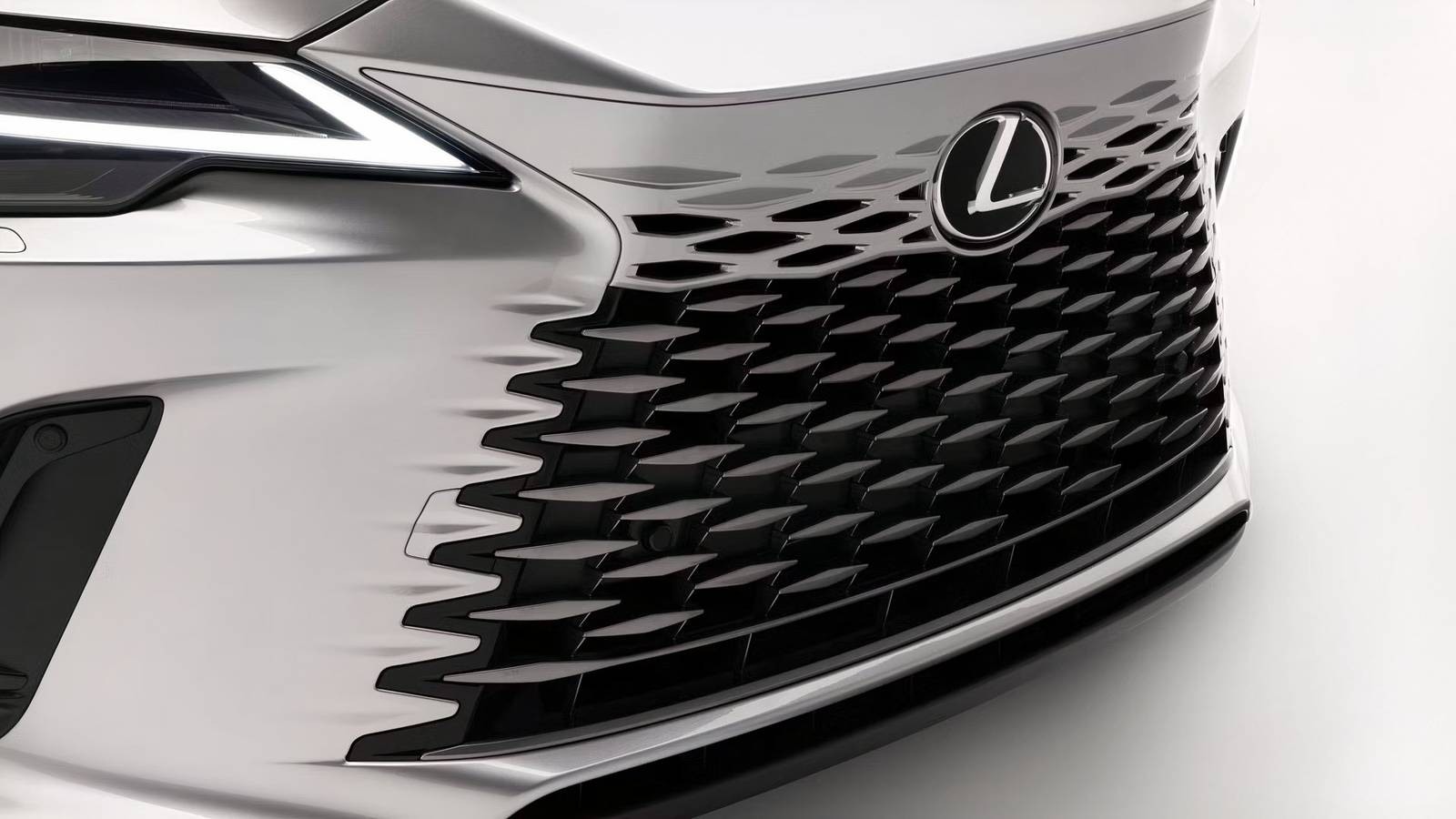
For buyers seeking a luxury crossover that holds its value, this vehicle might be the safest bet you’ll ever make. Specifically, the Lexus RX.
Why Reliability Matters More Than Horsepower
Marketing teams are paid to sell you speed. And screens. And leather that smells like a luxury hotel.
They rarely mention what happens in year five.
By then, the gloss fades. The technology lags. And you’re stuck paying dealer-horsepower prices for service at an independent shop.
That is why so many people look for luxury SUVs that hold value. They aren’t trying to be clever. They’re trying to not lose their shirt.
It’s not about being cheap. It’s about predictability.
When you buy a car like the Lexus RX, you’re buying into a decade-old philosophy. Focus on what actually breaks less. Focus on the parts that are shared with Toyota, the most reliable brand in existence.
“It’s one of the few cars where the biggest luxury feature is peace of mind.”
This isn’t just vibes. It’s math.
The Data: Lexus RX Resale and Reliability Numbers
Let’s look at the numbers, because emotions lie and marketing lies harder. Facts? Facts are boringly consistent.
According to Kelley Blue Book, the Lexus RX retains roughly 51.5% of its value after five years.
According to iSeeCars? Even higher. They peg the five-year retention at 67%.
Do you know what the average luxury SUV keeps after five years? Often less than 40%.
That is a massive difference in real dollars. On a $60,000 car, that’s a ten-to-fifteen-thousand-dollar variance in what you walk away with when it’s time to trade.
Then there is the repair bill.
J.D. Power gives the 2024 Lexus RX a 82 out of 100 for Quality & Predicted Reliability. It ranks at the very top of the luxury midsize class.
The average annual repair cost? $550.
Compare that to some German counterparts, which can easily double that number just by ignoring a check-engine light for too long.
Under the Hood: Efficiency Over Explosions
The 2025/2026 model lineup tells a simple story: Hybrid first, plug-in later. Performance exists, but comfort leads.
Here is what you get under the hood:
Lexus RX 350h
This is the volume seller. It uses a 2.5-liter engine paired with electric motors. You get 246 horsepower and 233 lb-ft of torque.
* Efficiency: Up to 37 MPG in the city, 34 on the highway.
* Transmission: CVT (designed for smoothness, not drama).
* Towing: Capable of pulling 3,500 pounds.
RX 350 (Non-Hybrid)
If you hate plugging in and don’t want to think about energy.
* Horsepower: 275.
* MPG: A decent 26 city/32 highway. It’s simple. It works.
RX 450h+ (Plug-In Hybrid)
Want to pretend you’re electric but still have a gas engine for long road trips? This is it.
* Horsepower: 304 combined.
* EV Range: 37 miles on an 18-kWh battery. Enough for the commute, some groceries, and silence in the neighborhood.
RX 500h (F Sport Performance)
This is where it gets interesting. It has a 2.4-liter twin-turbocharged four-cylinder and 366 horsepower.
* MPG: 27/28. You trade efficiency for grunt.
* Vibe: It’s sporty, but let’s be real—it’s not going to beat a Porsche Cayenne around a canyon.
The Cabin: Where Trends Fade
Interior design goes in and out like fashion week.
One year, every car has a giant vertical tablet. The next, everyone wants analog dials with tiny digital displays hidden in the cluster.
The Lexus approach is different. It ages like wine, not like milk.
You get materials that feel premium but not fragile. Ergonomics that don’t require a user manual. And tech that actually makes sense to use.
Space matters. Let’s look at the dimensions for the RX 500/350/350h:
- Front Headroom: 39.5 inches
- Front Legroom: 41.1 inches
- Front Shoulder Room: 58.1 inches
- Rear Headroom: 38.6 inches
- Rear Legroom: 37.4 inches
And for the stuff you haul?
* Cargo Space (Rear Up): 29.6 cubic feet.
* Cargo Space (Rear Down): 46.2 cubic feet.
Note that Lexus killed the tiny third row years ago. The Lexus TX now handles large families who actually need three rows. The RX? It stays compact. Tighter. More car-like.
If you don’t need to seat seven adults comfortably, you’ll actually appreciate the extra agility and easier parking that comes from being smaller.
What You’re Sacrificing (The Honest Take)
I’m not saying the RX is perfect. No car is.
If you are the type of driver who treats every stoplight as a drag strip start, the RX will bore you to tears.
It isn’t the BMW X5. It won’t carve turns like a Porsche Cayenne or an Audi RS Q8. The chassis is tuned for comfort. You feel bumps. You hear the road, albeit politely muted.
Is that a dealbreaker? For many buyers? Absolutely not.
Because let’s face it: how many times a year are you driving aggressively on winding roads? Probably once or twice during vacation. How many times do you drive to school drop-off, the grocery store, and the office every week? Hundreds.
Which drive matters more?
“Comfort isn’t boring. It’s the absence of stress.”
If you want raw handling engagement, look at the Germans or the British brands (Land Rover, Aston Martin). You will pay for it. In taxes. In maintenance. In depreciation.
Is It Worth The Premium?
This depends entirely on how long you plan to keep the car.
If you buy something to hold onto for a decade, the Lexus RX becomes arguably the best financial decision in the entire market.
Why? Because of Lexus ownership loyalty.
People don’t just buy a second RX. They upgrade to a different Lexus. Sometimes an NX. Sometimes an RX. They stay in the family because the transaction friction is low and the satisfaction is high.
Certified pre-owned models of the RX move fast. They are sought after. And that drives the market. A high supply of quality used units keeps demand strong. Which keeps your future trade-in value high.
It’s a cycle that works for the buyer, unlike brands that rely on gimmicky refresh cycles every three years.
The Verdict
There are plenty of flashy luxury SUVs. Some go faster. Some have bigger screens. Some sound like jet engines at idle.
But those cars rarely come up in conversation years later. The conversation usually shifts to “when can I afford the repairs?”
The Lexus RX sits quietly in the corner.
It offers 27-37 MPG. It has 51-67% five-year retained value. It has $550 average annual repair costs. And it provides 29 cubic feet of usable space.
It is the car you buy when you decide that your life is stressful enough without your car adding to it.
In a class filled with ego machines, the Lexus RX remains the one you buy without checking the financing spreadsheet three times. It just… doesn’t disappoint.