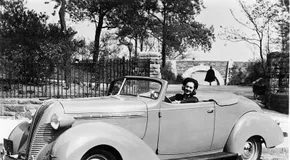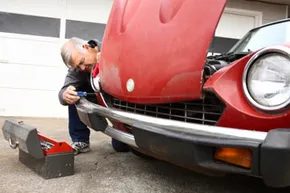
Restoring vintage automobiles is more than a pastime for millions. It is a legacy, a specific obsession, or just a way to turn heads on Sunday drives. Some folks inherit the wrench. Others hunt down a specific make. The goal varies. For some, it’s a permanent collection. For others, it’s the roar of the engine.
But here is the hard truth. Not every classic deserves a second life.
Before you buy that rusted shell, ask yourself what it needs to be. Does it need to parade? A weekend cruiser? Or do you just love the grind of rebuilding an engine? Maybe you want to flip it for profit. The answer dictates the budget. It dictates the plan. Without a clear endpoint, you are just spending money. And money is the first thing to vanish in a “money pit.”
Success requires a plan. A real budget. Not a wish list. You need to know how your specific model runs before you start stripping it down. You need to know where to find OEM parts. If you skip the prep work, you will hit disaster. Many projects die because the owner couldn’t stick to the plan. They get sucked into the hole.
The only absolute requirements for a project car are that the frame and engine block be free enough from damage that success is possible.
Warning Signs That a Classic Car Project Will Fail
Most enthusiasts aren’t machinists. We don’t love soldering or complex metalworking for its own sake. We want a beautiful machine with a purring engine. We want to see the paint shine. This means we avoid the things we can’t fix.
For the average hobbyist, there are two non-negotiables. The frame. The engine block. If either is compromised, walk away.
A bent frame is a total loss. You can’t fix a twisted undercarriage without expensive specialized equipment. And a cracked engine block? That is the sound of your stomach dropping. Steel is strong. It is not easy to repair. Warping a frame or destroying an engine creates damage most of us are not equipped to fight.
Rust is the silent killer. Outer panels can look okay on the surface. Inside? It might be gone. You won’t know until you take it apart. Check the floor pans. Check the wheel wells. Don’t assume anything.
Sellers know what they have. They know what’s wrong. They are waiting for you to make a mistake. Protect your investment. You are the one paying for repairs. You are the one paying for insurance. Do not let pride force you into a failed project.
There is a difference between frustration and failure. Frustration happens. It will look brighter in the morning. But sometimes, the project is just bad. Don’t let an inability to accept defeat waste your time. Recognize when to walk away.
Check the links on the next page for more details.