Touring bikes used to be simple. Now? You drown in choices. Big fairings. Screens the size of tablets. Engines that eat miles like popcorn. Then you have the bare-bones cruisers. Lightweight. Fast off the line. Useless on the interstate after hour two.
Somewhere in the middle sits a ghost. A bike that doesn’t shout. It just works.
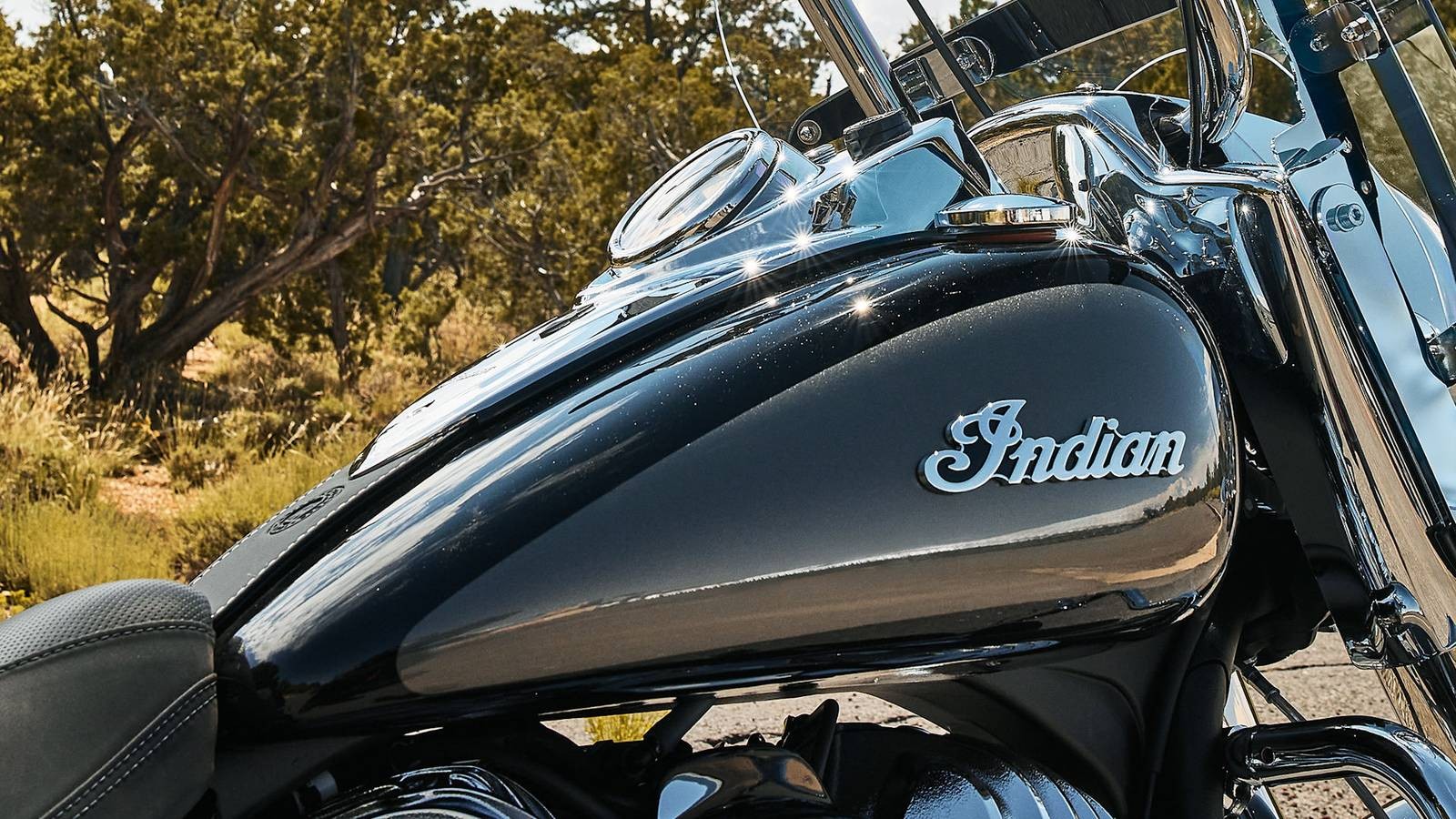
Finding the Indian Springfield feels less like picking a spec sheet and more like finding the one pair of jeans that actually fit. It doesn’t try to be everything. It tries to be the thing you need when the highway stretches out for another four hours.
Why Feature-Laden Flagships Miss The Point
We need to talk about the big guns first. The Indian Roadmaster is a beast. It shields you from hail if you want. It carries more gear than a moving truck. It has screens, speakers, the works.
Do you need it? Probably not.
The Roadmaster screams “full-dress tourer.” That’s fine. If you cross borders weekly, buy it. But most riders just want a weekend away. They don’t want a cockpit. They want a bike.
On the flip side, look at the Indian Sport Chief. It’s got a V-twin. It’s got bags. It’s lighter.
But wind protection? Modest. Storage? Compact. Once the sun goes down and the cold hits, you start paying attention to what’s missing.
So where do we live? We live in the gap. We live with the Springfield.
What Makes The Indian Springfield Unique In Indian’s Lineup
The Indian Springfield isn’t flashy. It’s competent. It bridges the chasm between the heavy-duty Roadmaster and the stripped Sport Chief by doing the boring stuff well.
Here’s what actually matters when you’re riding 60 miles an hour for five hours straight:
- Wind protection that works without isolating you completely.
- Luggage you don’t have to baby.
- An engine that breathes easy at highway RPMs.
- A chassis that doesn’t want to drift every time you glance in the mirror.
The Springfield has all four. It rejects the modern trend of infotainment bloat. No big touchscreen. No audio system built into the fairing. You plug in earbuds. You point the nose at the horizon. You go.
It’s refreshing, isn’t it?
How The Thunderstroke Engine Delivers Touring Torque
Power isn’t about redline drama on a tourer. It’s about roll. It’s about merging onto traffic without feeling like your bike is choking.
Indian puts their Thunderstroke 116 air-cooled V-twin in the Springfield.
That’s 116 cubic inches of displacement. 126 lb-ft of torque. It’s heavy. It’s slow-revving. And it’s exactly what you want. The engine hums at cruising speed. When you twist the wrist for an overtake, it pulls without straining. It doesn’t feel frantic. It feels inevitable.
The cooling fins on the heads aren’t just for show, either. They’re a nod to old Indian flatheads. It looks right. It acts modern. Reliability is solid. You aren’t pushing a prototype. You’re riding a tool.
Technology keeps it simple, too.
Standard ABS. Selectable ride modes. Tire pressure monitoring. Keyless ignition. These aren’t gimmicks. They prevent bad days. ABS stops you from flipping. Tire monitoring stops you from blowing a bead in the middle of nowhere. Keyless means you don’t lose the key fob every time you grab coffee.
But no menus to navigate while stopping at a light. Just go.
Which Version Fits Your Riding Style And Budget?
You have choices here. Good choices. Not overwhelming ones.
The standard Indian Springfield starts at $23,999. You get the side cases. You get the quick-release windshield. It comes in Sunset Red/Silver or Nara Bronze. It’s the sensible buy. The do-it-all option.
Want something meaner?
Check out the Springfield Dark Horse. It costs $24,999 for the blacked-out version. White option runs $25,749. It looks aggressive. Gunfighter seats. Smaller cases. Black everything.
But here’s the catch: no windshield.
The Dark Horse sacrifices wind protection for attitude. If you’re solo and stay on the flat roads, it’s cool. If you plan to cross states with a passenger, that lack of front shielding adds up to shoulder pain by mile fifty. The standard Springfield remains the better touring machine.
How The Springfield Compares To Harley-Rivals
This is where the money talk happens. Who are you really fighting in this segment?
Harley-Davidson Road King Special ($24,999)
It’s direct. It’s built on a touring frame like the Springfield. It uses the Milwaukee-Eight 107 V-twin making 122 lb-ft. Wait—107? The specs say M8, but torque is slightly lower. The newer Harleys have moved to 109/114 variants in other models. This one is older tech.
The Road King looks like a bagger. Stretching those bags. Cool lines. But it has no factory windshield. None.
It’s essentially the Springfield’s Dark Horse rival, not its direct counterpart. You can add glass aftermarket. Sure. But stock vs stock, the Springfield gives you wind protection for the same price. The Road King relies on your arms to block the air.
Harley-Davidson Heritage Classic ($19,999)
Cheaper. Lighter. Much lighter. The Heritage is a Softail cruiser. Over 100 lbs lighter than the Springfield. It has the M8 V-twin (107 ci, 120 lb-ft). It has a windscreen. Valenced fenders. Saddlebags.
It’s easier to park. Easier to tip-over recover if you mess up in the lot. But is it a tourer? Barely. The suspension setup on the Softail chassis isn’t designed for carrying a passenger and two bags down I-80 for a day. You’ll feel the difference in the back half of the bike.
The Springfield weighs more. It feels planted. It handles load with its air-adjustable rear suspension. You twist a dial on the shock. You add air pressure for a pillion. You reduce it when solo. It adapts.
Why Practicality Beats Luxury In Long-Haul Riding
Let’s be honest about the riding experience.
The Springfield’s quick-release screen is magic. Keep it on for the interstate. Take the edge off. Keep fatigue at bay. Rip it off in ten minutes for the canyon twisties or the local diner parking. Two personalities in one machine.
The hard bags hold 17 gallons. That’s a weekend’s worth. Remote locking keeps things safe. Keyless start keeps hands free.
And the size?
It’s narrower than the Roadmaster. It’s heavier than the Sport Chief, but lighter than the full-dressers. Navigating a gas station pump is actually possible without sweeping a wing mirror off someone else’s car. Fred Flintstone-walking it into a spot isn’t a chore.
The price point of $23,99 undercuts the full-size competitors. You aren’t spending flagship money for flagship problems.
Is The Springfield Right For Your Next Adventure?
Maybe you want the bling. Maybe you want the screen that calls your phone. That’s fine.
But if you ride? Really ride?
The Indian Springfield does the math better. It balances comfort. It respects the physics of wind. It offers torque when you need it. It sheds weight when you park it.
It doesn’t try to win a spec war. It tries to win your Saturday morning.
It’s not the biggest bike in the showroom. It’s not the fastest. But it’s the one you don’t think about twice. You just get on. You leave the compromises in the lot. You roll on.
“Getting the fundamentals right is more valuable than adding more features.”
Sounds corporate, right? Doesn’t matter. It’s true.
The Springfield sits in Indian’s lineup quietly. Waiting for the riders who know that miles eat features. And only care about what stays when the novelty fades.