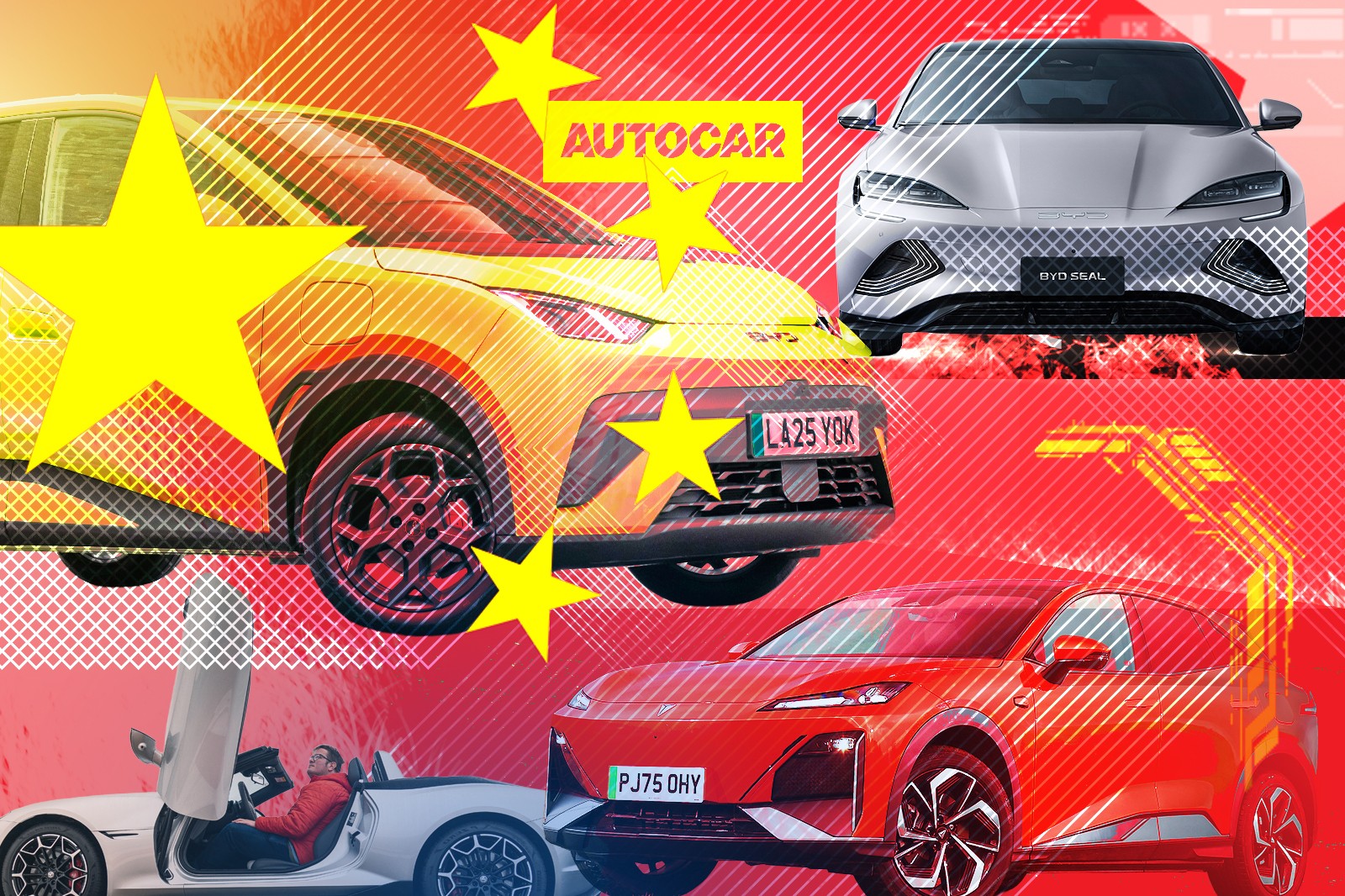
Twenty-five years ago, the idea of a competitive Chinese car was laughable. The Lubao CA6410, a Frankensteinian mashup of Austin and Toyota parts, embodied Beijing’s early automotive ambitions – more held together by hope than engineering. Today, that joke is over. China has become a major automotive force, not just on price, but on genuine quality and innovation, particularly in electric vehicles.
This isn’t simply about cheaper cars; it’s a systemic shift. Two decades of aggressive economic expansion, combined with a relentless focus on electrification, have transformed China from a copycat manufacturer into a serious contender. The industry has moved past the era of questionable crash ratings and into one where Chinese-made vehicles are rivalling established European, Japanese, and Korean brands in terms of interior quality, driving dynamics, and technology. The days of the “supermarket own-brand digestive” are over; China is now offering a premium experience at competitive prices.
The following list details some of the most compelling examples of this transformation, each representing a different facet of China’s automotive prowess.
Changan Deepal S07: The All-Rounder
The Deepal S07 from Changan, China’s oldest domestic car maker, demonstrates how far the industry has come. Designed in Turin and refined in Birmingham, this mid-sized electric crossover competes directly with the Tesla Model Y and Skoda Enyaq. Its 215bhp motor delivers a respectable 0-62mph in 7.9 seconds, but it’s the chassis that stands out. The ride comfort, handling, and overall refinement are genuinely impressive, especially considering the price point. The interior features a 15.6-inch pivoting infotainment screen and a customizable shortcut bar for intuitive control. While its 240-mile range and 445-liter boot are average, the Deepal S07 offers a well-rounded package that challenges established players.
Xpeng G6: The Tech-Forward Contender
Xpeng, a tech entrepreneur-led startup, has shaken up the EV market with the G6. Designed as a direct competitor to the Tesla Model Y, the G6 boasts a Qualcomm-powered touchscreen, high-quality interior materials, and a spacious cabin. Power options include 254bhp and 281bhp, with the lower-powered version offering the best balance of performance and efficiency. The G6 delivers a slick user experience and good value, making it a serious alternative to Silicon Valley’s best seller.
BYD Dolphin Surf: The Urban Pioneer
The BYD Dolphin Surf is a small electric crossover that feels more mature than its rivals like the Dacia Spring. With a choice of 30kWh or 43.2kWh batteries offering ranges of 137 and 200 miles respectively, it provides good value for money. The interior quality is noticeably better than the Spring, and the rotating touchscreen adds a touch of innovation. The ride comfort is absorbent, making it ideal for city driving.
MG 4 EV: The Game Changer
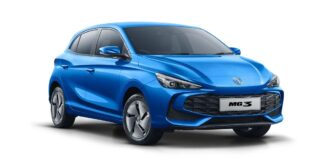
MG has redefined itself with the 4 EV, shifting from a builder of cheap transportation to a manufacturer of note. The rear-wheel-drive platform delivers genuinely good fun, with strong brakes and agile handling. The interior is sensible and well-laid out, and the efficiency is impressive. Even the high-performance XPower version, with 429bhp, offers incredible value for money.
MG HS: The PHEV Success Story
The MG HS has become a commercial success in the UK, offering a compelling blend of value and practicality. The plug-in hybrid model boasts a near-25kWh battery and 75 miles of electric range for just over £30,000. The ride quality is refined, and the civility of electric driving at low speeds is noteworthy.
BYD Dolphin: The Supermini Standout
The BYD Dolphin competes with the Vauxhall Corsa Electric and Volkswagen ID 3 but at a lower price point. The entry-level version offers a 94bhp motor and 211 miles of range, while higher trims provide up to 201bhp and 265 miles. The interior is spacious, and the four-year warranty provides peace of mind.
MG Cyberster: The Supercar Aspirant
The MG Cyberster, designed in the UK to celebrate the brand’s 100th anniversary, makes a bold statement with its supercar-inspired looks. The standard model delivers 335bhp, while the dual-motor GT version boasts 503bhp. The rear-wheel-drive model offers a lighter, more agile driving experience.
BYD Atto 3: The Gimmick-Packed Crossover
The BYD Atto 3 introduced BYD to the UK market with attention-grabbing features like a rotating touchscreen and in-door guitar strings. Beyond the gimmicks, it’s a spacious, well-thought-out electric crossover with a realistic 200-mile range and an eight-year battery warranty.
MG ZS: The Value King
The MG ZS continues to offer exceptional value, with a 1.5-liter petrol engine or a hybrid powertrain capable of nearly 60mpg. The hybrid version combines a 101bhp engine with a 134bhp electric motor, delivering a seamless and efficient driving experience.
BYD Seal: The Premium Challenger
The BYD Seal signals a shift towards a more upmarket image for the brand. This rear-wheel-drive saloon boasts up to 523bhp in dual-motor versions, offering impressive acceleration and a pillowy-soft ride at highway speeds. The Seal is a serious contender in the electric saloon segment.
In conclusion: The Chinese automotive industry has undergone a dramatic transformation, evolving from a source of jokes to a legitimate threat to established manufacturers. The combination of aggressive pricing, rapid technological advancements, and a relentless focus on electric vehicles has positioned China as a key player in the global automotive landscape. This isn’t just about cheaper cars; it’s about a fundamental shift in the industry’s power dynamics.