Stellantis is accelerating its strategy to merge European automotive heritage with Chinese electric vehicle (EV) efficiency. The group has confirmed that Opel’s upcoming electric compact SUV will be built on technology provided by its partner, Leapmotor. This move coincides with significant workforce reductions at Opel’s engineering hub in Germany, signaling a fundamental shift in how the company develops its future vehicles.
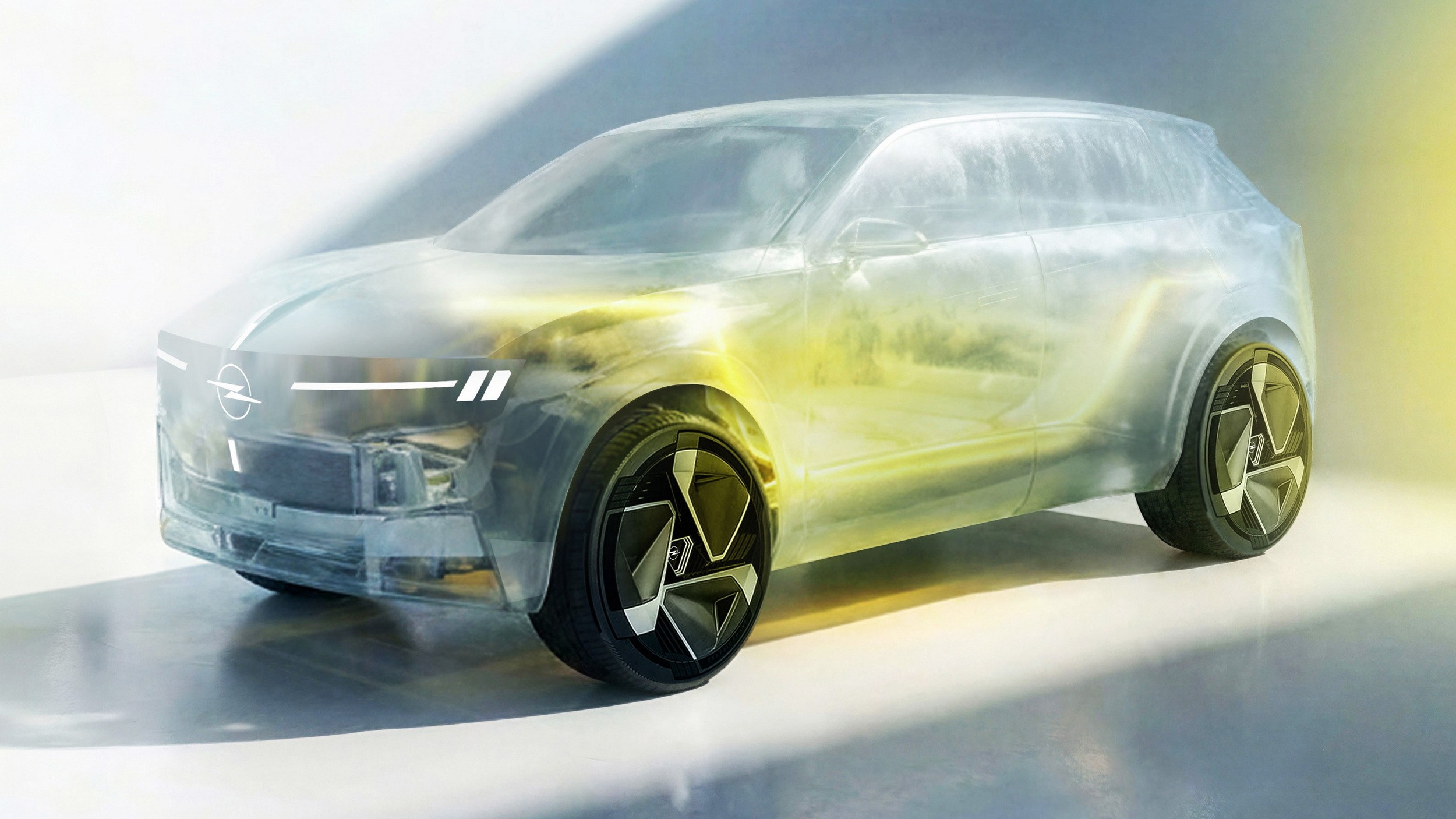
The new crossover, targeted for a 2028 launch, represents a pragmatic approach to the fierce competition in Europe’s C-SUV segment. By leveraging Leapmotor’s core architecture and battery technology, Stellantis aims to reduce development time and costs while maintaining Opel’s design identity.
A Hybrid Development Model
The yet-unnamed Opel SUV will not be a mere rebadge of an existing Chinese model. Instead, it will be a collaborative effort between teams in Germany and China.
- Opel’s Role: The Russelsheim design team is handling the exterior styling, ensuring the vehicle aligns with Opel’s current visual language, including the signature “Vizor” front face and integrated LED lighting. Opel engineers are also contributing to chassis tuning, lighting technology, and seating comfort.
- Leapmotor’s Role: The Chinese partner provides the underlying electric architecture, battery systems, and core powertrain components.
Opel CEO Florian Huettl described the project as a vehicle “developed by international teams,” emphasizing that the integration of Leapmotor’s latest technology will allow for a rapid two-year development cycle from start to showroom.
Production and Platform Details
Production of the new Opel EV will take place at the Figueruelas plant in Zaragoza, Spain, beginning in 2028. This facility already produces the Opel Corsa, Peugeot e-208, Lancia Ypsilon, and the Leapmotor B10.
The new Opel SUV is widely expected to be based on the Leapmotor B10, a model that has already entered the European market. Key specifications of the B10 include:
- Dimensions: 4,515 mm (177.8 inches) long, positioning it between the Opel Frontera and Grandland.
- Powertrain: A single electric motor producing 215 hp (160 kW).
- Battery Options: Two sizes (56.2 kWh and 67.1 kWh), offering a range of up to 434 km (270 miles).
- Range Extender: An optional powertrain configuration that extends total range to approximately 900 km (559 miles).
While the EU-spec version may differ slightly from the Chinese-market B10 due to rigorous testing at Italy’s Balocco proving ground, the core technology remains the same. Stellantis has stated that this collaboration serves as a “blueprint for efficient global collaboration,” suggesting that other Stellantis brands may follow suit.
The Cost of Transformation: Job Cuts in Russelsheim
The decision to outsource core EV technology comes amidst a dramatic restructuring of Opel’s engineering capabilities. Stellantis recently announced the elimination of 650 engineering jobs at Opel’s historic headquarters in Russelsheim.
This reduction shrinks the technical staff at the site to approximately 1,000 people, a stark contrast to the over 7,700 engineers employed there in 2017. The remaining workforce will focus on specialized areas such as:
- Artificial Intelligence (AI)
- Software development
- Advanced Driver-Assistance Systems (ADAS)
- Battery technology
- Digital lighting systems
By shifting core EV development to Leapmotor, Stellantis significantly reduces R&D expenses and accelerates time-to-market. This strategy allows the company to offer competitive pricing without bearing the full cost of developing new electric platforms from scratch.
Market Strategy: Affordability and Competition
The primary goal of this partnership is affordability. The Leapmotor B10 is currently priced from €29,900 (approx. $35,100) in markets like Germany, France, and Spain. This price point undercuts key rivals, such as the Skoda Elroq, by roughly €4,000.
Stellantis promises that the Opel version will also be an “accessible” electric vehicle. The use of Leapmotor-sourced components is intended to “significantly enhance affordability for European customers,” allowing Opel to compete more effectively against established players like Volkswagen and Skoda in the mass-market EV segment.
Why This Matters
This partnership highlights a broader trend in the global auto industry: the decoupling of brand identity from core technology.
For decades, European automakers prided themselves on vertical integration—designing, engineering, and building every component in-house. However, the rapid pace of EV adoption and the dominance of Chinese manufacturers in battery and platform technology have forced a rethink.
- Speed to Market: Developing a new EV platform from scratch can take five to seven years. Using a proven partner platform cuts this time in half.
- Cost Efficiency: R&D costs for EVs are astronomical. Sharing platforms spreads these costs across multiple brands and partners.
- Strategic Realignment: Stellantis is moving away from being a traditional manufacturer to becoming a brand manager and integrator of global technology.
The success of the LPMI (Leapmotor International) joint venture, which has sold 40,000 units in 2025 and expanded into South America, Asia-Pacific, and Africa, validates this approach. With the Opel SUV serving as the next step, Stellantis is betting that consumers care more about price, design, and range than where the underlying technology originated.
“The new vehicle is intended to serve as a blueprint for efficient global collaboration,” Stellantis stated, indicating that this model will likely influence future product strategies across the group.
In conclusion, the new Opel EV marks a pivotal moment for the brand. It is a clear signal that the future of European carmaking lies in strategic partnerships and global efficiency, rather than isolated national development. While this shift brings job losses and questions about sovereignty, it may be the only way for legacy automakers to survive the transition to electric mobility.