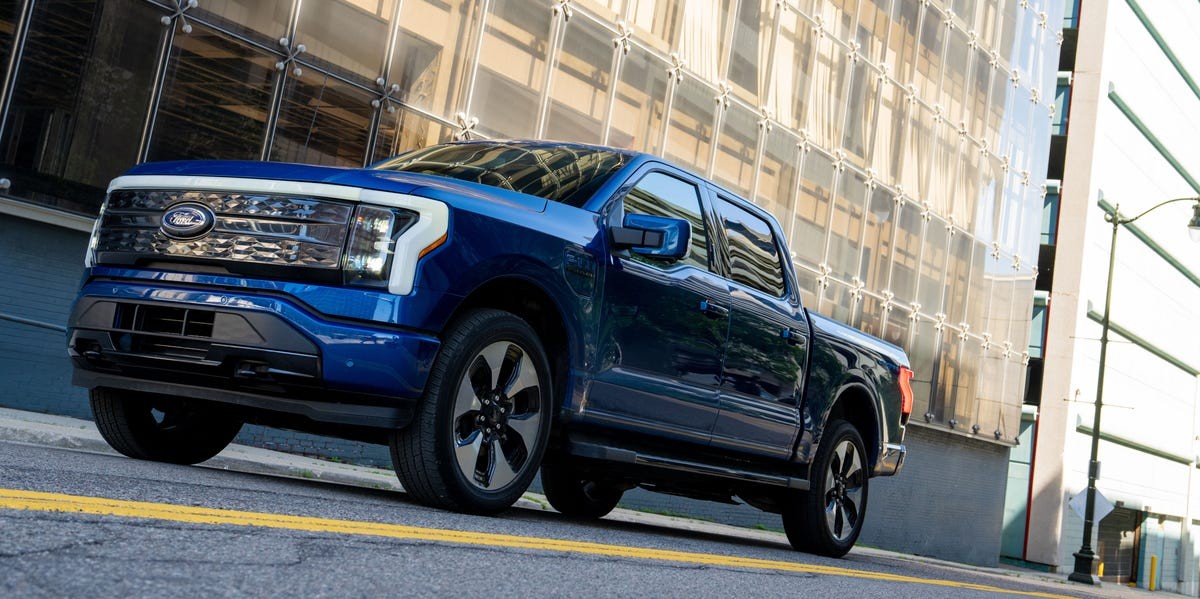
Ford is recalling 272,645 vehicles – including its popular F-150 Lightning, Mustang Mach-E, and Maverick Hybrid models – due to a defect that could prevent them from securely shifting into park, potentially leading to unintended vehicle movement. The issue affects model years 2022-2026 for the F-150 Lightning, 2024-2026 for the Mustang Mach-E, and 2025-2026 for the Maverick Hybrid.
The Problem: A Faulty Park Lock
The root cause is a potential malfunction in the vehicle’s integrated park module (IPM). In certain scenarios, the IPM’s internal mechanism can bind, preventing the transmission from fully engaging in the park position. This means the vehicle might not stay securely in park even when the driver believes it has been shifted correctly.
Symptoms include the absence of an illuminated park gear indicator on the dashboard, coupled with warning lights and shift system fault messages. The most critical risk is that without the parking brake engaged, the vehicle could roll away.
How Ford is Fixing It
The fix is being delivered through an over-the-air (OTA) software update. Ford expects the update to resolve the issue by correcting the park lock mechanism’s behavior. Owners have two options: wait for the OTA update to deploy or take their vehicle to a Ford or Lincoln dealer for immediate installation of the software patch, free of charge.
Dealers will be informed of the recall by January 26, 2026, and owners will receive notification via mail by May 12, 2026.
Why This Matters
This recall highlights the growing reliance on software in modern vehicles – and the potential consequences when that software fails. Though Ford reports no accidents or injuries related to this defect yet, the risk of rollaway is serious. The incident also underscores the importance of regularly checking for and applying vehicle software updates, as they can address critical safety issues.
“This recall demonstrates the increasing complexity of modern vehicles and the need for both manufacturers and owners to stay vigilant about safety updates. While OTA updates are convenient, they also place a greater responsibility on consumers to ensure their vehicles receive timely fixes.”
Ford has faced several recalls in recent years, indicating a need for stricter quality control measures to prevent defects from reaching production vehicles. The company will continue to address the issue through both software updates and dealer support.