For many drivers, the transition to fully electric vehicles (EVs) feels premature. Whether due to “range anxiety,” a lack of charging infrastructure, or simply a preference for the convenience of gas stations, a massive segment of the market remains committed to internal combustion. However, these drivers still demand modern efficiency.
While manufacturers have pivoted toward smaller, turbocharged four-cylinder engines to meet this demand, most SUVs still struggle with a fundamental conflict: the very traits that make a vehicle an “SUV”—size, weight, and ruggedness—are the exact traits that kill fuel economy.
The Physics of the SUV Struggle
Achieving high MPG in an SUV is a battle against physics. Several systemic factors typically drag efficiency down:
- Curb Weight: Moving a 5,000-pound vehicle requires significantly more energy than a 3,000-pound compact car.
- Aerodynamics: Most SUVs have a high drag coefficient (typically between 0.30 and 0.35), meaning they must work harder to push through the air.
- Mechanical Friction: All-wheel-drive (AWD) systems add weight and mechanical complexity, increasing energy loss.
- Luxury vs. Utility: The consumer expectation for premium interiors often leads to heavier materials and more electronic components, further increasing weight.
The Kia Niro: A Masterclass in Optimization
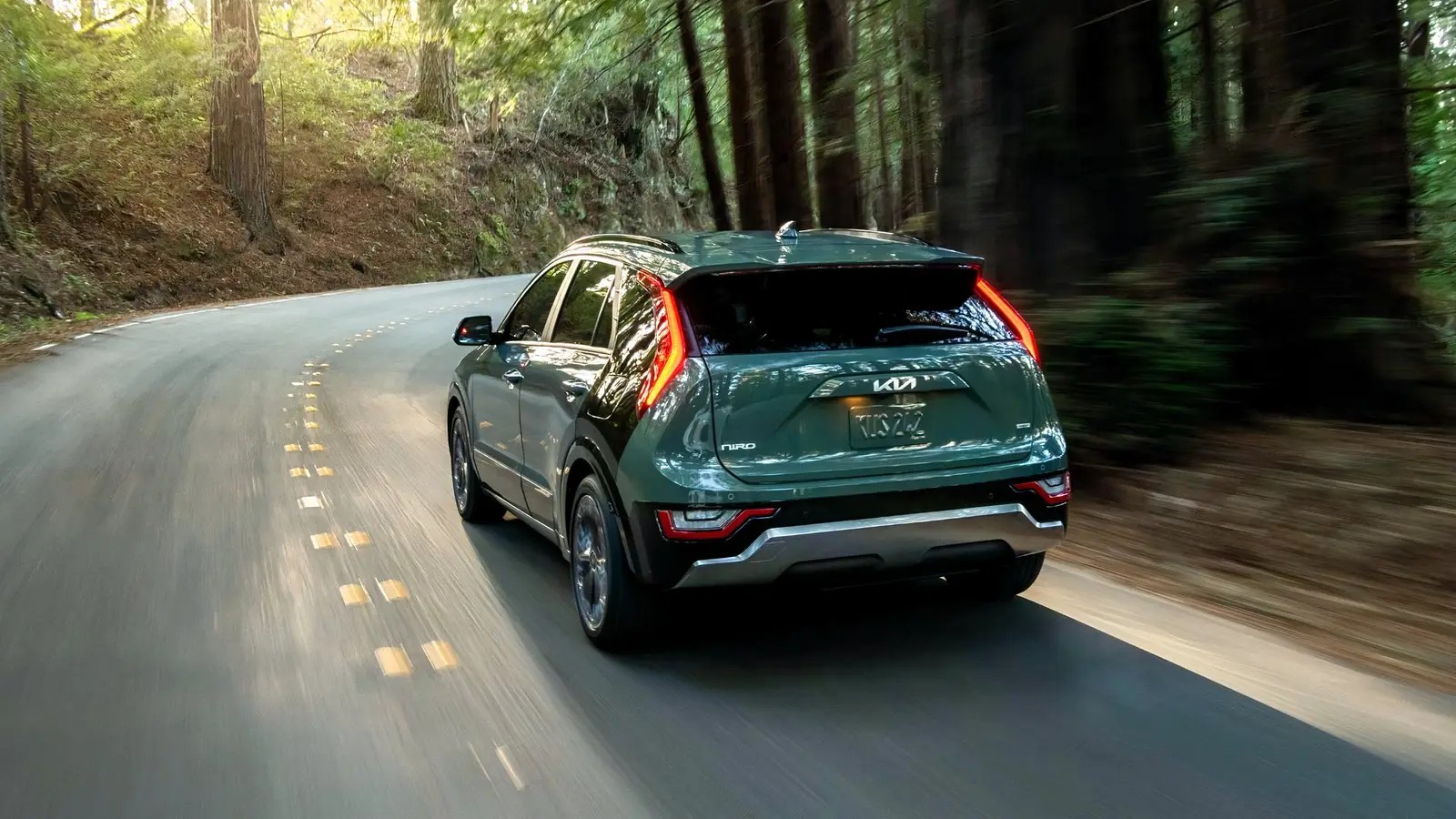
The 2026 Kia Niro approaches the SUV segment differently. Rather than trying to be a rugged off-roader or a luxury cruiser, Kia has engineered the Niro to be a specialist in one area: extreme efficiency.
By discontinuing the Niro EV to focus on a dedicated premium electric line, Kia has positioned the standard Niro as a pure hybrid—a vehicle designed to maximize every drop of fuel without the need for a plug.
Engineering the Efficiency
The Niro’s impressive numbers aren’t accidental; they are the result of specific mechanical choices:
* High-Efficiency Powertrain: A 1.6-liter engine utilizing a high compression ratio (14:1) and high-pressure fuel injection ensures maximum thermal efficiency.
* The Dual-Clutch Advantage: Unlike many hybrids that use a Continuously Variable Transmission (CVT)—which can lose energy through heat—the Niro uses a dual-clutch transmission. This provides a more direct, physical transfer of power, reducing energy waste.
* Aerodynamic Shape: The Niro boasts a drag coefficient of just 0.282, significantly lower than the Toyota RAV4 (0.320) or the Honda CR-V (0.330).
How It Compares: The Numbers
When placed against the industry’s heavyweights, the Niro’s efficiency gap becomes clear. While the Toyota RAV4 and Honda CR-V are highly respected for their reliability and versatility, they cannot match the Niro’s frugality.
| Feature | Kia Niro (2026) | Competitors (Typical) |
|---|---|---|
| Combined MPG | ~53 MPG | ~40–44 MPG |
| Drag Coefficient | 0.282 | 0.320 – 0.330 |
| Drivetrain | Front-Wheel Drive (FWD) | Often AWD |
| Weight | ~700 lbs lighter than RAV4 | Heavier/More Robust |
The Trade-off: What You Give Up for Efficiency
The Niro’s dominance in fuel economy comes at a cost. By optimizing for efficiency, Kia has made specific compromises that may alienate “purist” SUV buyers:
- Capability: The Niro is strictly Front-Wheel Drive (FWD). It lacks the off-road potential of an AWD RAV4.
- Utility: Towing capacity is limited to 1,300 pounds, whereas a RAV4 can handle up to 2,500 pounds.
- Presence: To achieve its aerodynamic profile, the Niro lacks the boxy, “tough” aesthetic many buyers associate with SUVs.
- Power: With less horsepower than its rivals, it isn’t a performance vehicle. However, due to its low weight and responsive dual-clutch gearbox, its real-world driving feel remains competent for daily commuting.
Verdict: Who is the Niro for?
The 2026 Kia Niro is not a “do-it-all” vehicle. If you require a rugged machine for camping, towing, or snowy mountain passes, you will likely find it lacking.
However, for the commuter who wants the elevated seating position of an SUV but the fuel economy of a compact sedan, the Niro is unmatched. With a competitive starting price of approximately $27,000 and a strong projected residual value, it is a calculated, high-value choice for the efficiency-minded driver.
Conclusion: The Kia Niro proves that by sacrificing ruggedness and “status” styling, a manufacturer can break the efficiency ceiling of the SUV segment, offering a specialized tool for a highly specific, growing market of fuel-conscious drivers.