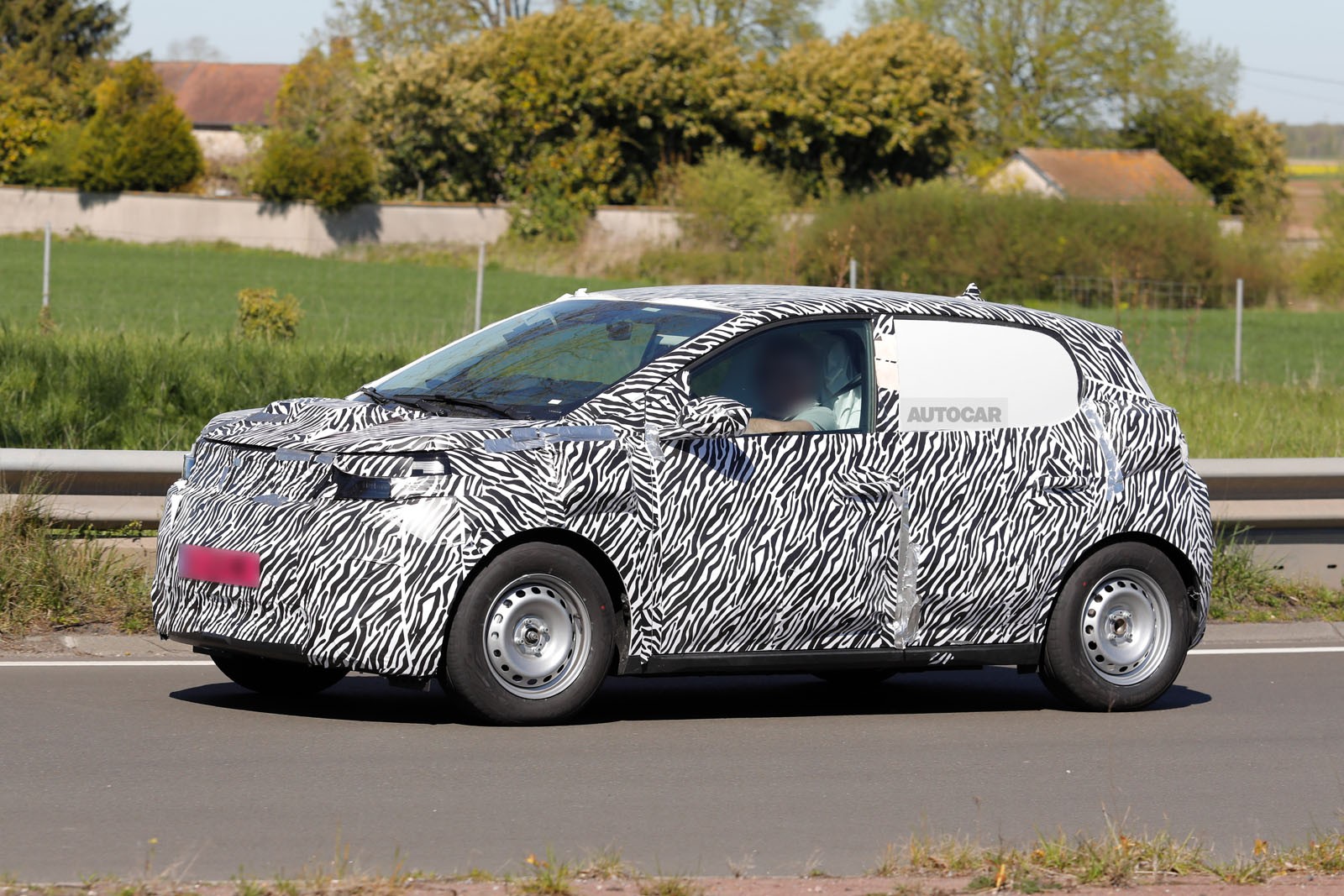
Dacia is moving aggressively into the electric vehicle (EV) market, with its latest prototype—a compact city car priced under £16,000 —recently spotted during road testing. This model marks the first of four planned electric launches the brand intends to roll out by 2030, signaling a major shift in Dacia’s strategy toward electrification without sacrificing its core identity of affordability.
Design and Shared DNA
While the new model shares a platform with the Renault Twingo, it is not a mere badge-engineered clone. The two vehicles share a similar silhouette, featuring a curved roofline, raked C-pillars, and rounded rear windows. However, Dacia has applied its own distinct design language to differentiate the car:
- Front Profile: It replaces the Twingo’s rounded headlights with a sleek, thin gloss-black panel, mirroring the aesthetic of the Dacia Spring.
- Rear Styling: The car lacks the Twingo’s signature window shroud and features higher-set brake lights.
- Dimensions: According to Dacia product lead Patrice Lévy-Bencheton, the new model will be slightly larger and wider than the Twingo, drawing more design inspiration from Dacia’s popular SUV lineup.
Performance and Pricing Strategy
Although official technical specifications remain under wraps, industry expectations suggest the car will closely follow the Twingo’s mechanical blueprint. This likely includes:
- Battery Capacity: Approximately 27.5kWh.
- Estimated Range: Just over 160 miles.
- Market Positioning: A starting price of less than €18,000 (£15,600).
By pricing the vehicle significantly lower than the Renault Twingo, Dacia is positioning itself to capture the budget-conscious segment of the EV market, potentially becoming one of the most affordable electric options available in Europe.
The Road to 2030: A Multi-Energy Future
The debut of this city car is only the beginning of a broader electrification roadmap. Dacia has committed to launching three additional EVs over the next four years. A key highlight of this plan is the next-generation Sandero, which will utilize Renault’s CMF-B platform.
This platform is critical because it offers “multi-energy” flexibility, meaning the Sandero can be produced as a pure combustion, hybrid, or fully electric vehicle. This approach allows Dacia to maintain its reputation as a “value-for-money benchmark” while transitioning its fleet.
Why this matters: Dacia is navigating a difficult transition. As European regulations tighten around emissions, manufacturers must move toward EVs. However, there is a massive gap in the market for low-cost electric transport. Dacia’s strategy of using flexible platforms and shared components is a direct attempt to bridge the gap between traditional budget motoring and the expensive reality of the current EV market.
Looking Ahead
Dacia is not abandoning internal combustion entirely; instead, it is scaling up its hybrid offerings. Currently, hybrids make up about 25% of Dacia’s sales, but the company aims to increase that figure to two-thirds in the near future.
The new electric city car is expected to be officially revealed later this year, with a full public debut scheduled for the Paris Motor Show in October.
Conclusion
Dacia is positioning itself as a key player in the democratization of electric mobility by focusing on high-value, low-cost EVs. Through shared platforms and a multi-energy approach, the brand aims to lead the transition toward affordable electric transport by 2030.