The Australian Government has announced a comprehensive $10.7 billion investment to bolster the nation’s fuel security, a move designed to insulate the economy from global supply shocks and domestic refining vulnerabilities. Scheduled for inclusion in the 2026-27 Federal Budget, this package represents a significant strategic shift, aiming to transform Australia’s approach to energy resilience after recent severe disruptions caused by geopolitical tensions in the Middle East.
The Core Investment: Storage and Sovereignty
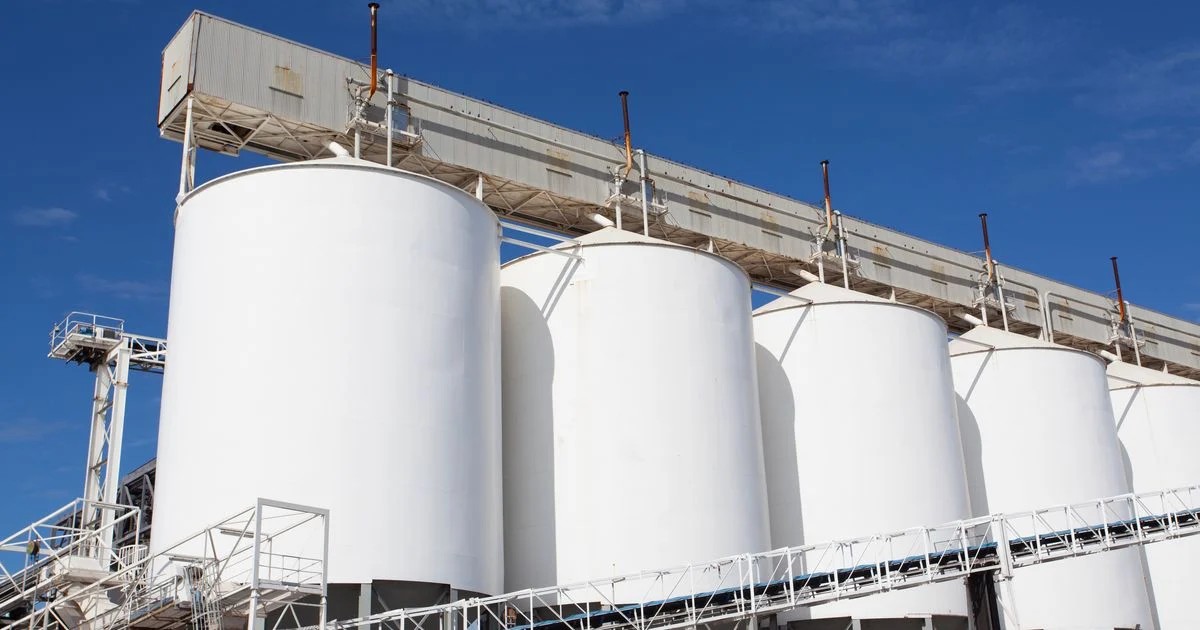
At the heart of the new strategy is the creation of the Australian Fuel Security Reserve, a government-owned entity backed by $3.2 billion. This reserve will hold approximately one billion litres of diesel and aviation fuel, effectively acting as a national buffer against future shortages.
To support private sector expansion, an additional $7.5 billion will fund the Fuel and Fertiliser Security Facility. This facility will provide loans, guarantees, and other financial instruments to encourage the construction of new storage infrastructure and the expansion of fertiliser supplies.
Key Goal: The government aims to raise the Minimum Stockholding Obligation (MSO) for critical fuels by approximately 10 days, pushing national reserves from their current levels to a target of 50 days of supply.
Why This Matters: The “90-Day Gap”
While Australia’s fuel stocks have seen slight improvements—rising from 38 days for petrol and 32 days for diesel in late 2025 to 43 and 33 days respectively by April 2026—the nation remains an outlier on the global stage.
As a member of the International Energy Agency (IEA), Australia is required to maintain oil stock levels equivalent to at least 90 days of net imports. Since 2012, Australia has been the only IEA member failing to meet this benchmark. In contrast, countries like Japan maintain reserves exceeding 250 days. This discrepancy highlights a critical vulnerability: despite being a resource-rich nation, Australia is heavily dependent on imported oil and possesses only two operational refineries (in Brisbane and Geelong), one of which recently suffered a fire.
Context: From Panic to Policy
The urgency of this investment stems from the crisis triggered in February 2026 when Iran blocked the Strait of Hormuz. This geopolitical flashpoint caused immediate price spikes and widespread panic buying, leaving hundreds of service stations dry. The government’s response has been multi-faceted, combining short-term relief with long-term structural changes:
- Excise Cuts: From April 1, 2026, the federal fuel excise was halved from 52.6 cents to 26.3 cents per litre for three months.
- State Support: State and territory governments supplemented this by discounting fuel by an additional 5.7 cents per litre, funded through GST revenue adjustments.
- Regulatory Flexibility: Fuel quality standards were temporarily relaxed, allowing for higher sulfur levels in petrol and lower flashpoints for diesel. This adjustment unlocked approximately 100 million litres of additional monthly supply.
- Logistical Relief: The heavy vehicle road user charge was suspended for three months for vehicles over 4.5 tonnes to reduce transport costs.
Political Debate and Future Challenges
The announcement has sparked intense political debate. The federal opposition has criticized the government’s previous inaction, arguing that the current measures are reactive rather than proactive. Key opposition demands include:
- Designating the Taroom Trough petroleum exploration area in Queensland as a National Strategic Priority Project.
- Abolishing the Safeguard Mechanism, which imposes emissions caps on heavy industry. The opposition argues this policy could cost the remaining refineries $165 million by 2029-30, potentially jeopardizing their viability.
- Increasing minimum stockholding levels further to 60 days and establishing an $800 million facility to unlock storage capacity.
To oversee these complex transitions, the government has allocated $34.7 million over four years for ongoing fuel security management and industry engagement. Additionally, $10 million has been set aside for feasibility studies into new or expanded refining capabilities, co-funded with state and territory jurisdictions.
Conclusion
Australia’s $10.7 billion fuel security package marks a decisive pivot from reliance on volatile global markets to a model of sovereign resilience. By building strategic reserves and incentivizing storage infrastructure, the government seeks to close the dangerous gap between its current supply levels and international safety standards, ensuring the nation is better prepared for future geopolitical shocks.