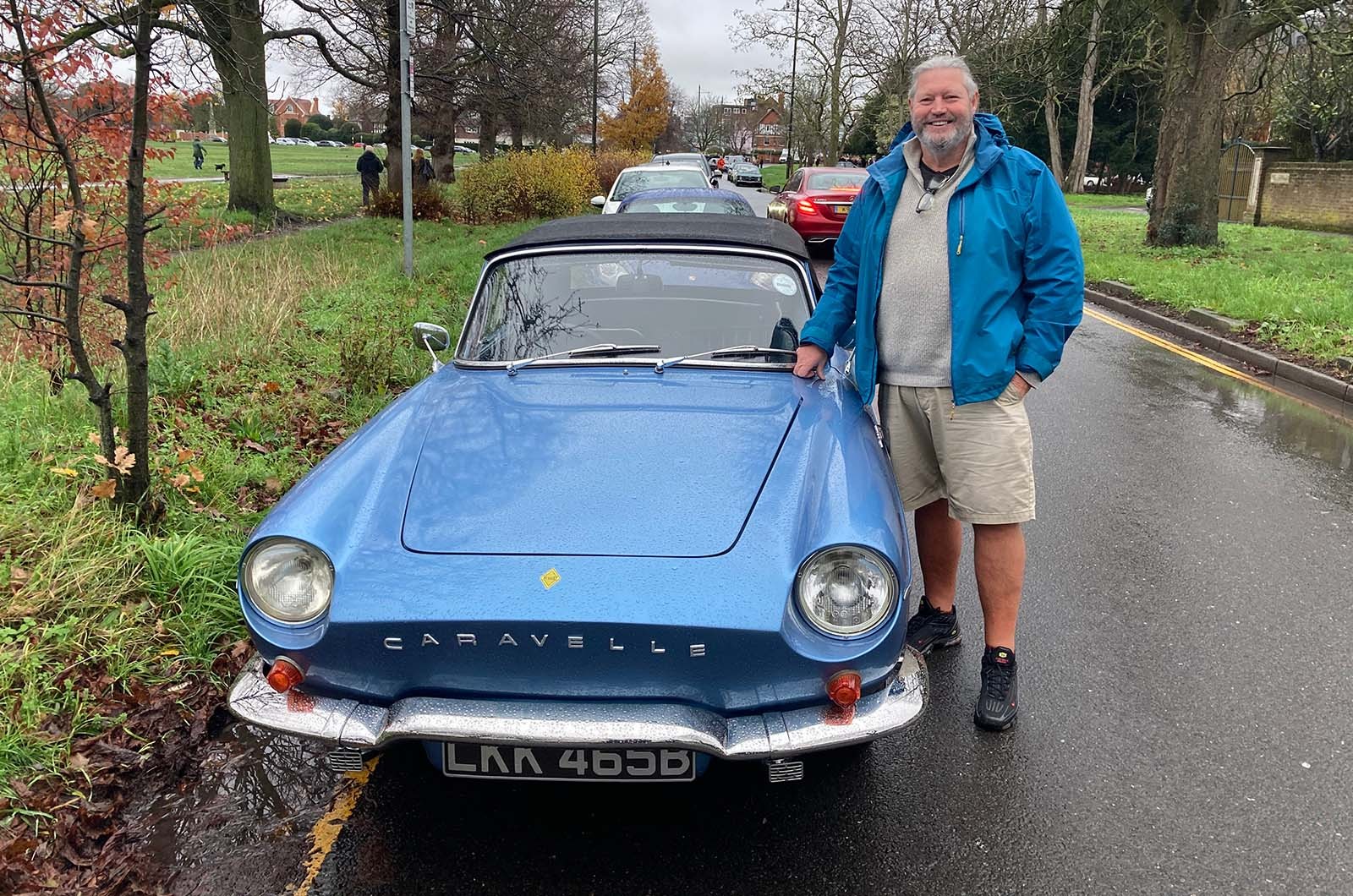
The Renault Caravelle 1100 is often described by enthusiasts as a “yes, but” vehicle. It possesses fundamental automotive features, yet it demands a specific mindset from its driver. It has brakes, but they lack power assistance. It has steering, but there is no servo support. While some have humorously dubbed it a “poor man’s Ferrari,” owners like Danny Maclean argue that such a comparison requires a certain level of romanticism—or perhaps a stiff drink. Nevertheless, the car’s aesthetic appeal remains undeniable.
A Masterpiece of Italian Design
Launched in 1958, the Caravelle was available in three distinct bodystyles: the 2+2 coupé, the cabriolet, and the convertible. The vehicle’s striking appearance was not a coincidence; its bodywork was designed by the renowned Italian coachbuilder Carrozzeria Ghia. This collaboration infused the French-engineered car with a distinctly Italian flair, evident in details such as the elegant “1100” script on the engine cover and the decorative mesh grilles flanking the rear numberplate.
Despite its sophisticated looks, the Caravelle faced significant market challenges. It was intended to compete directly with British sports cars like the Triumph Spitfire. However, in the UK market, the Caravelle’s price tag was nearly double that of its primary rival, limiting its commercial success despite its superior design credentials.
From Bargain Buy to Restored Gem
Danny Maclean’s connection to the Caravelle spans decades. His first ownership experience began in the late 1970s, when he purchased a unit for just £675. At a time when most roads were dominated by Fords and Vauxhalls, the Caravelle’s unique silhouette stood out. Although that first car was in poorer condition, he sold it shortly after for £700—a decision he regretted for years.
Eighteen months ago, Maclean found his way back to the marque when he spotted a 1963 model at a classic car auction. He acquired this example for just over £9,000, a significant investment compared to his first purchase. Since then, he has dedicated considerable resources to restoring it to pristine condition.
Preservation Over Restoration
Interestingly, the recent restoration focused less on the car’s physical structure and more on refining existing work. The vehicle had been imported from South Africa, meaning it had never been exposed to the corrosive salt used on European winter roads. This provenance preserved the bodywork and interior in exceptional condition. While the car had undergone partial restoration previously, Maclean found that some of the prior work required correction to meet his standards.
The Verdict: The Renault Caravelle 1100 remains a testament to the era when style often outweighed practicality. Though it demands patience from the driver due to its manual systems, its Ghia-designed beauty and rare heritage make it a cherished icon for classic car collectors.