Frank van Meel doesn’t care about the numbers game.
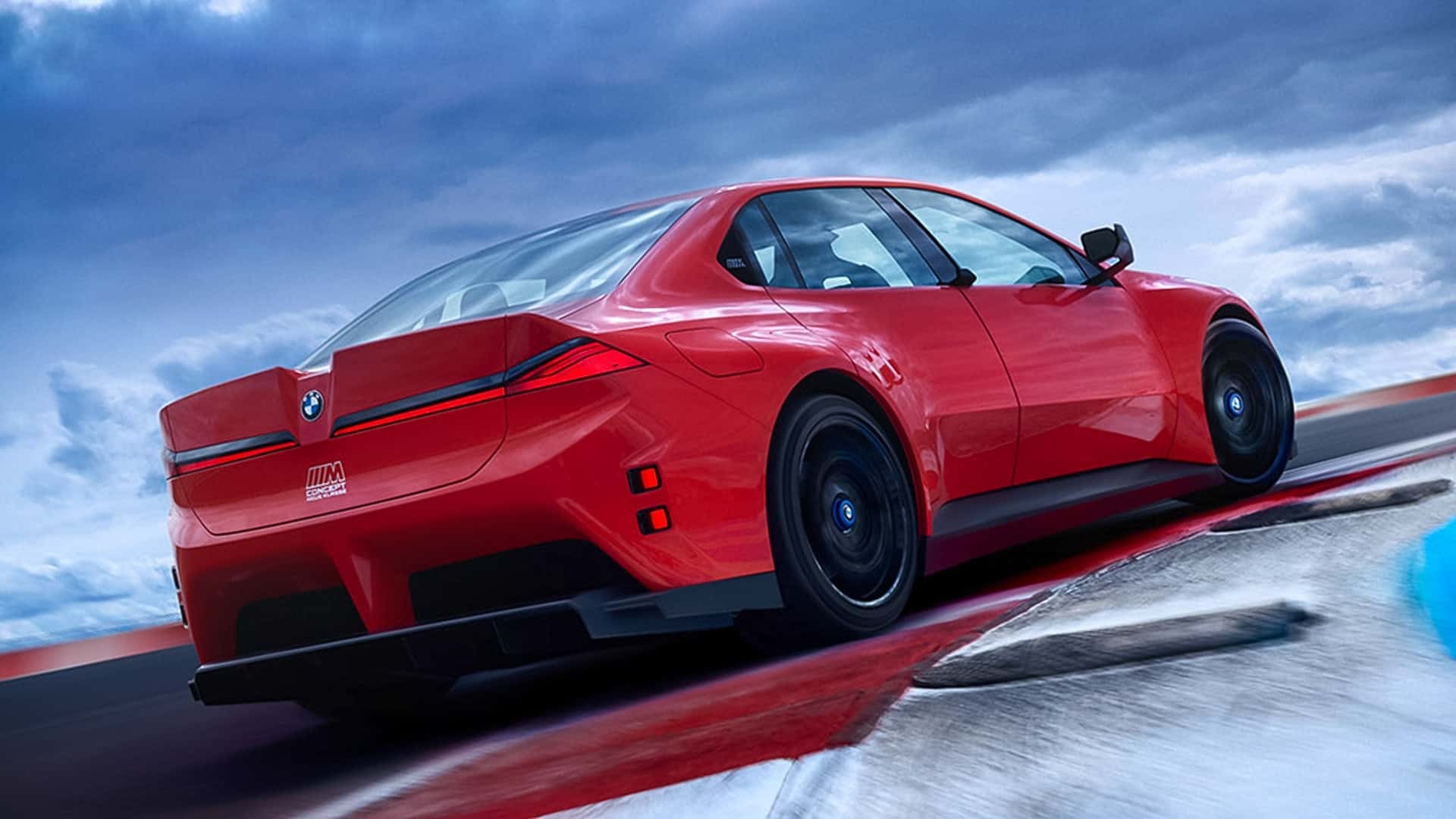
Not anymore. The boss of BMW M recently confirmed something that feels almost radical for 2026. The incoming electric BMW M3 power spec won’t chase hypercar figures. It will have more punch than the current gas-guzzling six-cylinder sedan, yes. But it won’t be a monster. It won’t break a megawatt. It won’t try to.
Why the Electric BMW M3 Won’t Hit 1000+ Horsepower
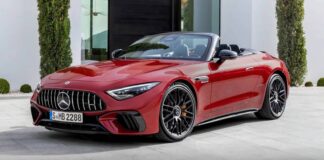
The industry is currently drunk on power. Look around. The Mercedes-AMG GT 4-Door now pushes over 1,100 horsepower. Its smaller cousin, the CLA, sits at nearly 700. Hypercars flirt with 2,000. The trend suggests the next BMW M3 should theoretically match them.
Frank van Meel disagrees.
He admitted in a conversation with Bimmer Today that unlocking a megawatt of torque is technically trivial for their new architecture. They even built the Vision Driving Experience concept with 1,341 horsepower as proof. But physics is a harsh teacher.
“If I put over a megawat of power into a car… the temperature will start to rise,” van Meel explained. “That means that everything collapses after that.”
Heat kills performance. Sustaining a thousand-plus horsepower requires cooling systems that simply don’t fit in a sedan. It’s not sustainable. It’s not practical. So the M division is choosing sanity. They are choosing to stay well under 1,000 horsepower. Most estimates place it likely below 900 HP, keeping it manageable for the street rather than just a strip queen.
The goal isn’t just to hit arbitrary numbers; it’s to build a car you can actually drive.
What To Expect From The 4-Motor EV Architecture
Here is where the BMW M3 EV torque delivery gets interesting. This isn’t just a battery bolted into an old chassis.
The new model launches with four distinct electric motors. Each wheel gets its own dedicated power source. This allows for complete torque vectoring that a mechanical limited-slip differential could only dream of. But there’s a catch—or a feature, depending on your perspective.
You can decouple the front axle.
That means the electric BMW M3 can switch to rear-wheel drive when you don’t need all-wheel traction. Deactivating the two front motors reduces weight transfer and friction, improving efficiency for cruising. When you stomp on the pedal? The quad-motor system wakes up instantly.
The battery behind all this noise is bespoke. We are talking about a lithium-ion pack with a usable capacity exceeding 100 kWh. Enough range for a proper track day, theoretically, though heat management remains the key constraint on repeated high-performance use.
Does This Mean The Gas M3 Is Dead?
No. Stop worrying.
The combustion-engine M3 isn’t going extinct anytime soon. Van Meel explicitly stated that the internal combustion version will live on alongside its electric sibling. A next-gen gas model is expected to arrive no earlier than 2028.
Why wait so long? Because the current engine is already compliant. The S58 inline-six powering today’s M3 has been updated with pre-chamber ignition tech to meet Euro 7 standards. That’s the global benchmark for emissions. So the gas model has at least four more years of life, possibly more. This also extends the lifespan of the M2 and M4, which share that same mechanical heart.
You will have a choice in the showroom. It’s unusual. Most brands phase out the engine first. BMW is hedging its bets, pleasing both the purist who misses the six-cylinder burble and the tech adopter who wants instantaneous torque.
How Much Power Will The Electric BMW M3 Make?
If you are hunting for the exact horsepower of the new electric M3, you won’t get an official number just yet. But the clues are solid.
Van Meel said the EV will outperform the combustion model. The current king of the gas hill is the M3 CS, rated at 543 horsepower. Therefore, the new electric car must top 543. We already established it won’t hit 1,000 due to thermal limits.
My guess? Somewhere between 750 and 850 horsepower. Enough to embarrass most traffic. Enough to require focus. But not so much that it melts after three launches.
Is it enough for the true enthusiasts who demand the highest numbers on the badge? Some of them already grumble about using the M3 name for anything electric. But then again, do you buy a car for the badge, or for how it moves?
The electric M3 isn’t trying to be a hypercar. It’s trying to be a usable sports sedan that happens to be brilliant at launching from zero. That’s a harder trick to pull off than making a car go 300 mph. Or so BMW hopes.
We’ll know soon enough. The first units hit next year. Until then, the mystery remains the best marketing tool of all.