Water doesn’t just wreck drywall. It wrecks engines.
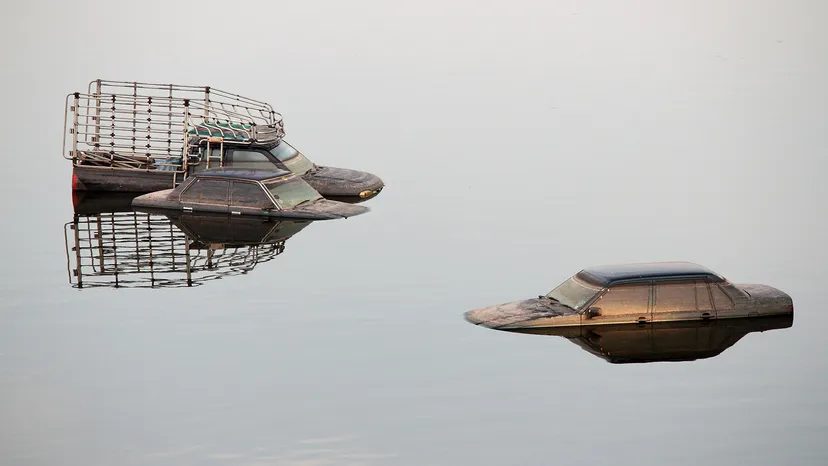
The United States has been drowning lately. Heavy rains and rising tides have turned neighborhoods into lakes, ruining homes and bankrupting small businesses. But look past the collapsed roofs and you’ll see a graveyard of metal.
Consider Hurricane Katrina in 2005. Roughly 500,000 cars were left behind in the surge. Fast forward to 2017. Hurricanes Harvey and Irma pushed that number to an estimated one million damaged vehicles [sources: Insurance Information Institute, Donnelly].
Most of these cars didn’t survive.
When floodwaters rise deep enough, insurers declare the cars totaled. They get crushed. Recycled into steel beams for new bridges.
But not all of them.
About half of the cars damaged by Harvey were expected to resell. They were cleaned. Dried. Listed on used car lots.
If you’re buying a pre-owned vehicle, you need to know the risks. Dealers aren’t always transparent. A car might look pristine. It might idle smoothly. That doesn’t mean it’s safe.
Corrosion moves slow. It hides inside dashboards. It eats through wiring harnesses. It ruins critical safety systems. You might not notice the rust until the brakes fail at 60 mph.
Flood damage isn’t just a financial hit. It’s a life-threatening hazard.
Identifying a lemon isn’t easy. The signs are subtle. But they’re there.
Here are the ways to tell if that used car is a clean machine or a ticking time bomb.
10: Be a Smart Shopper
Start with the paperwork. Before you even look at the paint, look for the history report.
A clean title is a myth in many flood zones. Dealers often rebrand flood-damaged cars as “salvage” or “reconstructed.” Or they hide the damage entirely.
Check the VIN. Run a Carfax or AutoCheck. Look for water damage indicators. Look for liens from insurance companies.
If the dealer hesitates, walk away.
Real transparency is rare. It’s valuable. Treat it like gold.
Remember: A lower price often means a higher risk.
Dealer Due Diligence
Start with the dealership. Look for one that has been around the block. Reputable, long-standing dealerships don’t risk their reputation by screwing over customers. Their sales reps know better. But even then, you have to dig.
Ask if the specific vehicle you want has ever been hit by flood damage. Don’t settle for a verbal shrug. Get it in writing. If the dealer hesitates or gives you a non-committal answer, walk away. Anything other than a hard “no” is a red flag waving in your face.
Then, look at the title. Physically hold it. Check for a stamp that says “Flood” or “Salvage.” Some states require this by law. It tells you where the car came from and how bad things got.
Watch the price tag. If it’s significantly below market value and there’s no logical explanation, something is wrong. Cars don’t get cheap for no reason.
VIN Check
You can pull the history yourself. The National Insurance Crime Bureau (NICB) has a database. You can check the Vehicle Identification Number (VIN) against it. The VIN is usually stuck at the bottom of the windshield on the driver’s side.
This tells you if the car was ever declared salvaged. That means it was considered too damaged to repair. It wasn’t just scratched up. It was totaled.
9: The Sniff Test
Inside the Cabin
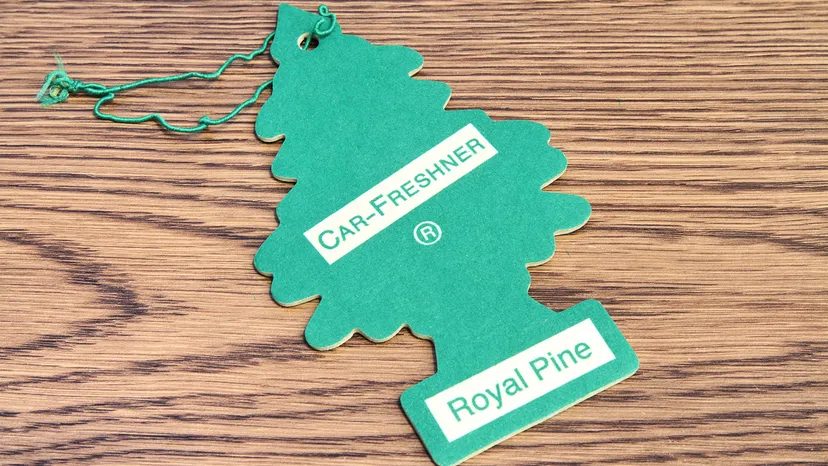
It sounds simple, maybe even silly. But the fastest way to catch a car that has seen better days involves just one sense: your nose.
Water damage leaves a trail. Mold and mildew are stubborn. They do not like to leave, and they certainly do not care if you are trying to sell the vehicle. A distinct, musty aroma is usually the first red flag. It is the scent of significant water exposure. If you detect it, the car has likely been submerged.
Testing this is straightforward. Roll up the windows. Shut the doors. Sit in the driver’s seat. Wait. Then take a deep breath. If the air smells damp, earthy, or just wrong, walk away.
Be skeptical of the sweet. Dealers often blast synthetic pine, vanilla, or leather-scented mist into a compromised cabin. They are trying to mask the rot. A heavy air freshener is rarely a sign of cleanliness. It is often a sign of desperation.
8: Feel Your Way Around
Smell gets you to the door. Touch tells you what happened inside.
Water finds its way into places you do not expect. It seeps into crevices, under carpets, and behind dashboards. You need to run your hands over surfaces. Look for dampness. Check the floor mats. Lift them up. If the carpet underneath feels soggy, or if you see discoloration, the water line was higher than you thought.
Move to the seats. Are they stiff? Leather that has been soaked and dried often cracks or becomes brittle. Fabric seats might retain a damp weight even after surface drying. Run your fingers along the carpeting in the trunk. Check the spare tire well. This is a common spot for water to pool. If the metal is rusted or the insulation is wet, the flood was serious.
Check the wiring. Look under the seats and behind the dash. Corrosion on electrical connectors is a death sentence for modern cars. Water shorts out sensors, modules, and lights. The repairs are not just cosmetic. They are systemic.
A damp smell is a warning. Wet carpet is a confirmation.
You are looking for inconsistencies. A car that smells fine on the surface but feels cold and damp underneath is lying to you. The flood damage is still there, hiding in the shadows. Do not let the shine fool you. The water always leaves a mark.
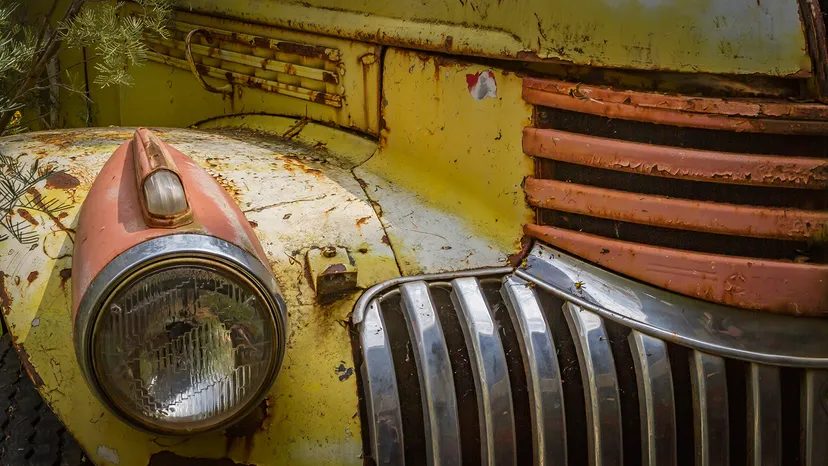
Feeling for the Damp
Your fingers are just as valuable as your nose when hunting for flood damage. Dealers can be thorough, but they aren’t psychic. Water finds the lowest points, pooling in spots that often slip past a quick visual checklist.
Run your hand along the floor mats and carpet. Press down. If the material feels spongy or cold, that’s a red flag. You want to feel for a distinct dampness that doesn’t match the ambient temperature of the cabin. If you’re brave enough to peel back the edge of the carpet, do it. Check the metal floor pan underneath. Moisture trapped between the insulation and the chassis is a classic sign of past flooding. Look for rust spots or staining on the bare metal. These are the scars a flood leaves behind.
Don’t forget the trunk. It’s a common blind spot in pre-sale prep. Feel the spare tire well. Pull the spare out and run your hand over the surface beneath it. Water loves to sit in that recess, especially if the car was submerged high enough to breach the trunk seal. Even a thorough wash won’t remove moisture trapped under the insulation or in the seams of the trunk liner.
Pull the seatbelts all the way out to check for discoloration. Water stains often travel up the strap, revealing a history of submersion that isn’t visible when the belt is retracted.
7: Spot Corrosion Clues
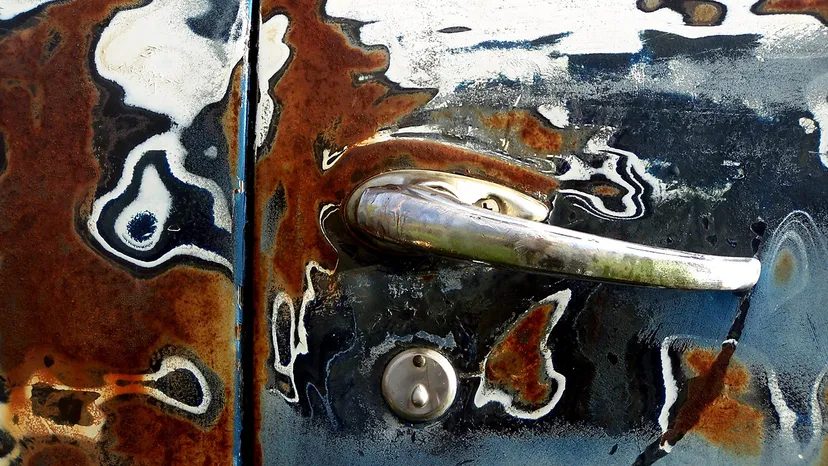
Corrosion doesn’t stop when the mud dries. It keeps working. You might buy a dry car today, but the chemicals and moisture trapped in those seams are still eating through metal. It’s a slow poison.
Rust is usually obvious. Check the hardware. Screws. Door hinges. Hood springs. Trunk latches. Look under the dashboard brackets too. If you see orange flakes, that metal touched floodwater. Hard water. Dirty water. It doesn’t matter which. It matters that it touched.
Open the doors. Look at the corners where the door meets the body. That’s where water pools. That’s where it hides. Check all four doors. Inside. Out. The bottoms included.
Grab a mirror. Crawl under the seats. Look at the springs. Rusty springs mean water got deep. Use the mirror again to peek at the undercarriage. Look for flakes. Look for pitted metal. Look for the texture of decay.
Recognizing Subsurface Rust
Paint can lie.
Look closely at the exterior finish. Focus on the edges. Near rubber seals. Near chrome trim. If the paint is bubbling, it’s failing.
Bubbles mean rust is expanding underneath. The clear coat lifts. The primer cracks. The metal turns to dust below the surface. You can’t just buff this out. You have to dig in. Or walk away.
Faulty Fabrics
Water ruins cloth.
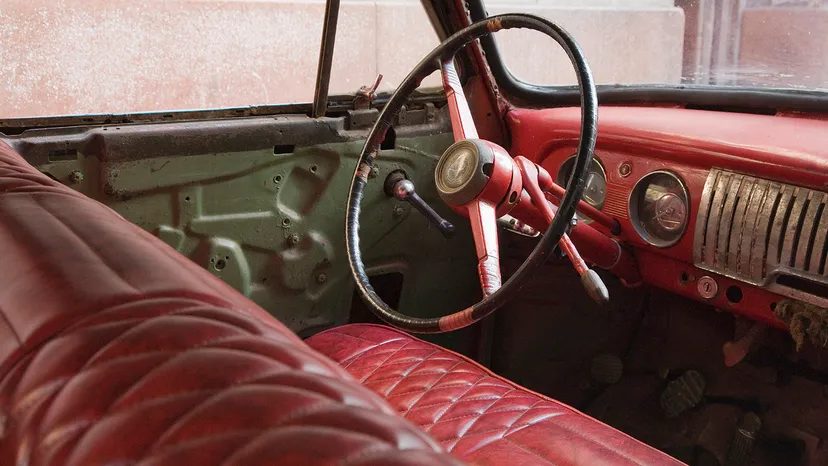
You won’t always see the water line on the dashboard. Sometimes the flood history hides in plain sight, buried under layers of carpet and fabric. That’s why you need to get on your knees.
Look everywhere. Under the seats. Behind the kick panels. Inside the trunk well. You are hunting for blotchy, brown stains. These aren’t just dirt. They are mineral deposits left behind when muddy floodwaters evaporated. If you see them, walk away.
The Carpet Deception
Age matters. If you’re looking at a vehicle that’s ten years old, the interior should show wear. Not rot. Just use.
If that ten-year-old car has carpet that looks like it was installed yesterday, raise a red flag. Someone cleaned it. Or replaced it. Why? To hide the smell of mildew. To cover up the stains.
Check for mismatched sections. Look closely at the seat fabric. Are the colors uniform? If one bolster is lighter than the other, that’s a bad sign. It means the original fabric was removed and stitched back in. Or patched.
Patterns should align. If the stripes on the door card don’t match the stripes on the seat, someone cut and reupholstered. That’s not an accident. That’s damage control.
Loose carpet is another clue. It should be tight. Secured. If it bunches up or lifts when you press it, the padding underneath might be soggy. Or stolen.
Compare the floor mats to the headliner. Compare the door panels to the roof lining. They should all tell the same story. Same age. Same color. Same fade. If the roof feels newer than the floor, something is wrong.
5: Take a Test-drive
This is where the truth usually surfaces. You can clean a car. You can mask smells. You can’t easily fix a transmission that ate water.
Don’t just drive it in the parking lot. Put it on the highway. Listen.
A flood-damaged car might run fine at idle. But under load? That’s when the electronics start to glitch. The windows might roll down slower. The power locks might hesitate. These are small things. They seem minor until they become expensive.
Pay attention to the steering. Does it pull to one side? Could be alignment. Could be corrosion in the steering rack. Water loves to get into those seals.
Brakes should feel firm. If the pedal is spongy, check the lines. Moisture inside the brake lines causes internal corrosion. It leads to failure.
Shift through all gears. Automatic transmissions are sensitive. If the shifts are harsh or delayed, water may have contaminated the fluid. The solenoids inside are tiny. Hard to clean. Easy to ruin.
Listen for weird noises. Squeaks. Rattles. Water gets into places it shouldn’t. It causes rust. Rust causes movement. Movement causes noise.
Does the AC blow cold? Check the blend doors. They’re often plastic. They warp with heat. And they get stuck with grime. If the AC is weak, it might be more than just a low refrigerant charge.
Test the lights. All of them. Floods often short out the wiring harnesses. A flickering turn signal isn’t just a bulb. It could
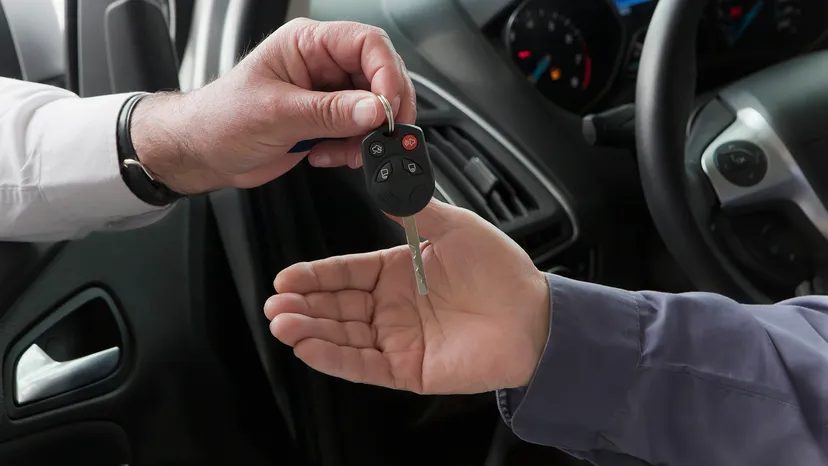
A compromised electrical system isn’t just an inconvenience. It’s a critical hazard. Cars submerged in high water for extended periods suffer deep-seated damage that can become life-threatening. You need to test every inch of the vehicle’s electronics before you even think about driving it home. Newer infotainment systems are especially vulnerable. They behave like smartphones—complex, sensitive, and prone to failure when wet.
Start by crawling under the dashboard. Gently bend the wiring harnesses. If the insulation cracks or the wires feel brittle, you’ve found your first sign of water intrusion. Visual inspection stops there, though. The rest of the electrical network is hidden. You’ll have to take the car for a test drive to verify functionality.
When you turn the key, listen. Listen for sparks. Listen for whines that don’t belong. Watch for smoke. Sniff for the sharp scent of burning insulation. Every dashboard light should illuminate, including the backlighting. Check the headlights. Test the turn signals. Verify the emergency blinkers work on all four corners.
Activate the air conditioning. Run the wipers. Plug something into the cigarette lighter or auxiliary port. Do they respond? Check the radio. Static? Distortion? Silence? These are classic symptoms of water damage to the audio circuitry.
New Stereo, Old Problem
Look at the stereo unit. Does it look too new for the car’s age? Flooded vehicles often have their stereos replaced by insurance companies or desperate sellers trying to hide the extent of the damage. Water ruins sound quality. It corrodes speakers and fries amplifiers. A brand-new head unit in a ten-year-old beater is a red flag. Unless the seller has a legitimate receipt and a clear story, assume the car was submerged.
4: Check the Oil
This is where things get serious. Oil and water do not mix. If the engine intake sucked in floodwater, or if the seal between the oil pan and the block failed under pressure, you’re looking at catastrophic engine damage.
Pull the dipstick. Look at the oil. It should be amber or black, depending on mileage. If it looks like a chocolate milkshake, stop. That’s emulsification. Water has mixed with the oil. This destroys lubrication. Metal-on-metal contact follows quickly. The engine will seize.
Check the oil filler cap too. Look underneath it. Is there a creamy, tan sludge? That’s another sign of water contamination. It doesn’t matter if the car runs now. Water in the oil causes corrosion inside the bearings and cylinders. Once the water is in there, it’s only a matter of time before the engine fails completely.
Don’t trust a visual check alone. Water can be hidden in the transmission fluid, the differential, or the transfer case. These systems use similar lubricants. If the oil is milky, check the transmission dipstick. If it’s pink and frothy, the water has reached the drivetrain.
Replace all fluids? No. Replace the engine. Or walk away.

Water doesn’t just soak carpets. It gets into the engine. And the oil? It tells a story you can see with your naked eye.
If you check your own oil, you might spot a flood victim before they even open the door. Look at the dipstick. Clean oil is amber. Dark oil is burnt but clean. Flooded oil is something else entirely.
It turns milky. Some call it coffee with milk. Others say chocolate milkshake. The color is wrong. It’s pale when it should be dark brown or black. The viscosity is off too. Rub a drop between your fingers. It feels sticky. Thick. Wrong.
This happens because water mixes with the lubricant. Emulsification. The oil can’t protect the engine anymore. Sludge forms. Bearings fail. The engine eats itself from the inside.
Check the air filter while you’re under the hood. It’s paper. Easy to ruin. Look for water stains. Dark spots. Discoloration. If the filter is wet, water has been where it shouldn’t be. High up. Near the intake. That’s a bad sign.
3: Soggy Signs
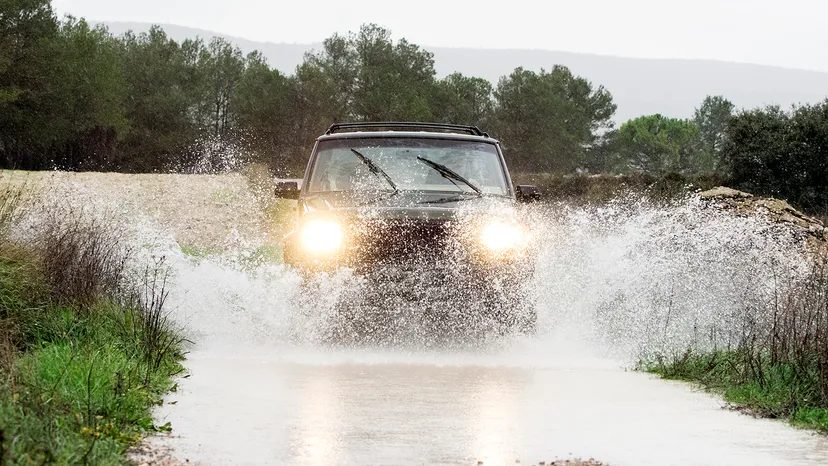
You can wax it. You can detail it until it gleams. But you can’t hide flood damage if it’s trapped in the dark corners of the vehicle. Some areas just won’t dry out, no matter how hard someone tries to cover up the evidence. You have to look closer.
Start with the lights. Headlights and taillights are usually the first to betray a submerged car. If they look foggy, that’s not just age. That’s water trapped inside the housing. It happened when the car went under.
The instrument panel is next. Check the interior and exterior mirrors too. If there’s a haze, moisture is stuck. It hasn’t evaporated. That’s a red flag.
Water has a way of pooling. Look at the overhang inside the wheel well. Check for dampness. Look for corrosion. Tell-tale water lines will show you exactly where the flood reached. Examine the doors. Check the trunk. Those lines indicate how high the water level rose. They tell you the extent of the damage.
2: Dirty Details
This is where the real deception happens. Flooded cars are often sold as “clean” because the surface looks okay. But the dirt tells a different story.
Mud and silt are the giveaways. They get into places that don’t see regular cleaning.
- Under the carpets: Pull up a corner. Floodwater brings up sediment. It leaves a crusty residue.
- Inside the AC vents: Check for grit. Water pushes debris into the airflow system.
- Under the seats: Look for mud. Or worse, mold.
Mold is the real killer. It grows fast in wet fabric. It smells like wet dog. Or wet earth. If you smell that, run.
Electronics are another minefield. Water shorts out circuits. It causes corrosion over time. Even if the car starts, the electronics might fail later.
Oil and fluids get contaminated. Water mixes with engine oil. It turns into a milky substance. Check the dipstick. If it looks like a chocolate milkshake, the engine has seen water.
Brake systems suffer too. Water rusts the rotors. It compromises the pads. Even after drying, the damage might be done.
The Hidden Cost
Buying a flood-damaged car seems like a bargain. Until it isn’t.
The repairs are expensive. And they’re never truly complete. Electrical gremlins will haunt you. Mold will return. The structural integrity might be compromised.
Why does this matter? Because a car with flood damage is a ticking time bomb. It’s not just about aesthetics. It’s about safety. And cost.
How do you avoid it? Always get a vehicle history report. Check for flood damage indicators. Look for water lines. Check the underside.
Where do you find these cars? Often at auctions. Or from private sellers who don’t disclose the history.
Which inspections are best? A pre-purchase inspection by a trusted mechanic. They know where to look.
Is it worth the risk? Generally, no. Unless you’re a mechanic with deep pockets and time.
The market for these cars is tricky. Prices are low. But the
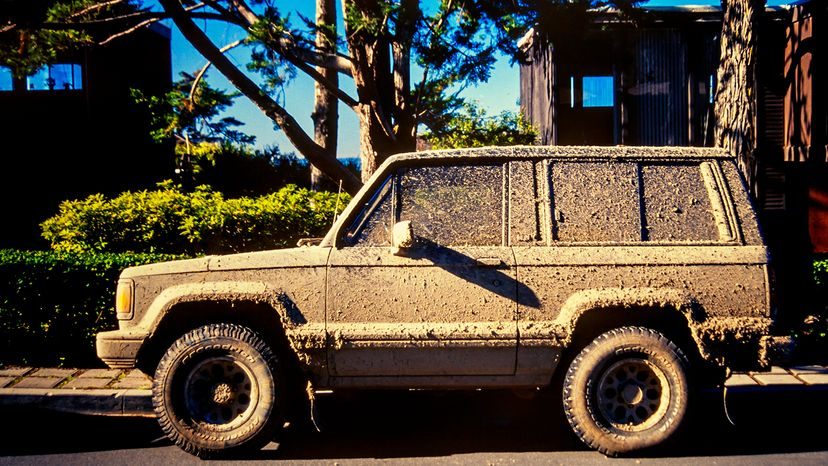
Water doesn’t just wash a car clean. It drags grit, grass clippings, and silt into every nook and cranny. When the flood recedes, the water vanishes. The muck stays behind. It’s nearly impossible for an owner to scrub out every speck of sediment from a vehicle that has been submerged. This leaves telltale signs that savvy buyers can spot if they know where to look.
Where Mud Hides After the Flood
Don’t just glance at the upholstery. Look for the dried remains of the flood in places that don’t get regular attention. If you’re hunting for a used car, these are the primary indicators of past trauma:
- Inside and under the glove box: A simple open-and-check. Mud often settles here.
- Engine bay crevices: Look deep into the folds of the engine cover and around brackets.
- The trunk: Check the spare tire well and the lining.
- Under the spare tire: This is a common trap for water and debris.
- Beneath the dashboard: Kick panels and footwells accumulate silt quickly.
- Seat tracks and undersides: Pull the seats forward. Check the rails. Dirt loves to hide in the grooves of the mounting tracks.
- Wheel wells: Inspect the plastic liners and the arches.
- Around wiring harnesses: Look for crusty deposits clinging to cables and connectors.
Finding even a small amount of dried mud or grass in these spots suggests the car sat in water for a significant time. It’s not just about surface wetness. It’s about sediment accumulation.
1: Rely on Expert Eyes

The Verdict on Flood-Damaged Vehicles
You don’t buy a used car to gamble. Even on a tight budget, a vehicle is an asset, and buying one with hidden water intrusion is a fast track to financial ruin. If your own inspection leaves you guessing whether the floorboards are truly dry, stop. Pay for a professional assessment.
A seasoned mechanic knows exactly where flood damage hides. They aren’t just looking at the obvious. They check components you’d never think to touch, like the alternator, specific wiring harnesses, and fluid pumps. These areas trap moisture long after the water recedes.
They’ll also spin the wheels. Removing them reveals silt and mud packed into brake calipers and suspension parts. It’s a dead giveaway of submersion. Ignoring this step is leaving money on the table.
Is a Flood Damaged Car Repairable?
Technically, yes. A skilled technician can usually reverse the damage. Practically? Don’t try this at home. The complexity of modern automotive systems requires deep, specialized knowledge. You’ll likely break more than you fix.
The real question isn’t repairability. It’s value. Are flood damaged cars worth buying?
Sometimes. If you need cheap transportation until you save for something reliable, a low-cost, fully repaired unit might work. It’s a stopgap. If you’re a builder looking to restore a specific model, the purchase price might justify the labor. But for the average buyer? It’s a high-risk gamble.
Signs of Water Intrusion
How can you tell if a car has flood damage before you sign the papers? The clues are often sensory.
- Smell: A heavy, musty odor suggests mold growing in the upholstery or insulation.
- Touch: Carpets that feel loose or look mismatched indicate they were pulled up and reinstalled poorly.
- Sight: Rust spots around door hinges, under the hood, or in the trunk are red flags. Water leaves mineral deposits and corrosion.
Fog inside interior lights or the instrument cluster is a classic sign of internal moisture.
These aren’t just cosmetic issues. They point to systemic neglect.
The Cost of Rebuilding
How much does it cost to fix a flood damaged car? It depends on the depth of the submersion.
Minor dampness might cost a few hundred dollars in cleaning and drying. Deep submersion? That runs into the thousands. You’re looking at replacing wiring harnesses, scrubbing mold, and potentially swapping out the ECU and other critical electronics. The bill scales with the damage.
Does flood damage ruin a car?
It can. Water conducts electricity where it shouldn’t. It corrodes connectors. It breeds mold in the carpet, seats, and HVAC systems. A compromised electrical system leads to unpredictable failures. A car isn’t just a machine; it’s a web of fragile connections. Flood damage severs that web.
Check the links for deeper dives into specific repair techniques and market trends.