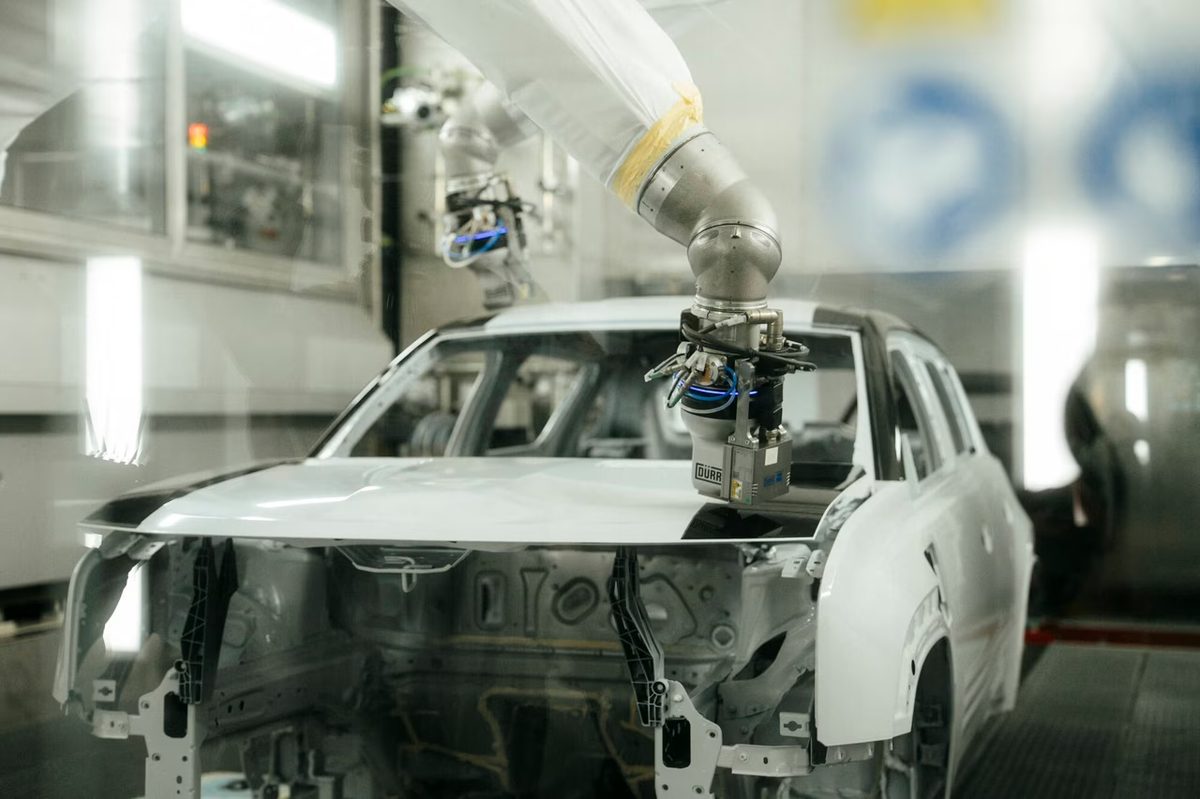
The new R4 isn’t just bringing retro vibes back to the streets. It’s introducing a major shift in how car bodies are coated. Renault has integrated a process called Jetprint Paint. It changes how two-tone finishes are applied. And it cuts the environmental footprint significantly.
How Jetprint Paint Works
Traditional two-tone painting is messy. You need two trips through the paint booth. You need manual masking. You use a lot of energy and create waste from tape and paper.
Renault looked at printing technology instead. Two robots now apply the second color. They target the roof and the hood. The whole job takes six minutes. There is no masking tape. There is no manual labor to remove protective layers. This eliminates a huge chunk of production waste. It also speeds up the line.
Why This Matters for the R4 E-Tech
The Renault 5 E-Tech leaned heavily on its neo-retro style. It won’t let the R4 copy that move. The R4 innovates in other ways. It stands out without stepping on its smaller sister’s toes.
“This revolutionary technology allows for precise and fast application of two-tone paint.”
The R4 E-Tech uses this tech to differentiate itself. It keeps the heritage look but updates the manufacturing. The result is a cleaner process. And a faster build time.
The Environmental Impact
Masking materials end up in trash bins. Solvents evaporate into the atmosphere. Energy bills skyrocket in large booths. Jetprint Paint addresses these issues. By removing the masking step, Renault reduces material waste. The direct application minimizes overspray. That saves paint. It also saves the energy usually spent curing those extra layers.
The R4 E-Tech is more than a nod to the past. It’s a look at efficient manufacturing. The robots do the work. The process is cleaner. The car looks good. It’s a practical solution for a modern electric vehicle.
Does this change the driving experience? Probably not directly. But it changes how the car is made. And that matters. The R4 E-Tech proves you can keep classic aesthetics without the old, wasteful methods. It’s a smart pivot. One that sets a new standard for two-tone finishes.
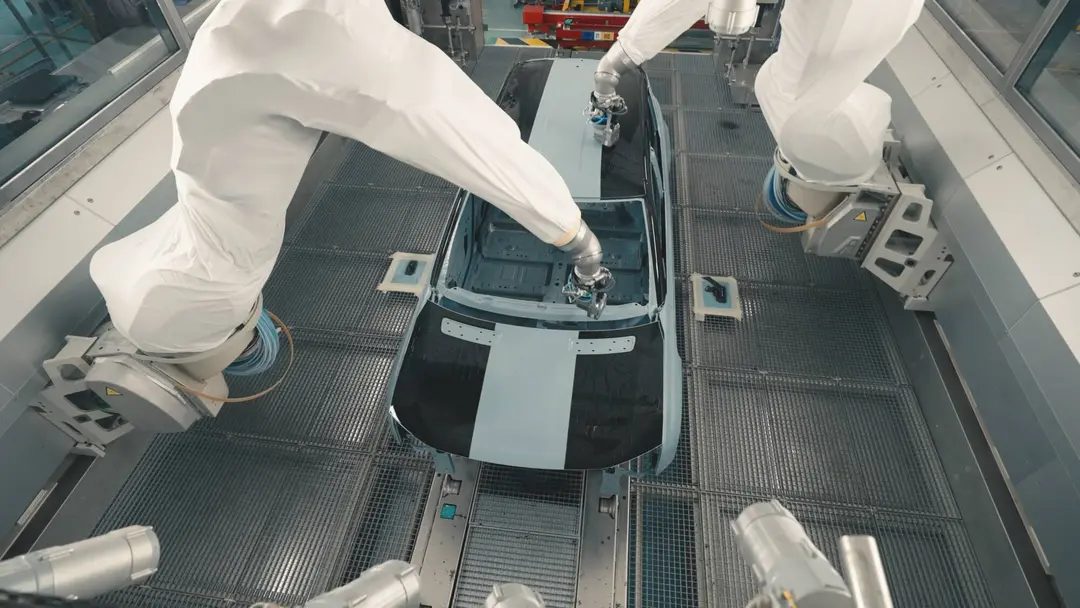
The Hidden Win of Renault’s Paint Innovation
It’s not just about the finish. It’s about the footprints left behind.
By integrating Jetprint Paint at its Maubeuge plant, Renault has carved out a significant efficiency gap in automotive manufacturing. The numbers are stark. The factory saves 1.7 GWh of electricity every single year.
Think about that scale. That’s enough power to keep 350 average households running for twelve months. But the real metric for the future is what doesn’t get burned. The process cuts carbon emissions by 331 tonnes of CO₂ annually.
Why This Matters for Custom Orders
Here is where the tech gets interesting for the buyer. Traditional painting is rigid. You pick a color from a palette. You get the car. Jetprint flips that script.
The technology offers precision that spray guns simply can’t match. This isn’t just about making the coat smoother. It’s about enabling complex, custom designs without the massive waste and cost usually associated with special orders.
Want a bespoke livery for your fleet? Done. Want a unique paint job for your personal vehicle? Now possible. The barrier to entry for high-end customization has just dropped.
“Renault is proving that sustainable manufacturing and consumer desire for personalization aren’t mutually exclusive.”
This move is a direct hit on the “Renaulution” strategy. It’s not just a shiny new gadget. It’s a structural shift. Industrial performance meets environmental responsibility. The old way of painting cars is being replaced by a smarter, cleaner, and more flexible alternative.
The question isn’t whether this will spread to other plants. It’s how fast the industry catches up to the standard Maubeuge is setting.