


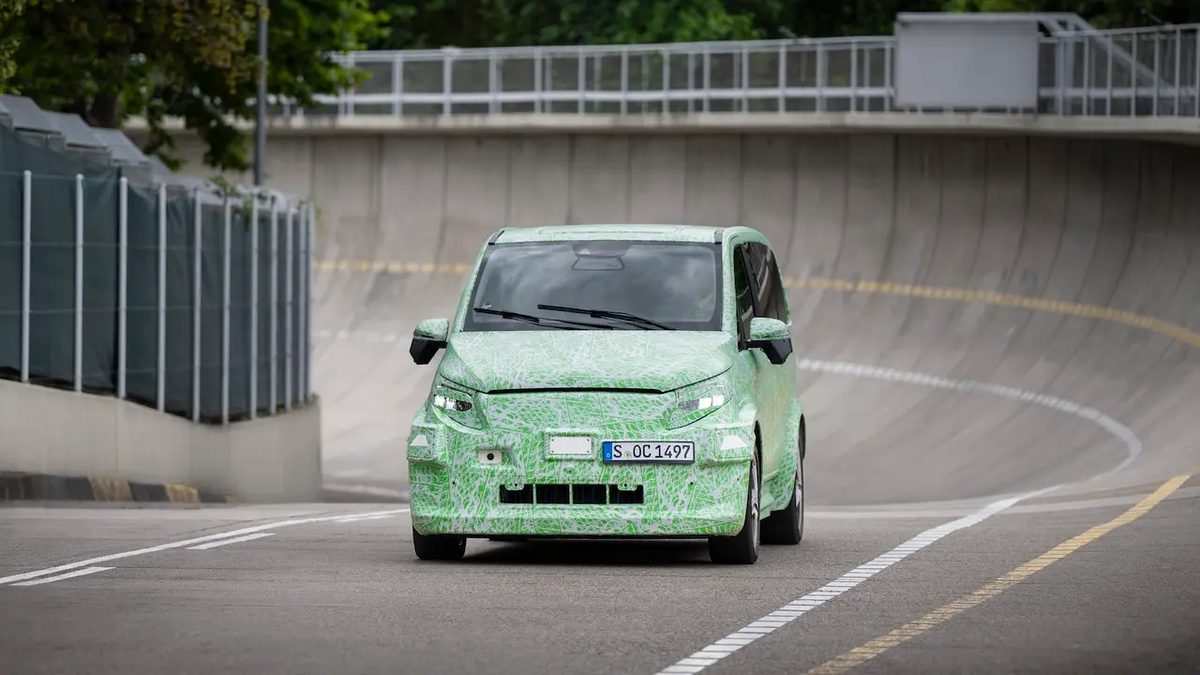
Mercedes-Benz is not thinking about the next electric car. they have proven it. The company has just towed a prototype over 3,000 kilometers over rough terrain to confirm the design behind its upcoming EQV successor. Today is not a track day. This is a stress test designed to ensure that laboratory test results correspond to reality.
The goal is simple. By validating the original assumptions in the real world, we optimized the final version of the vehicle that replaces the current EQV.
The road to the top of Europe
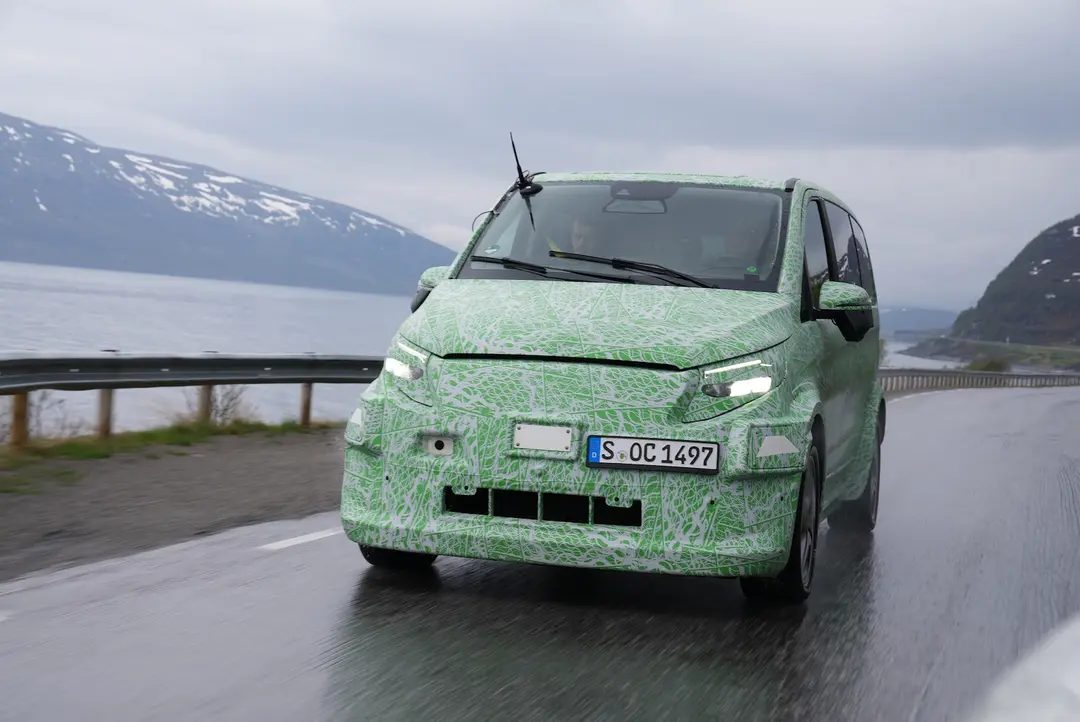
Between May 27th and June 4th, a dedicated engineering team flew the camouflaged prototype from Stuttgart, Germany to Nordkapp, Norway. This car uses the EQV skin. Below that is the new VAN.EA platform.
This architecture is built specifically for electric vans. This journey covers more than 3000 kilometers. Test the efficiency of the engine kit. Test your energy management system. We tested an 800-volt charging architecture.
“This result is encouraging and confirms that the future VAN.EA achieves a solid compromise between autonomy, power and energy management.”
Real-world data and laboratory simulations
Mercedes engineers have collected hard data on consumption. It also monitors operating characteristics. The results show that this platform can support everyday business applications without compromise.
The tests confirmed the efficiency of the power transmission. Strengthen thermal management. Importantly, we have shown that the 800 volt system performs as expected under load.
This follows a pattern. Mercedes recently tested the EQXX concept in the desert. They are currently testing the structure of the van in the cold. Both environments reveal the hidden weaknesses of city driving.
Why the VAN.EA platform matters
The VAN.EA chassis is more than just a renewed car chassis. Designed for commercial vehicles. This means different restrictions. The weight distribution is different. different aerodynamic requirements.
Activities in the Northern Cape confirm these special needs. Engineers measured how the vehicle handled long distances. They study how batteries cool down during continuous high-speed driving. Monitor the charging speed at different charging stations.
The data supports the idea that this new van is coming to you soon. Effectively equalizes range, power and energy consumption.
What’s next for EQV’s successor?
The prototype phase is over. The validation phase is complete. Mercedes now has the information it needs to produce the final product.
The next step is production preparation. The platform is proven. The architecture is solid. The electric car market is waiting.
Mercedes has proven that it can build an efficient electric utility vehicle. It’s not just a lab. under foot.

VAN.EA architecture: Why Mercedes invests a lot in modular vans
Mercedes-Benz is completely redesigning its range of commercial vehicles. Starting in 2026, the manufacturer will roll out the VAN.EA platform. This is not just a small change. This is a fundamental change in the way utility vehicles. The goal? To handle everything from luxury transport to durable heavy goods vehicles.
The distinguishing feature here is flexibility. The architecture is designed to be modular. This means that Mercedes can use the same basic chassis for significantly different bodies. Their goal is to halve the number of variants. Fewer parts. Simpler production. Lower costs.
“The VAN.EA platform is known for its flexibility to adapt to different needs, from luxury transportation to commercial utilities.”
How will this change the van market
Mercedes has a clear target for the next 10 years. They expect electric vans to make up 50 percent of van sales. This is not just a matter of compliance. This is to meet the rapidly growing demand for sustainable transport. The market is changing. Buyers are looking for environmentally friendly options that do not sacrifice practicality.
This strategy focuses on two major battlegrounds: the United States and China. These are high-volume markets with stricter emissions regulations. Mercedes believes this new modular approach will give it the flexibility to compete in two areas simultaneously.
Technical efficiency and lightweight construction
The VAN.EA platform under the hood emphasizes the lightweight construction. This is very important for electric cars. Every kilo saved extends the range. But it’s not just the material. It’s about the integration of electrical systems.
This platform optimizes energy management and distribution. This means better thermal management. More efficient power delivery. And a cleaner layout for technicians. Simplifying production also means fewer points of failure on the assembly line.
Why modular platforms are important for fleet operators
For fleet managers, this change is important. Less variation makes maintenance easier. Reduce inventory costs by standardizing parts for different vehicle models. If you use different passenger buses and vans, the VAN.EA platform enables shared service protocols.
This modularity also enables faster updates. As software and battery technology evolve, the underlying platform can be adapted without redesigning the entire vehicle. This is a long game. Mercedes can dominate the electric van market by making it cheaper and easier to manufacture.
The Road Ahead
Switching to utility vehicles is no longer a niche concern. It is becoming a mainstream reality. Mercedes’ move to the VAN.EA platform reflects wider industry trends. Manufacturers combine platforms to survive the costs of electrification.
The success of this strategy depends on execution. Will Mercedes keep its promise to reduce complexity? Will the US and Chinese markets react positively? The answer will determine whether this platform becomes an industry standard or just a failed experiment.
One thing is certain. The era of bespoke, inefficient van production is coming to an end. The future is modular. Mercedes intends to be to lead the charge.


