



We’ve all been there. Hard work. It started innocently enough – a backpack, maybe a cat. But when juggling six shopping bags at once, the milk jug breaks and the eggs turn into omelettes on the trunk lid. What a mess. This is dangerous. Our arms are not designed for that kind of torque.
Your car faces the same reality. Tons of steel, glass and plastic are transported on the roads every day. When a car, truck or SUV is overloaded, it causes more than chaos. This puts a strain on the engine. Hitting the transmission. You turn your commute into a possible burden for others.
Safety isn’t a suggestion here. This is a math problem.
Understand payload basics
Payload sounds like a logistical term, but it’s actually just the total weight the vehicle is carrying. This includes back luggage. There is equipment in the trunk. Yes, that includes the person inside.
Passengers are counted as payload. Every time I get in the car with my friend Dave, I gain about 180 pounds. If Dave eats a lot, he might even be 200.
Knowing your limits takes the guesswork out of it. No more wondering if you can squeeze one more box into the bed. It tells you exactly how many trips you need to make so you don’t blow a strut or tip over a curve.
Where do you find your limits
We need these numbers. This is not an estimate. It’s not something you think you’ve seen others do. Actual specifications.
Look at the label. It is usually located on the driver’s side door frame. This is the GVWR (Gross Vehicle Weight Rating). This is the maximum safe total mass of the vehicle, including the vehicle itself, passengers, cargo and fuel.
Then there is the GCWR (Gross Combined Weight Rating). This is important if you are towing a trailer. This is the total weight of both the vehicle and the trailer.
But what about pure payload? GAWR (Gross Axle Weight Rating) required. This tells you how much weight each axle can support. Overloading the rear axle is a typical beginner’s mistake. It kills the operation. It makes the front end light. This is dangerous.
Mathematics is not difficult
Here’s what you really need to know about Calculating Vehicle Load Capacity :
- Apply GVWR. Check the door sticker.
- Find the weight of the vehicle. This can be found in the manual or online. This is the weight of an empty car with all fluids.
- Deduction bill. GVWR minus vehicle weight equals usable payload.
This number becomes your budget.
If the GVWR of the SUV is 6,000 lbs and the vehicle weight is 4,500 lbs, the payload is 1,500 lbs. that’s it.
Now let’s think about people. What about 2 adults and 2 children? That’s easily 600 lbs gone. fuel? Half a tank is another 150 lbs. You’re left with maybe 750 lbs for cargo.
Trying to fit a motorcycle, some tools
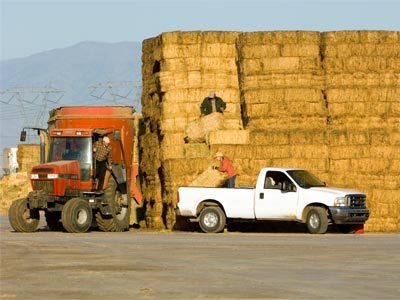

Figuring out what you can carry without damaging the suspension or voiding your warranty is not a complicated problem. This is basic arithmetic. However, to get the right numbers, you need to understand two specific metrics. If you guess, you are gambling.
The calculation formula is simple. Gross vehicle weight rating minus curb weight equals the available payload capacity.
Most people confuse these terms. They look at the towing capacity label and think they can carry it in the back seat. It’s not. Towing is pulling. Payload is being transported. Improper handling can lead to damage to the shock absorbers, uneven tire wear and increased braking distance.
Two numbers are required
Gross Vehicle Weight Rating (GVWR)
This is a hard ceiling. Manufacturers set this limit. This is not advice. This is the maximum safe operating weight of the vehicle when fully loaded.
This number is on a yellow or white sticker on the driver’s side door frame. If you lose the label, check the user manual. Although some online databases list it as such, the door jamb is the legal truth.
GVWR has it all. metal frame. engine. transmission. Fluids (coolant, oil, brake fluid). A full tank of gas. And all the passengers, the dog and the tool box in the bed or bed.
If you exceed this number, you will no longer be able to drive a qualifying vehicle. You’re driving a liability.
Curb Weight
This is the weight of the vehicle when you drive it out of the parking lot. This includes all necessary operating fluids and a full tank of fuel. This does not include passengers. It does not include cargo. Aftermarket modifications such as heavy duty bumpers and lift kits are not included unless specifically stated otherwise by the manufacturer.
This is a trap. Many hobbyists add weight to their rigs. Winches. Skid plates. Aftermarket wheels. These things add up quickly. When the weight of the vehicle changes, the payload decreases. You didn’t change the GVWR. Manufacturers don’t. This leaves less room for play.
Mathematics
Subtract vehicle weight from GVWR. The rest leave behind people, equipment and other things.
Let’s look at a real example.
Imagine a mid-sized truck. The door frame decal has a GVWR of 6,200 lbs. The manufacturer’s specifications list the vehicle at 5,200 pounds.
6,200 (GVWR) – 5,200 (vehicle weight) = 1,000 pounds of payload capacity.
This £1,000 is your total budget. Cover the driver. passenger. Children in the back. cooler. camping equipment. tool. If the driver and passenger weigh a total of 400 pounds, you have 600 pounds left for gear. Loading 800 pounds of gravel into the bed exceeds the load capacity. The truck can move. It may even stop. But it is not handled properly. The rear spring is compress to the stop. The front rises up. Control responsiveness is lost.
Payload is therefore more important than towing capacity for most daily drivers.
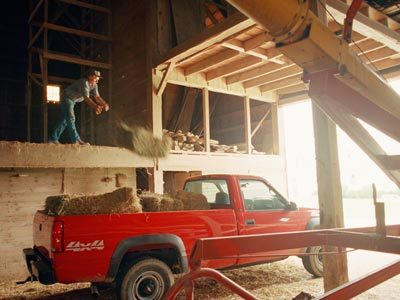
Think about what you are actually carrying. When you switch from a sedan to a pickup truck, the concept of “payload” changes dramatically. You don’t want to fit three sheets of drywall in a compact hatchback. In contrast, using a Class 8 semi-truck to transport bags of mulch from the Home Depot is a waste of time and fuel.
Trucks are built for mass. But before you decide what fits in the bed, you need to understand how the government defines the machine itself. In the US, trucks are grouped by several criteria, not just looks or engine size. They are legally controlled by the Gross Vehicle Weight Rating (GVWR). This is the maximum operating weight mandated by the manufacturer, including the vehicle itself, passengers, cargo and fuel.
The Department of Transportation divides these GVWR limits into eight different weight classes. This is a rigid framework. If you know your class, you can also know your limits.
| Weight Class | Maximum GVWR |
|---|---|
| Class 1 | 6,000 lb (2,722 kg) |
| Class 2 | 10,000 lb (4,536 kg) |
| Class 3 | 14,000 lb (6,350 kg) |
| Class 4 | 16,000 lb (7,258 kg) |
| Class 5 | 19,500 lb (8,845 kg) |
| Class 6 | 26,000 lb (11,793 kg) |
| Class 7 | 33,000 lb (14,969 kg) |
| Class 8 | Above 33,000 lbs |
These categories are directly related to the duty categories used by the DOT. This is a simple hierarchy. Classes one and two are light-duty trucks. These are standard pick-up trucks, vans and light commercial vehicles. Classes three through five belong to the medium-duty bracket. These are box trucks, straight trucks and larger commercial haulers. class six up through eight are heavy-duty territory. This includes tractor trailers, cement mixers and heavy construction rig.
It is important to know which category your rig belongs to. It dictates tire specifications, brake requirements and the weight that can legally be placed on the axle. If you drive a Class 3 truck, you aren’t just guessing the payload. The hard cap defined by that 14,000-pound GVWR.
“Knowing which of these categories your truck falls into will help you determine how much payload it can carry during your trip.”
This classification system is more than just a bureaucratic clutter. This is a safety boundary. Exceeding the GVWR not only voids the warranty; It snaps suspension components and the brakes become useless metal discs.
However, trucks are not the only vehicles with payload limits. We looked at the heavy lifters. Next, you need to understand how much your daily driver can actually handle without bottoming out.
Car payload
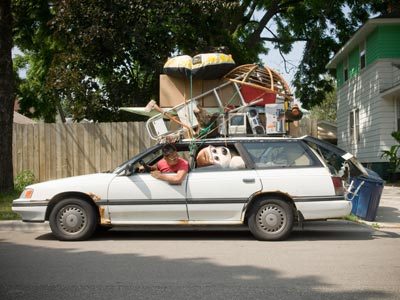
Truck drivers are especially important when it comes to payload. you don’t know. If you’re towing your family to the beach, it doesn’t count if your kids and cooler are over a certain weight limit. Cars usually have a smaller payload. They’re not designed to carry tons of cargo. Anything heavy enough to break the limits of the car may not fit in the back seat.
But you still have to think about it. Loading a car wrong ruins the ride. It affects braking. It messes with handling. This starts with the passengers themselves.
Passenger’s hidden weight
Manufacturers don’t just calculate the metal content. They counted the meat. Most car manufacturers use a standard 150 lb (68 kg) per person to calculate payload. This is the starting point. Real adults can be heavier. A real adult with luggage weighs more. However, this number is used for planning purposes.
Think of every empty seat as a weight bank. With the rear seats empty, the load capacity is 450 lbs (204 kg). Fill those seats, and that bank is empty. By equipping yourself with the right equipment, you can push your limits.
“Most car manufacturers are looking at £150 per person per seat.”
This is not just a theory. It’s engineering. Suspension is tuned for a specific load range. Underload? You might feel bouncy or disconnected. Overload? There is a risk of damage to shock absorbers, tire damage or worse. Platforms have to withstand a certain amount of stress before they start to show problems.
SUV loading capacity
You think an SUV has more room? It does. It also has a higher gross vehicle weight rating. But the physics remains the same. Weight distribution is more important than overall capacity.
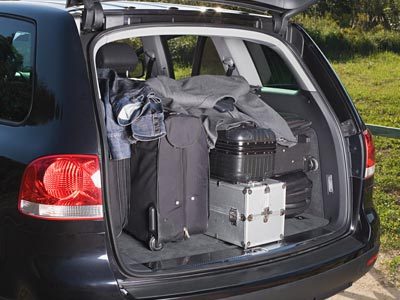
Carrying capacity doesn’t just mean how much stuff can fit in the back. This is a calculated limit.
Most people think of SUVs as a combination of practicality and comfort. It offers truck-like carrying capacity without compromising the driving comfort of a sedan. The reality is even more nuanced. The cargo capacity of an SUV is placed directly between a pick-up truck and a passenger car. It’s usually bigger than a car, but much smaller than a truck built for work.
It is flexible. In almost all modern SUVs, the rear seats can be folded down to create a flat and spacious storage space. This configuration handles larger and heavier gear better than the sedan’s trunk.
However, there is a downside.
Unlike pickup trucks, SUVs have roofs. Luggage may not be stacked higher than the window line. In addition, the physics involved should not be ignored. Treating an SUV like a utility vehicle is a recipe for disaster. The center of gravity is higher. Loading the vehicle significantly increases the risk of overturning.
Manufacturers noticed.
Consumer concern about instability has led to major safety upgrades. An electronic stability control system is standard. Law followed suit.
Since September 2004, the National Highway Traffic Safety Administration (NHTSA) has mandated the use of a specific label. Must be installed in the doorjamb on all vehicles with a gross vehicle weight rating (GVWR) of less than 10,000 lbs (4,536 kg). The label indicates the maximum weight of all passengers and cargo.
This is not advice. This is a strict legal restriction.
What does this mean for you? What if I don’t have enough daily driver? What happens if the something exceed the label limit?
Is it really possible to increase the loading capacity? Or are you just asking for trouble?
We will explain more about how upgrading your rig works in the next section.
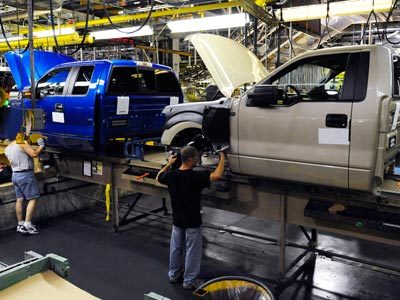
I checked the label. The payload capacity is fine for your gear. But then I see that truck. It has a coveted brand and an interior that doesn’t look like a dental clinic. The problem? Payload figures are tough. It may be too restrictive for your specific needs.
Can you squeeze more out of it?
Manufacturers know you think so. That’s why they developed the optional towing packages. These are more than just vanity signs. These are feature upgrades designed to improve your vehicle’s performance.
“Trucks equipped with a towing package can have a trailer wiring harness, heavy-duty hitch and safety chains.”
It’s not just about hauling. It’s about survival.
These kits often include larger motors. More efficient brakes. A better cooling system prevents the gearbox from heating up on long slopes. Some brands offer additional tools to improve grip stability. But here’s the problem.
If you ignore these restrictions, you are playing Russian roulette with your suspension.
It is dangerous to overload the vehicle. it hurts you. It can cause harm to passengers. This will make other drivers on the highway question your sanity. If you are pulled over by a state trooper and found to be carrying more than your gross vehicle weight limit (GVWR), you will receive a dangerous loading ticket. No one likes this conversation.
Acura Payload Limit
Acura isn’t about big trucks. They are more restrictive. You need to know the number before you load up the MDX.
2006 Acura Models
– MDX: No data available
– RL: No data available
– RSX: No data
– TL: No data available
– TSX: No data available
2007 Acura Models
MDX: 1158 lbs
– RL: No data available
RDX: 870 lbs
– TL: No data available
– TSX: 850 lbs
2008 Acura Models
MDX: 1158 lbs
– RL: No data available
RSX: 870 lbs.
– TL: No data available
– TSX: 850 lbs
2009 Acura Models
MDX: 1158 lbs
– RL: No data available
RSX: 870 lbs.
– TL: No data available
– TSX: 850 lbs
Other Acura specs: GVWR, GAWR, GCWR, Cargo Carrying Capacity, Curb Weight, towing capacity.
Audi Payload Limits
Audi’s luxury SUVs and sedans have strict payload caps. The A8 is holds up better than the compact TT.
2006 Audi Models
– A3: No information
– A4: No information
– A6: No information
– A8: 1213 lbs.
– S4: No information available
– TT: 728 lbs.
2007 Audi Modelss
– A3: No information
– A4: No information
– A6: No information
– A8: No information
– Q7: No information
– RS4: No data available
– S4: No information available
– S6: No data available
S8: 1213 lbs
2008 Audi Models
– A3: No information
– A4: No information
– A5: No information
– A6: No information
– A8: No information
– Q7: No information
– R8: No information available
– RS4: No data available
– S4: No information available
– S5: No information available
– S6: No data available
– S8: No data available
– TT: No information
2009 Audi Modelss
– A3: No information
– A4: No information
– A5: No information
– A8: No information
– Q7: No information
– R8: No information available
– S4: No information available
– S5: No information available
– S8: No data available
– TT: No information
Other Audi information: GVWR, GAWR, GCWR, Cargo Carrying Capacity, Curb Weight, towing capacity.
BMW Payload Limits
BMW drivers usually know their weight limits. The M6 and Z4M have a light on payload. The X5 and X6 can handle more.
2006 BMW Models
– 325: 1058 lbs
– 330: £1058
– 525: £1102
– 530: £1102
– 550: £1102
– 650: 838 lbs.
– 750: 1058 lbs.
– 760: No data available
– M3: No data
M5: 1058 lbs
– M6: 941 lbs
X3: 1025 lbs
– X5: No data available
Z4: 551 lbs
Z4M: 584 lbs
2007 BMW Modelss
– 328: 926 lbs
– 335: £1058.
– 525: £1102
– 530: £1102
– 550: £1102
– 650: 838 lbs.
– 750: 1058 lbs.
– 760: £1058.
– Alpina B7: No data available
– M5: No data
– M6: No data
– X3: No data available
– X5: 1113 lbs.
Z4: 551 lbs
Z4M: 584 lbs
2008 BMW Models
– 128: £882
– 135: £882
– 328: 926 lbs
– 335: £1058.
– 528: £1102
– 535: £1102
– 550: £1102
– 650: 838 lbs.
– 750: 1058 lbs.
– 760: £1058.
– Alpina B7: 1213 lbs.
– M3: 1014 lbs.
M5: 1058 lbs
– X3: 1036 lbs.
– X5: 1113 lbs.
– X6: 1190 lbs.
2006-2009 Chevrolet, Chrysler, Dodge, Ford, GMC Payload Specifications
If you’re pulling a trailer or hauling lumber, the payload capacity is more important than the engine size. Load capacity determines how much the truck can actually carry in the bed and cab before the suspension bottoms out. The data covers five major manufacturers from 2006-2009 model years.
Chevrolet dominates the heavy-duty segment with a huge payload. In 2006, the Silverado 3500 HD topped the list at 5,169 pounds. This figure remained stable for the 2007 and 2008 Classic Editions. In 2009, Chevrolet slightly updated the ratings for the Sierra and Silverado HD, raising the standard body 3500 HD to 3,873 pounds and the Classic to 5,169 pounds.
The 2006 Silverado 3500 HD offers one of the best payloads in its class at 5,169 lbs.
This figure is even more modest for half-ton trucks. The 2006 Silverado 1500 sat at 1,913 lbs. In 2007, that weight dropped to 1,658 pounds and hovered around 1,652 pounds in 2008 and 2009. Over the years, the Avalanche 1500 has fluctuated between 1,258 pounds and 1,444 pounds. Looking at SUVs, we find that the Suburban 2500 2500 had a maximum payload of 2,828 pounds in 2006, while the Tahoe had a maximum payload of about 1,835 pounds in 2007.
Chrysler’s selection is small. The PT Cruiser is the workhorse of compact car, weighing in at 1,907 pounds in 2007 and dropping to 889 pounds in 2008. Town & Country small wagons weighed around 1,200 pounds in 2007 and 2008, but dropped to a dash in 2009. The SUV stabilized. £1,500 in 2007, with the hybrid dropping slightly to £1,500 in 2008 and 2009.
Dodge trucks carry a lot of cargo. The Ram 3500 started at 4,660 lbs in 2006 and went up to 4,870 lbs in 2008. The Ram 1500 stayed around 1,750 lbs in its early years, but dropped to 1,490 lbs in 2009. Sprinter vans were surprisingly capable, with the Wagon 2500 hitting 4,824 lbs in 2006.
Ford’s E-series vans are payload monsters. The 2006 E 350 Super Duty has a payload of 4,165 lbs. It had a payload of more than 4,000 pounds through 2008, but dropped slightly in 2009. The F-Series trucks offer reliable performance. From 2007 to 2008, the F 250 weighed around 3,100 pounds, but by 2009 it had dropped to 3,030 pounds. The F 150 rose significantly in 2009 to £3,030 from £1,650 the previous year.
GMC matched Chevy’s heavy-duty numbers closely are very close to Chevrolet’s. The Sierra 3500 hit 4,658 pounds in 2006 and increased to 4,812 pounds in 2009. Canyon mid-size truck have dropped over time from 1,547 pounds in 2006 to about 1,422 pounds in 2009. The Yukon has a payload of 1,422 pounds in 2009. 1,592 pounds in later years.
| Year | Make | Model | Max Payload (lbs) |
|---|---|---|---|
| 2006 | Chevrolet | Silverado 3500 HD | 5,169 |
| 2006 | Chevrolet | Silverado 1500 | 1,913 |
| 2006 | Chrysler | PT Cruiser | – |
| 2006 | Dodge | Ram 3500 | 4,660 |
| 2006 | Ford | F350 | 4,000 |
| 2006 | GMC | Sierra 3500 | 4,658 |
| 2007 | Chevrolet | Tahoe | 1,835 |
| 2007 | Chrysler | PT Cruiser | 1,907 |
| 2007 | Dodge | Ram 3500 | 4,780 |
| 2007 | Ford | E 350 Super Duty | 4,200 |
| 2007 | GMC | Sierra 1500 | 1,952 |
| 2008 | Chevrolet | Silverado 1500 | 1,652 |
| 2008 | Chrysler | PT Cruiser | 889 |
| 2008 | Dodge | Ram 3500 | 4,870 |
| 2008 | Ford | F350 | 3,900 |
| 2008 | GMC | Sierra 1500 | 1,947 |
| 2009 | Chevrolet | Silverado 3500 HD | 3,873 |
| 2009 | Chrysler | Aspen | 1,600 |
| 2009 | Dodge | Ram 3500 | 3,560 |
| 2009 | Ford | F150 | 3,030 |
| 2009 | GMC | Sierra 3500 | 4,812 |
Why Payload Numbers Dropped Over Time
Manufacturers adjust ratings for emission devices, safety features, and chassis reinforcement. Adding catalytic converters, airbags and powerful braking systems adds weight to the vehicle. Carrying capacity is the total mass of the vehicle minus its own weight, so as the curb weight increases, the payload capacity decreases.
For this reason, declines in the mid-size trucks and small SUVs are declining. From 2006 to 2008, the Dodge Dakota’s payload was reduced by 120 pounds. The GMC Canyon’s payload capacity dropped 125 pounds over the same period. These are small changes, but they make a big difference in carrying passengers and cargo.
Actual payload is calculated
The numbers listed here are maximum values. By default, the basic model without options. Adding a sunroof, leather seats, a towing package or a heavy-duty alternator will reduce the actual cargo capacity. Each option adds pounds to the vehicle’s weight.
Check the sticker on the door frame. VIN specific GVWR and vehicle weight are listed. Subtract vehicle weight from GVWR. This is a real payload. If your truck is fully loaded, don’t rely on typical charts.
Which Trucks Carry the Most?
If you need maximum cargo space, choose the heavy-duty half-ton and 3/4 ton trucks. The Silverado 3500 HD and Sierra 3500 HD are the kings of this era. They can easily handle weights of over 4,000 pounds.
When it comes to vans, the Ford E-Series and Chevrolet Express are equal in terms of efficiency. In 2009, the Express 3500 hit 4,147 lbs. That same year, the Ford E 350 Super Duty carried 4,060 lbs. They are almost the same platform, just labeled differently.
What about small cars?
You don’t have to bother hauling it around in a Cobalt or Sebring. The payload rating is missing or has a very low value. The PT Cruiser is an exception. In some years it handled nearly 2,000 lbs. That’s impressive for a small wagon. However, most compact cars have negligible cargo capacity. You are carrying people, not pallets.
Towing vs. Payload
People confuse these two metrics. Towing capacity means the amount that can be towed. Carrying capacity means the amount of payload that can be loaded into the vehicle. The truck can tow 10,000 pounds, but only has a payload of 1,500 pounds. If your trailer tongue weighs 1,500 pounds and you put 500 pounds on the bed, you exceed the payload. The suspension sinks. Handling becomes dangerous.
Check the weight of the trailer. It should be 10-15% of the total weight of the trailer. If your truck has a capacity of 1,500 pounds and your tongue weighs 1,200 pounds, that leaves only 300 pounds for passengers and cargo. Not enough for a family trip.
The Hybrid Factor
Hybrid vehicles typically sacrifice payload due to battery weight. Tahoe
Payload is more than just a number in the specs. This is the limit. If damaged, the risk is suspension damage, brake failure and flat tire on the highway. Let’s look at the years 2006 to 2009. It was a transition period. SUVs are growing. The truck gets heavier. Luxury brands are trying to catch up with practicality.
Let’s look at the numbers.
Honda
Honda plays it safe. Most sedans don’t have a rated load capacity on their profile, which usually means it’s tight. The Honda Odyssey has its own unique personality.
In 2006 and 2007, the Odyssey had a payload of 1,349 pounds. It didn’t move. I stayed there from 2008 to 2009. If you’re hauling passengers and groceries in a 2008 Odyssey, you’ll have about 1,350 pounds of room once you hit the redline.
Ridgeline is our flagship product.
2006-2008: 1549 lbs.
2009: No data listed, but likely similar.
Pilot A little lower.
2006: 1322 lbs
2007-2009: 1322 lbs.
Wait, in 2006 it was 1322. In 2007 it was 1322. This is consistent.
The Civic is very light.
2006-2008: 385 lbs.
You cannot carry drywall in your 2007 Civic. It pulls backpacks and travelers.
Insight (2006) Only 400 lbs. Don’t think about it.
HUMMER
This brand is dying. But the truck still has power left.
H2 is a beast.
2006: No data.
2007: No data.
2008: 2200 lbs
2009: 2200 lbs
It’s so heavy. H3 Smaller, but still more than capable.
2006-2008: 1150 lbs
2009: £1,312
They increased the payload in 2009. Why? Maybe they reduced weight or strengthened the frame. H3T (2009) weighs 1090 lbs.
Modern
Hyundai works hard to build reliability.
2006-2008: Payload information is not listed for most models (Accent, Azera, Elantra, Santa Fe, Sonata, Tiburon, Tucson, Veracruz). This is very frustrating. This usually means that database information for that era is sparse or unconfirmed.
Genesis (2009) No data available.
Entourage (2007-2008) No information available.
Basically, if you’re looking for the latest payload data for this era, you’re probably out of luck unless you consult the owner’s manual.
Infiniti
Luxury crossover cargo capacities can be deceiving. FX35 and FX45 are very popular.
2006-2008: The FX35 has a weight capacity of 1183 lbs. The FX45 has a weight capacity of 1091 lbs.
2009: FX35 weight jumps to 1,213 lbs. The FX50 (new for this year) had a weight capacity of 1,185 pounds.
QX56 is a tank.
2006: 1440 lbs
2007: No data.
2008: 1553 lbs
2009: 1553 lbs
G35 and G37 sedans are light.
2008 G37: 1040 lbs.
2006 G35: 886 lbs.
Isuzu
Isuzu withdraws from the US market. But the Ascender and i-Series trucks are still going strong.
The i-280 (2006) weighs 1532 lbs.
The i-290 (2007) weighs 1532 lbs.
i-290 (2008) up to 1512 lbs.
Why? Are the exhaust systems or safety features contributing to the weight increase?
The i-350 (2006) weighs 1190 lbs.
The i-370 (2007) weighs 1516 lbs.
i-370 (2008) Weight reduced to 1260 lbs.
Volatility is very high here. Check the sticker on the door frame.
Ascender is very stable.
2006-2008: 1133 lbs.
Jaguar
British luxury. elegant. Vulnerable? perhaps.
X-Type (2006-2008) Capacity 1058 lbs. Continuous.
XF (2009) No information available.
XK Coupe is light.
2008 XK: 815 lbs.
2008 XKR: 772 lbs.
2009 XKR: 772 lbs.
2009 XK Coupe: 815 lbs.
Do not place heavy equipment inside the XKR. The supercharged engine and stronger brakes strain the payload.
Jeep
The Wrangler is practical. But it’s not the payload king.
2006: 800 lbs.
2007-2009: £1,000
Wrangler Unlimited (2008-2009) weighs 1000 lbs. 2009 weighs 1150 lbs.
The Grand Cherokee is tough.
2006: 1100 lbs.
2007: £1,050
2008-2009: £1,180
The Commander was in a good mood.
2006: 1620 lbs
2007-2009: ~£1300-£1310
The redesign reduced the payload by almost 300 lbs. This is a big blow.
From 2006 to 2009 Liberty had a weight capacity of 1150 lbs.
Kia
Kia makes decent cars.
The Rio (2006-2008) weighed 1,273 lbs.
Rio 5 (2006-2008) weighs 1200 lbs.
Sorento is the biggest.
2006: 1202 lbs
2007: £1,318
2008: £1,277
Sedona Minivans carry heavy loads.
2006-2008: 1532 lbs
Borrego (2009) is a monster. 1815 pounds
If you need to haul heavy loads in a Kia, buy the 2009 Borrego.
Land Rover
The LR3 is a powerful all-terrain vehicle.
2006: 1806 lbs
2007: £1,695
2008-2009: £1,325
why did it fall Air suspension? Has your body gotten heavier? This is important.
Range Rover (2006-2008) carries 1136-1360 lbs.
2008-2009: £1,136
Range Rover Sport is even lighter.
2006-2008: 1301 lbs
2009: £1,067
Lexus
Lexus shares a platform with Toyota. RX 350 is very popular.
2008-2009: 925 lbs
GX 470.
2006-2009: £1,329
LX 570 (2008-2009) weighs 1411 lbs.
ES 350 (2007-2008)
Mazda payload data (2006-2009)
The numbers vary greatly depending on what you drive. If you look at Mazda’s maximum payload capacity in the mid-2000s, the B-Series trucks hold their own. In 2006 and 2007, the B3000 topped the list at 1,680 lbs. The weight of the B2300 and B4000 remains stable at 1,260 lbs.
Passenger cars tell a different story. The weight of the Mazda5 minivan dropped slightly from 1,239 pounds in 2006 and 2007 to 1,191 pounds in 2008. The Mazda3’s payload capacity is not listed in this data set. This is likely due to the car-based architecture, which limits expectations for heavy loads. The Mazda6 can haul around 1,080 to 1,319 pounds, depending on year and trim. The performance MazdaSpeed6 weighs 963 pounds.
SUVs like the Tribute hover around 1,000 lbs. In fact, the 2008 Hybrid Tribute weighs 1,083 pounds more than the regular version’s 1,057 pounds. The RX-8 Sport Coupe weighs between 754 and 779 pounds. The MX-5 Miata is a lightweight roadster, weighing in at just 633-637 pounds.
“Payload is more than just weight. It is the limit before you compromise handling, braking, and safety.”
Mercedes-Benz payload specifications (2006-2009)
Mercedes doesn’t advertise much payload. I have to dig. Luxury cars such as the C-Class, S-Class and SL-Class show dashes. No data available. Why? Because they aren’t built for hauling. However, the SLR McLaren’s payload is surprisingly low at 342-626 pounds. Throw in a driver and a helmet and you’ll hit your limit.
The SUVs are where the muscle is. The ML350 and ML550 hold around 1,620 to 1,635 pounds. The rugged G500 weighed 1,289 pounds in 2007 and jumped to 1,764 pounds in 2008. The R-Class minivan/SUV crossover weighs between 1,365 and 2,000 pounds. Weight is the same for the GL450 and GL550 at 1,620 pounds.
AMG models consume the load faster. The ML63 AMG drops 1,257 pounds in 2007 and 1,300 pounds in 2009. The GL320 is even less, at 1,086 pounds. It is a trade-off. You get performance. You lose cargo space.
Mercury Payload Breakdown (2006-2009)
By 2009, Mercury was on the brink of extinction. Its specifications reflect the losing its edge of the brand. The Mountaineer SUV is the workhorse here. It starts at 1,549 lbs in 2006, but remained steady in the 1,443-pound range from 2007 to 2009.
The Mariner Crossover weighs approximately 1,059 to 1,075 pounds. The hybrid weighs only 920 lbs. This makes sense. Batteries are heavy. They consume the payload.
The Grand Marquis, Milan, and Montego show dashes. Payload is not listed. Sable returned in 2008 and 2009 with no data. as the division faded, Mercury seems to have stopped tracking and publishing this information. Monterey minivans can carry up to 1,320 pounds. Simple. Effective.
MINI Payload Specifications (2006-2009)
MINI is all about style. Payload is secondary. The Cooper hardtop has a weight capacity of 816 pounds. The weight of the convertible drops to 771 lbs. The structure has become lighter. The roof can be opened and closed. Weight is more important here.
The clubman started 2008 at 816 pounds. John Cooper Works (JCW) versions (Hardtop and Clubman) also hit 816 lbs. You might think that improving performance would lower the limit. They don’t. But engine stress is real.
2009 data includes JCW models only. There is no Standard Cooper in this particular snapshot. It feels unfinished. Maybe MINI stopped tracking them. Or maybe your source just missed them.
Mitsubishi Payload Specifications (2006-2009)
Mitsubishi has surprising numbers. Raider pickups are dominant. Holds up to 1580-1590 lbs. That is serious for a compact truck. The Outlander SUV fluctuates wildly. In 2007 it reached 1,538 lbs. Then it dropped to 904 lbs in 2006 and 1,169 lbs in 2008. The inconsistency is odd.
Galant sedans weigh between 937 and 981 pounds. The Lancer weighed 1,157 pounds in 2008 and 2009. The Eclipse Coupe stabilized at 794 pounds, but jumped to 827 pounds in 2009. The Endeavor SUV weighed 1,055 pounds in 2006 and 2008 models.
The Montera is missing from the later years. It likely got replaced or discontinued. The data ends in 2006.
Nissan Payload Specifications (2006-2009)
Nissan has the Titan. This truck is a beast. The Titan weighed 1,490 pounds in 2007 and jumped to 2,063 pounds in 2008 and 2009. That’s a significant increase. The frame and suspension may have been modified.
The weight of the Armada SUV dropped from 1,693 pounds in 2006 and 2007 to 1,453 pounds in 2008 and 2009. The Pathfinder continues to improve over time. It started at £1,424 and reached £1,554 in 2008 and 2009.
The 350Z has a limited to 553 lbs. The 2009 GT-R has no cargo capacity listed. Probably too performance-focused. The Altima and Altima Hybrid were introduced in 2007 and 2008 and weighed between 1,053 and 1,240 pounds. The Versa has no data. It is too small to matter in this context.
The Rogue enters in 2008 at 953 pounds. Centra deteriorates over time. In 2006 it was £1,036. In 2008, I weighed 652 kilos. Why? Maybe they added a security feature. Or the information is just scarce.
Pontiac Payload Specifications (2006-2009)
Pontiac almost disappeared. The G6 has a strange marking. In 2006 it was £3,117. This was followed by 2007, 2008 and 2009. The first number is huge. Is that a typo? Or does it also include the weight of the car? No, the payload is cargo + passengers. £3000 for a saloon is out of the question. It must be a data error. Or GVWR may have been included incorrectly.
Torrent SUV is consistent. In 2006 and 2007 it was £1,468. In 2008 and 2009 it dropped to £1,410. The Vibe is a duplicate of the Toyota Matrix and has no numbers. No information is available for the Solstice Roadster. No data for G5 and G8.
Pontiac doesn’t matter anymore. or stop tracking. Lines are everywhere. It feels like the end of an era.
Porsche Payload Specifications (2006-2009)
Porsche is precision. The Cayenne SUV weighs 1,731 pounds for the 2006 and 2008 models. Then in 2009 it rose to £1,841. A new generation? Stronger frame.
The 2009 911 Carrera weighs 915 pounds. boxster
Payload isn’t just a number on a sticker. It’s the hard limit of what you can legally and safely carry in your vehicle. Once you hit that weight, you’re playing with suspension geometry, braking distance, and tire integrity. The following data covers the maximum payload capacity for specific makes and models from 2006 to 2009.
Pay attention to the gaps. A dash means no specific payload figure was listed in the source data for that model year, often because the vehicle wasn’t sold, wasn’t available in that market, or the data point is simply missing from the records.
Saturn Payload
Saturn was fighting for relevance in the mid-2000s. Their lineup was small. The Relay minivan was their workhorse. The VUE crossover had decent utility. The Ion and Sky were niche sports/hatchbacks with almost zero payload utility.
2006
The Relay could handle 1350 lbs. The VUE followed with 1331 lbs. The Ion had no listed payload rating, likely due to its small footprint and lack of heavy-duty variants.
2007
The Aura sedan came in at 1009 lbs. The new Outlook crossover pushed that to 1678 lbs. The Relay stayed strong at 1354 lbs. The VUE Hybrid managed 1511 lbs, beating the gas version slightly due to battery placement optimization in some configurations or simply different weight distribution accounting. The Sky had no rating.
2008
The Astra appeared with a modest 893 lbs. The Aura held steady at 1009 lbs. The Outlook remained at 1678 lbs. The VUE dropped significantly to 1000 lbs. The VUE Hybrid also dropped to 1111 lbs.
2009
The Astra was dropped. The Aura stayed at 1009 lbs. The Outlook increased slightly to 1709 lbs. The VUE and VUE Hybrid stayed flat at 1000 lbs and 1111 lbs respectively. The Sky and standard Ion had no ratings.
Scion Payload
Scion was Toyota’s youth division. The data here is sparse. Most models show no listed payload capacity in the source records, which is odd for a brand built on customization and utility.
2006-2009
The tC, xA, xB, and xD models all appear with dashes for payload across these years. The only exception might be implied through related specs not listed here, but the raw payload number is absent.
smart Payload
The smart fortwo is a city car. It is not built for cargo.
2008
The fortwo has a max payload of 463 lbs. That’s barely enough for two adults and a grocery bag. Don’t try to use it as a delivery vehicle.
Subaru Payload
Subaru vehicles are known for all-wheel drive and ruggedness, but payload capacity varies wildly by body style. The Tribeca was heavy. The WRX STI was light on payload due to performance weight.
2006
The B9 Tribeca handled 1560 lbs. The Baja pickup was rated for 1070 lbs. The Forester sat at 1060 lbs. The Impreza Sedan was light at 955 lbs, while the Wagon managed 995 lbs. The Outback Sport did better at 1132 lbs. The WRX STI was the least capable at 794 lbs. The Legacy Sedan carried 1200 lbs, and the Wagon 1300 lbs. The standard Outback was rated for 1245 lbs.
2007
The Tribeca held at 1560 lbs. The Forester dropped to 1010 lbs. The Impreza Sedan and Wagon stayed at 955 and 995 lbs. The Outback Sport remained 1132 lbs. The Legacy Sedan dropped to 1055 lbs. The Wagon stayed near 1290 lbs. The Outback dropped significantly to 995 lbs.
2008
The Forester held at 1010 lbs. The Impreza Wagon was 976 lbs. The Sedan dropped to 856 lbs. The Outback Sport was 1082 lbs. The WRX STI improved to 1080 lbs. The Legacy stayed at 1055 lbs. The Outback rose slightly to 1085 lbs. The Tribeca plummeted to 660 lbs.
2009
The Forester saw a big jump to 1230 lbs. The Legacy stayed at 1055 lbs. The Outback was 1078 lbs. The Tribeca remained at the low 660 lbs.
Suzuki Payload
Suzuki was exiting the US market soon after this period. The XL7 was their largest offering. The SX4 was the crossover contender.
2006
The Aerio handled 955 lbs. The Forenza managed 981 lbs. The Grand Vitara did 1175 lbs. The Reno was 941 lbs. The XL7 handled 1168 lbs. The Verona had no rating.
2007
Most models show dashes. The XL7 jumped to 1626 lbs. This seems like an outlier or a specific trim/configuration rating, as it’s significantly higher than previous years.
2008
The Forenza dropped to 926 lbs. The Grand Vitara was 1178 lbs. The Reno stayed at 926 lbs. The SX4 managed 893 lbs. The XL7 held at 1626 lbs.
2009
The Equator had no rating. The Grand Vitara had no rating. The SX4 stayed at 893 lbs. The XL7 had no rating, despite the 2008 figure.
Toyota Payload
Toyota is the benchmark. The data here is robust.
2006
The 4Runner handled 1285 lbs. The Avalon sat at 1075 lbs. The Camry was 1059 lbs. The Corolla managed 1055 lbs. The Highlander was a beast at 1840 lbs. The Highlander Hybrid was 1605 lbs. The Land Cruiser handled 1500 lbs. The Matrix did 1166 lbs. The Prius managed 1085 lbs. The RAV4 held 1130 lbs. The Sequoia did 1510 lbs. The Sienna managed 1570 lbs. The Tacoma handled 1540 lbs. The Tundra was rated for 1835 lbs.
2007
The 4Runner held at 1285 lbs. The Avalon dropped slightly to 1070 lbs. The Corolla stayed at 1055 lbs. The new FJ Cruiser managed 1280 lbs. The Highlander increased to 1844 lbs. The Highlander Hybrid held at 1605 lbs. The Land Cruiser stayed at 1500 lbs. The Matrix was 1166 lbs. The Prius dropped to 863 lbs. The RAV4 held 1130 lbs. The Sequoia stayed at 1510 lbs. The Sienna dropped to 1420 lbs. The Tacoma held 1540 lbs. The Tundra dropped to 1470 lbs. The Yaris had no rating.
2008
The 4Runner held at 1285 lbs. The Avalon was 1075 lbs. The Corolla stayed at 1055 lbs. The FJ Cruiser held 1280 lbs. The Highlander dropped to 1821 lbs. The Highlander Hybrid dropped significantly to 1427 lbs. The Land Cruiser increased to 1585 lbs. The Matrix was 1166 lbs. The Prius held at 863 lbs. The RAV4 stayed 1130 lbs. The Sequoia dropped to 1280 lbs. The Sienna held 1420 lbs. The Tacoma dropped to 1415 lbs. The Tundra held 1470 lbs. The Yaris had no rating.
2009
The 4Runner held at 1285 lbs. The Avalon was 1075 lbs. The Corolla jumped to 1113 lbs. The FJ Cruiser increased to 1325 lbs. The Highlander


