


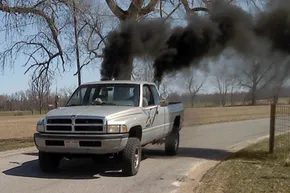
It started as a competition for heavy haulers. Drivers of heavy diesel trucks gather at the county fair to compete to see who can pull the heaviest load the farthest. This is a niche hobby. A closed loop. The enthusiasts kept to themselves.
Then the kids started watching.
They noticed something interesting in the smoke. A thick black cloud made of spent fossil fuels. They noticed who was reacting as the clouds rolled by. Liberals are angry.
This realization changed everything. Rolled coal moved from dirt roads to public roads. The goal wasn’t hauling anymore. The purpose is provocation.
Provocation mechanism
Coal rolling is simply a weapon of physics. The driver pushes more diesel into the engine, preventing the engine from burning properly. They time the release to maximize visual impact. This has nothing to do with efficiency. It’s all about volume.
The targets are specific. An environmentally friendly car. The Toyota Prius takes the brunt. Why? This is because drivers are perceived as liberals. It is assumed that it is these drivers who are most offended by the display. It’s a calculated insult wrapped in exhaust fumes.
This is illegal on public roads. The Clean Air Act prohibits vehicles from emitting too much smoke. But enforcement is a different story.
Truck modification
Mods vary, but they all break one main rule. The diesel particulate filter is removed (DPF). This filter traps impurities. Without this, the engine spews raw exhaust. This violates Environmental Protection Agency (EPA) regulations.
The EPA has clear on the health risks. Chemicals in smoke can cause severe asthma. They exacerbate existing heart and respiratory conditions. They can even cause death. Black carbon emissions are among the most toxic airborne contaminants. They are also a major driver of climate change.
The statistics are grim. Diesel toxins cause 21,000 premature deaths each year.
Some states have established hotlines to report excessive smoke. Texas can impose fines of up to $350. It’s a small price to pay for this thrill.
Why is it Rarely Immediate?
There are Consequences are scarce. Why? Because the enforcement happens at the manufacturing level. It is illegal to manufacture, sell or install parts that override federal emissions controls. The EPA calls these “defeat devices.”
A defeat device can be a computer chip. Or a software upgrade. It changes ignition timing. The EPA admits these devices aren’t designed to violate emissions regulations. This is just a side effect. The desired benefit is engine performance. The broken emissions are collateral damage.
The Environmental Protection Agency does not patrol highways in squad cars. They prosecute cases where “significant or imminent harm” has occurred. That’s a high bar.
Gasoline car owners install similar upgrades. Side effects can be measured with testing tools. They are just invisible. They are not intended to be used as political statements.
Coal rolling is visible. This is a statement.
History behind the smoke screen
This phenomenon has its roots in trucking culture. Not the modern version of social media. The older, grittier kind.
In the early days of diesel engine modification, the focus was on torque. And hauling. The biggest trucks won respect on the hauling circuits. They pulled the most. They last the longest.
But visibility is important. A truck pulling a house still looks like a truck pulling a house. A truck emitting black smoke? This is a statement. It said, “Look at me.”
The transition from hauling to hazing is gradual. This requires a change in mindset. Hauling was functional. Rolled coal has high performance.
Who targets whom?
The goals are well thought out. The Prius driver is the main antagonist of the show. Let’s say you have a political alliance. Smoke is an accusation. “Your green choices are hypocrites in the face of my raw, unfiltered power.”
This is a clash of ideologies. On the other hand, durability is emphasized. The other focuses on superiority. The medium is black smoke.
The legality is clear. Morality is debatable. Enforcement is minimal.
And the smoke continued to rise.
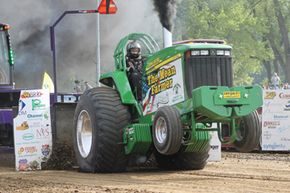

The storm clouds swirling over the modified diesel are more than just an aesthetic sensation. In a sanctioned match, smoke is the release of pure, unadulterated power. This is a visual proof of the huge boost pressure and the generous amount of fuel. But the meaning changes when the event stops being a competition and starts turning into a performance in front of the camera. Drivers can trigger those plumes on command. This is dramatic. It’s lovely. The situation is now chaotic.
The border between sport and spectacle
Truck towing is still a key part of diesel hobbyist culture. An important change is made here. It’s not just about adding horsepower. You are designing a machine that can drag a multi-ton sled down a dirt ramp. Speed is not the only goal. This is torque. This is the distance. The drivers hook up to heavy sleds weighing several tons and pushes it until the tires lose traction or the engine explodes.
The smoke? It’s a byproduct. A side effect of squeezing every last drop of efficiency of the compression combustion process. But for the casual viewer, the most important thing is the smoke.
This distinction is becoming important. The coal rolling trend are blurring the lines. It’s no longer a matter of how far you can pull. It’s about how much smoke can be produced in the parking lot. This change created a division. Serious competitors are desperate to stand out from the party crowd.
The Outlaw’s Dilemma
Take, for example, the Outlaw Truck and Tractor Pulling Association. They have been in business since 1982. For over 40 years it has been full of dirt, grease and competition. In the Midwest, they organize dozens of events every year, from the thaw of spring to the cold of autumn. The number of members has increased by at least 10 people in each of the last three years. Steady and reliable growth.
Their website emphasizes safety. It emphasizes sportsmanship. We emphasize respect for the venue. But public perception is changing. The negative press surrounding coal rolling bleeding into the broader truck pulling community.
Why? Because the smoke looks the same.
To an outsider, a heavily modified Dodge Ram pulling a sled and one doing donuts doing donuts in a field. Both emit dark black exhaust gases. Both are noisy. Both are destructive. The difference is the purpose. One is sports. The other is a stunt. But the visual overlap is too great to ignore.
The Hashtag Problem
Social media has changed the game. Truck towing is a local activity. This is temporary. It’s contained. Coal rolling is global. It’s viral. Designed to be edited, shared and laughed at. The hashtag #CoalRolling is more than just a hashtag. It’s a brand. And this brand is toxic.
Competitors do not want to be associated with reckless driving. They don’t want their company to be seen as the cover for juvenile behavior. It is now the duty of conscientious drivers to prove that they are not contributing to the problem. They need to be more responsible. More visible. It has become more transparent.
It’s not enough to just race well. You must behave well.
The future of Diesel Cool
Diesel culture is at a crossroads. The technical side is stronger than ever. Modern diesel engines are more powerful, efficient and advanced than ever before. However, people only see smoke. They see the mess. They saw the noise.
The coal rollers are winning the
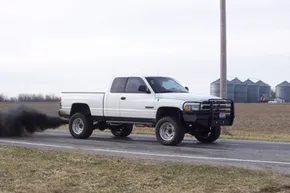
It’s very messy. It’s not a commute that deliberately chokes on air. It’s about waste. Waste of fuel. The air was wasted. The only real fuel left is the ego boost that comes from watching strangers lose their minds online. Some admit it started in the teenage years. You’re still young, so you don’t have to worry about fines. They are old enough to know how to break the rules.
The engine here is social media. Facebook group. YouTube channel. The Tumblr page is full of black soot. they did not hide. they are broadcasting. Our goal is not only dirty cars. The goal is to get caught. To get clicks. Stir the political pot until it boils.
Digital smoke signal
Facebook and YouTube are the main hubs. Thousands of followers. Tens of thousands. The content is very simple. smoke. Laughter. Political contempt. It’s a feedback loop. You are sending a video. You can get comments. you are angry You sent it again
Hashtags do the heavy lifting. #brownin. #Farmboy. #country. These identifiers mark the type, area and attitude of the vehicle. This is a special flavor of Detroit Pride. Or whatever suits the truck owner’s pride. The Internet connects them. The smoke just makes it visible.
Visibility is a bad idea
The license plate is the giveaway. This can be seen in the viral clip. It’s there. Think you’re anonymous. You don’t.
Coal rolling is illegal. The EPA is not ignoring particulates. But the danger is imminent. This is more than just a law. It’s the road. Blowing black smoke blinds drivers. It blocks your view. Aggressive driving to create that cloud is a recipe for a crash.
The police saw it too. Not always. But sometimes. A ticket for reckless driving. Emission fines. The risks are real. EPA is understaffed. Even “Dukes of Hazzard” got away with it. The internet remembers. Internet records. You uploaded the evidence. You asked for it.
Factories, trains, Ocean Liners, pickup trucks
The discussion always comes back to scale. Pickup trucks are small. Factories are big. Trains are huge. Ocean liners are massive.
This comparison is incorrect. Smoking cars are a nuisance. Factories that emit large amounts of carbon dioxide every day are a systemic problem. Focusing on passenger cars allows us to take the focus away from industry regulations. It’s a diversion.
But the anger feels personal. The smoke is in your face. The smell is in your lungs. The visibility is definitely there. You can’t take your eyes off it.
Is it worth it? The thrill? The attention? What are the legal risks? Environmental costs?
The smoke cleared. The video remains.
Environmentalists want lower aerodynamic drag and higher MPG ratings. Coal rollers drive in the opposite direction. They spend thousands of dollars to maximize particulate emissions. The engine must be a diesel engine. You can’t run coal in a gasoline setup. No matter how much you tune it, the gasoline engine does not produce the same viscous, black clouds. Smoke is actually unburnt fuel particles. Gasoline vapor is too clean. It’s not black enough. That’s not offensive enough.
But you can’t expect to start a war just by driving a stock diesel truck. The pulling community knows this. You need hardware to actually roll coal. The goal is simple. Force extra fuel into the combustion chamber. Inefficient combustion. Puff it out. Smoke is a status symbol. Eyewitnesses saw black plume and thought they meant raw power. They were wrong, and this perception still holds.
Color is important. The thicker the smoke, the more unburned diesel fuel it contains. The more unburnt diesel, the better the show. You have to buy something to go there.
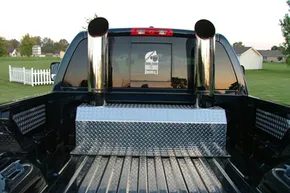
A Stock exhaust pipes is for those who don’t care. If you want to draw attention, you need to a vertical stack. A chimney-style exhaust stacks mounted in the bed is standard. They spray smoke upwards. Make your truck look aggressive. They turn vehicles into moving smoke signals.
The price of black smoke
The estimated cost of the change is between $500 and $5,000. Prices vary depending on how deep you go.
The first method is difficult. This is the show line. You can learn from truck drivers. Change the engine to get a significant power boost. Black smoke is just a byproduct of this power. This route requires the engine to be started. The most effective change is to install larger nozzles. More fuel enters the cylinder. The engine smoke is getting worse.
This is not a plug and play job. Custom adjustment required. More changes need to be made. Simply changing injectors without a consistent plan will make your truck run poorly. It might not start. That’s best left to the professionals. Motorsports personnel are typically responsible for this type of work.
Cheap tricks to get as much attention as possible
No need to start the engine. Get rid of all the fumes without using horsepower.
A motor tuner is the easiest way. This device, also called a programmer, is located between the computer and the engine. The system is filled with extra fuel. The engine has no options. Burn what you are given. There will be smoke. It doesn’t make the truck faster. It just makes it louder and dirtier.
If you want instant gratification, look for a smoke switch. This is a DIY project. It is very cheap. This can trick the engine into overfilling. Flip the switch. The engine drains the excess diesel fuel. Dark clouds are gathering. Save money on engine work. Spend that money on diesel.
Legal realities
“The rolling of coal on public roads is illegal because it violates the Clean Air Act.”
Is coal rolling legal? No. This hobby is prohibited on public roads. That smoke violates the Clean Air Act. You might get into trouble. The EPA doesn’t care about your ego. They care about particles.
Why do people do this? This is a shooting game. Coal Roller drives environmentally friendly cars. The biggest victim was the Toyota Prius. Lawyers think Prius drivers are liberals. They believe that these drivers are more vulnerable to pollution. This is a culture war on wheels.
What does rolled coal mean? It means that more diesel fuel is pumped into the engine and cannot be burned as efficiently. Excess fuel is released as black exhaust gas. This violates federal law. This is a symbol of wealth and ignorance.
Why is this important now?
The shame is real. Rolled coal has become synonymous with anti-environmentalism. This is not just a truck issue. It’s about the message. The message is that you don’t care about the air you breathe. You care about attention.
The hardware is easy to find. Not legally. If you live in a state with strict emissions testing, you’re out of luck. For example, California has zero tolerance for such things. You fail the exam. You have to pay a fine. You get a ticket.
Is it worth it? For some it is. Smoke is their reward. The reaction of others is the reward. For others, it’s just pollution. Air quality is deteriorating. The pedestrian suffered a lung injury. The earth has become even worse.
But the trucks kept coming. The stack continues to grow. The smoke continued to rise.


