Toyota talked about solid-state batteries for a decade. Honda turned the key.
In January 2025, Honda activated a solid-state battery demonstration line in Sakura, Japan. It wasn’t a press release. It was machinery running. This move puts Honda solid-state battery production ahead of nearly every competitor still stuck in prototype limbo or vague timelines.
The industry treated these batteries like a pipe dream. Or a turbine car fantasy. Honda treated it like a manufacturing problem. And they solved it.
Why Honda beat Toyota to solid-state production
Toyota started the hype train. Honda actually laid the tracks.
Most automakers announce factories with soft openings. Honda built a 295,000-square-foot facility in Tochigi Prefecture. They invested 43 billion yen—roughly $287 million. Part of that came from Japan’s Green Innovation Fund. But the real differentiator wasn’t money. It was speed.
The building roof went up in spring 2024. Before it even stood for a year, Honda installed the manufacturing tools.
“It cannot be emphasized enough: Honda is actually preparing to produce rather than merely issuing statements.”
This isn’t a full-scale mass-production plant. Not yet. It is a validation line. A test for scale. No other company had an operational solid-state cell factory when Honda flipped the switch. That gap matters.
How roll-pressing solves density issues
Here is the hard part of making Honda solid-state batteries.
Liquids flow. Solids do not.
Traditional lithium-ion batteries use liquid electrolytes. They conform to space. Solid-state batteries use powdered electrolytes. Powders have gaps. Air gaps. Electricity hates air. Unless it wants to arc. Which melts your car.
Honda’s solution? Press it. Hard.
Their Honda solid-state battery manufacturing process uses a roll-press technique. It stamps the cells together. This squashes the air pockets. The solid electrolyte makes tight contact with the electrodes.
Density increases. Energy efficiency jumps.
Roll-pressing is faster than welding. It cuts assembly time. It also simplifies cooling. Solid-state batteries hate heat less than lithium-ion cells. You don’t need complex cooling systems. Just a light touch. That means lighter batteries. More range. Less hassle.
Can you fix dendrite formation in EVs?
Dendrites are killers.
They are sharp lithium crystals. They grow when metal expands and contracts. They pierce the battery internals. They short circuit. Your battery dies.
Honda added plastic.
A thin polymer sheet sits where the dendrites try to sprout. It blocks the lithium from touching the electrode directly. No contact means no growth. The battery lives longer.
It seems simple. That’s the trick. It works. The plastic barrier doesn’t last forever. But it buys years of life. Years of charging. Years of driving without swapping packs.
Who will use Honda’s solid-state batteries?
Honda makes engines for everything. They intend to do the same with power units.
Cars. Yes. Trucks. Sure. But also aircraft. Boats. Power tools. Even deep-space equipment if you go back far enough in history. The company views itself as a power provider first. A car company second.
This Honda solid-state battery application strategy is bold. They want scale. Scale drops cost.
Samsung wants to sell solid-state batteries only in luxury cars. Honda disagrees. They want to flood the market. If they produce enough, the price drops. Economics 101. It’s a gamble. Nobody has bought a car with this battery yet. Honda is spending anyway.
Is range anxiety solved by 2025?
TopSpeed readers say range is the #1 EV barrier. Honda agrees.
Solid-state projections hit 500 miles minimum. Many forecasts land between 600 and 900 mile electric car range. That beats a tank of gas on most sedans.
Charging time improves too. Solid-state cells handle fast charging better than liquid ones. They resist thermal degradation. You can top off an electric car battery technology upgrade in the time it takes to pump gasoline.
This fixes the “convenience” argument against EVs.
The risk behind the EV pause
Honda isn’t invincible.
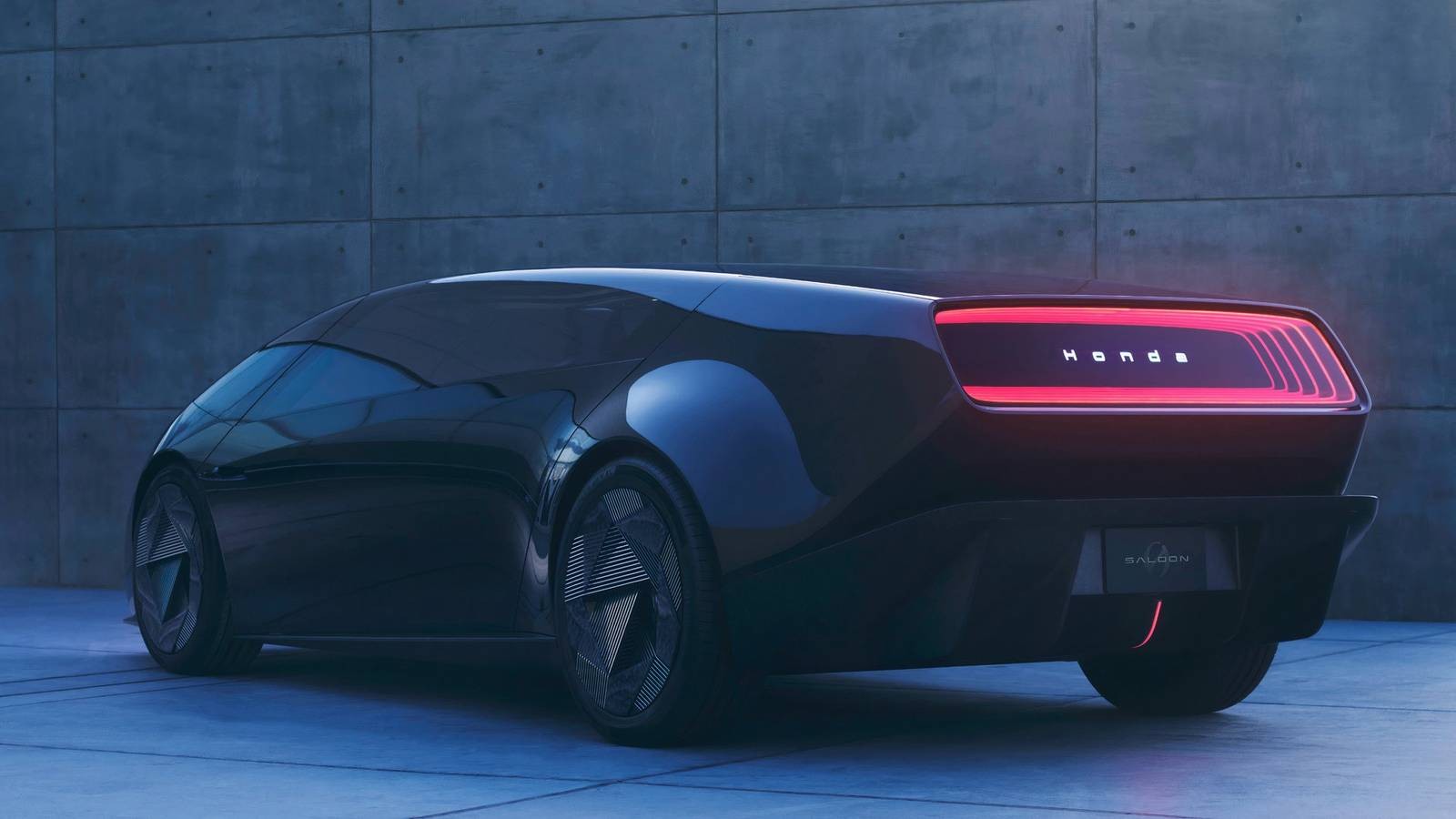
Their EV sales are… quiet. The Prologue? Ending after 2026. Sony Honda Mobility? Sidelined. The 0 Series? Pushed back. No pure Honda EV exists right now.
This pivot feels dangerous. If Honda EV strategy falters, they lose relevance. The Prologue shared DNA with the Chevy Blazer. It was good enough. Not thrilling.
Honda needs the solid-state breakthrough to work. Fast. If they mass-produce these cells by the promised timeline, they return with a weapon competitors can’t match. If they stall? They fade.
Why carbon neutrality drives the tech
Honda plans to sell only battery and fuel-cell cars by 2040.
This isn’t PR fluff. Honda won America in the 70s with efficient, fun compacts while Detroit sold econoboxes. They know engineering sells.
The 2040 deadline forces action. Honda electric vehicle future depends on ditching gas entirely. Solid-state batteries enable that shift. They solve range. They solve charging. They solve cost—eventually.
President Keiji Otsu calls it a “game changer.” Everyone does. But Honda built the machine. The others still wrote the memo.
Will it scale? We don’t know.
But the machines are running. In Sakura. While others wait, Honda presses forward. The batteries get denser. The dendrites get blocked. The timeline shrinks.
If the plastic holds, Honda owns the next decade.