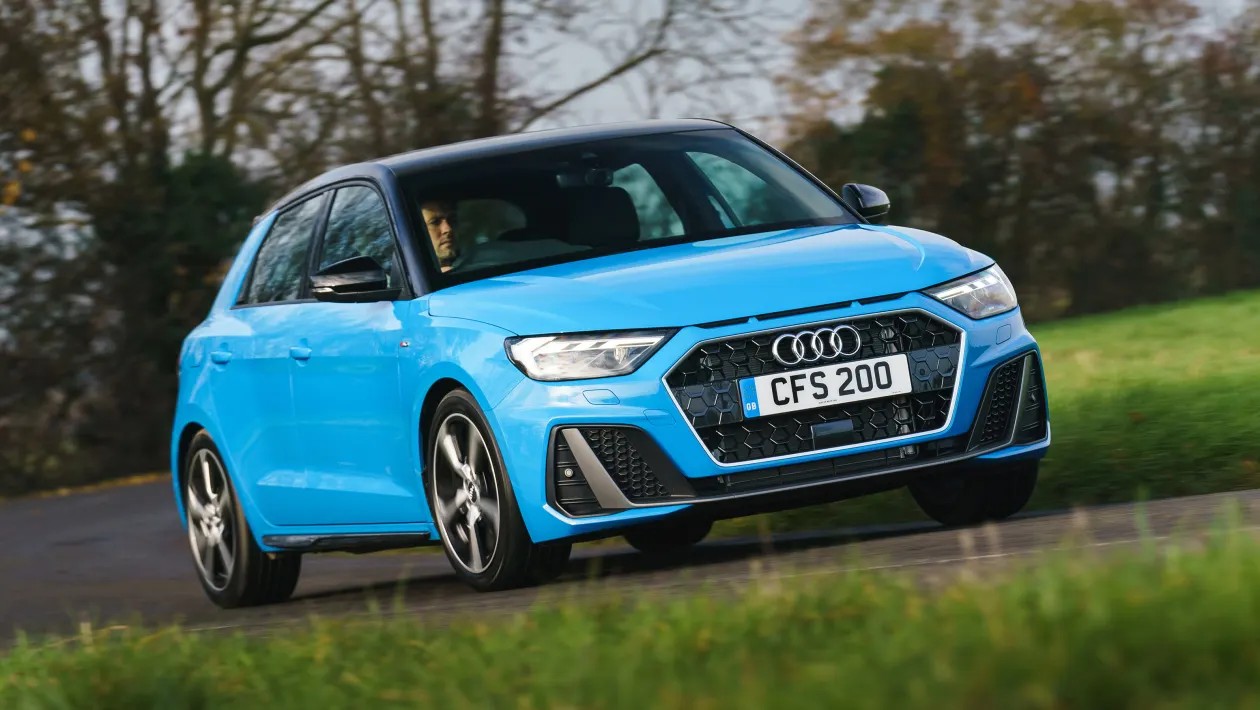
Audi здійснює масштабну структурну перебудову своєї модельної лінійки. Виробник офіційно припинив випуск двох моделей, що давно зарекомендували себе: суперміні Audi A1 і кросовера Audi Q2.
Це рішення знаменує собою кінець цілої епохи для даних моделей, на частку яких у сукупності припадало приблизно від 15% до 20% щорічних реєстрацій Audi у Великобританії. Прибираючи з модельного ряду ці автомобілі початкового рівня, Audi чітко дає зрозуміти: компанія йде з сегментів з великими обсягами продажів, але низькою маржою, у бік більш прибуткових преміальних пропозицій.
Кінець епохи A1 і Q2
Припинення виробництва торкається двох абсолютно різних сегментів ринку:
Audi A1: Преміальний суперміні, представлений на ринку 16 років тому. Незважаючи на те, що друге покоління дебютувало у 2019 році, за останні роки модель не зазнавала значних оновлень.
* Audi Q2: Компактний кросовер, що став невід’ємною частиною лінійки з 2016 року. За десятиліття свого існування модель отримала кілька незначних оновлень, але так і лишилася в рамках одного покоління.
Виробництво A1 завершилося в Інгольштадті (Німеччина), а виробництво Q2 – у Барселоні (Іспанія). Хоча нові замовлення на ці моделі більше не приймаються, споживачі все ще можуть знайти залишки на складах різних дилерських центрів, часто з значними знижками.
Стратегічний розворот у бік висококласних моделей
Цей крок не є поодиноким випадком, а є частиною ширшої тенденції Audi щодо оптимізації свого портфоліо. Бренд все більше фокусується на великих та дорогих автомобілях, які приносять більш високий прибуток із кожної проданої одиниці.
Ця тенденція підтверджується іншими недавніми та майбутніми змінами:
– Догляд A8: Раніше в 2026 році Audi скасувала випуск свого флагманського лімузина A8.
– Розквіт SUV: Щоб захопити ринок висококласних авто, Audi робить ставку на свої сімейства кросоверів. Сюди входить оновлений Q7, який вийде наприкінці цього року, і довгоочікуваний Q9 – великий трирядний позашляховик, який стане новим флагманом бренду.
Що далі? Перехід на електрику
Відмовляючись від традиційних автомобілів початкового рівня з двигунами внутрішнього згоряння (ДВС), Audi готується заповнити нішу, що звільнилася, електричними альтернативами.
Найпомітнішою подією є очікуване повернення назви A2. За чутками, нова A2 буде не класичним хетчбеком, а електричною моделлю, яка використовує компоненти Volkswagen ID.3 Neo. Також є ознаки того, що може бути розроблений електричний наступник Q2, який займе місце між новою A2 і більшим сімейством електрокросовер Q4 e-tron.
Цей перехід відбиває загальносвітову тенденцію у промисловості: виробники відмовляються від невеликих доступних машин на користь високомаржинальних електромобілів (EV), орієнтованих більш заможну аудиторію.
Висновок
Поступово виводячи з експлуатації A1 та Q2, Audi звужує фокус уваги до більш прибуткових сегментів та готується до електричного майбутнього. Бренд робить ставку на те, що модельний ряд, у якому домінують преміальні позашляховики та спеціалізовані електромобілі, буде стійкішим, ніж підтримка масових моделей початкового рівня.