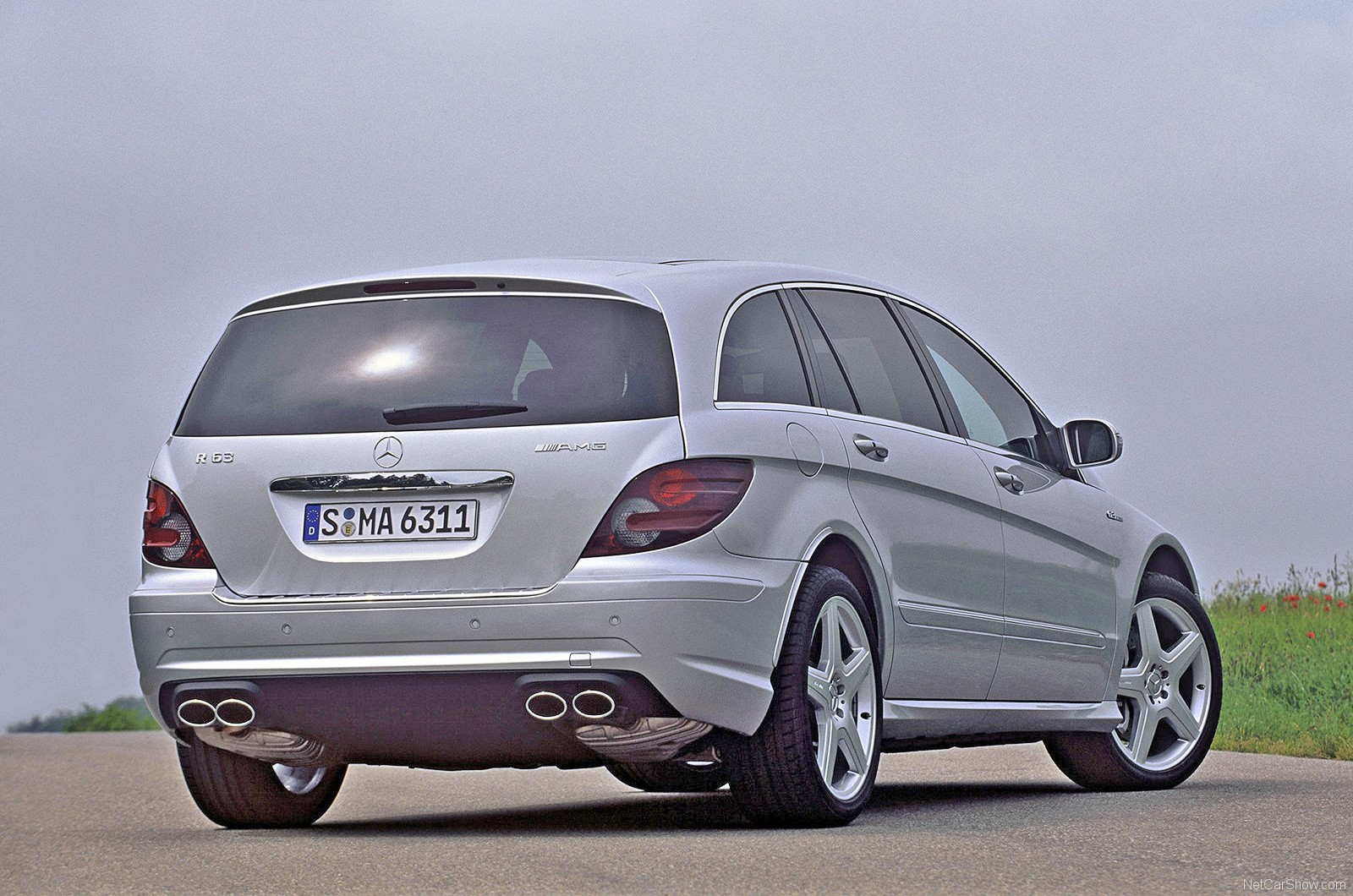
Mercedes-Benz doesn’t usually court controversy. Compared to other brands? Not much anyway. But they’ve had moments. Cars that made people pause. That stirred up debate. Here are the models that fit the bill, loosely defined, arranged in chronological order for your enjoyment.
The 35hp (19
00)
It started with a dealer named Emil Jellinek. He pitched the very first Mercedes to Daimler. He named it after his young daughter, Mercedes. He also named his race team after her. Weirdly enough he renamed himself too.
Wilhelm Maybach designed the beast. Light. Powerful. Shockingly low center of gravity. It won races so often that a French journalist, Paul Meyan, admitted defeat. “We have entered the Mercedes era.” Game over.
The Simplex (19
02)
Maybach followed up with the Simplex. Simpler to operate? Supposedly. 40hp version? Faster. The line kept getting more powerful, peaking at 65hp by 1909. Even Emperor Wilhelm II couldn’t resist, joking to Maybach that the car certainly wasn’t simple. An American tycoon, William K. Vanderbilt, owned one that still survives. It is the oldest known Mercedes today.
The 75hp (
19
07)
Trouble struck internally. Wilhelm Maybach left. A dispute. He joined the firm before cars existed, so he wasn’t just a mechanic, he was foundational. Paul Daimler, Wilhelm’s son, replaced him as tech boss. Maybach’s last gift was the six-cylinder engine. The 10.2-liter version appeared in the 75hp in January 1
9
07. Renamed 39/8
0
hp later. A smaller 9.5-liter went into the 65hp model.
The Knight (
19
10)
Shock value: Mercedes started using another man’s engine. Charles Yale Knight was American. His sleeve-valve design was all the rage. Quiet as a mouse, mostly. Daimler launched the 1
6
/4
0
hp in 1
9
10, followed by smaller versions.
Was it a mistake? The engines were a nightmare to build. A nightmare to maintain. Little room for development. By 1
9
24 Daimler dropped the idea. Back to basics.
The 1
8
/100 (
19
14)