Lee Iacocca gets the glory for the Mustang. It is the standard story. He saw the pony car gap, pushed hard, and changed American motoring forever. But there was another equine theme in his tenure. The Ford Pinto.
It is odd how history forgets this one. Or maybe Iacocca prefers it that way. The Mustang was a triumph. The Pinto was a disaster wrapped in a badge. It was Ford’s fourth pony car, but it lacked the soul of the first three. It was a subcompact. Cheap. Small. Designed to fight imports on their own turf.
Iacocca watched this birth closer than any other project. He had two hard limits. No more than $2,000. No more than 2,000 pounds. That was it. Reasonable comfort. Adequate power. Cheap to fix. That was the brief.
The Battle for a Subcompact in Dearborn
Ford started looking at smaller cars in the mid-Sixties. By 1967, engineers were discussing an 85-inch wheelbase. Less than six cylinders. A domestic answer to the rising tide of Japanese and German metal.
Iacocca argued the point. He saw the Volkswagen Beetle eating lunch. He saw Toyota and Honda creeping in. He told the bosses: if we don’t build a subcompact, the imports will take the whole market.
Then came the office politics. Arjay Miller left the presidency in late 1967. Henry Ford II looked outside. He hired Semon “Bunkie” Knudsen from GM.
Knudsen hated the idea of a small Ford. He thought the 1970 Maverick was enough. He believed Ford should stick to full-size and mid-size trucks and cars. Iacocca disagreed. He wanted a “G-car.” Something smaller than the Maverick.
The tension was palpable. Cold shoulders in the glass house at Dearborn. Iacocca persisted. He argued that imports were getting smarter. Other US automakers were planning smaller cars.
In January 1969, Henry Ford II gave the green light. Ford would build its first domestic subcompact.
Knudsen’s days were numbered. His strategy failed. HFII told him it wasn’t working. Iacocca took the presidency. The Pinto project was now his to own.
“My design turned out to be the exterior for the Pinto… Bunkie picked it — and that was it.” – Bob Thomas, former Ford stylist
Some say Knudsen helped pick the design. He left shortly after, not by choice. He got no credit. Iacocca did.
How Ford Built the Pinto in 20 Months
The order came down in 1969. The deadline? September 1970. Less than 20 months to go from concept to showroom.
Frank G. Olsen ran the show. Code name: Phoenix. Ironic. It would burn later. Olsen knew Mustang. He knew Fairlane. He knew Torino. He knew how to move fast.
He laid out the goals in the “Phoenix Green-Book.” Superior appearance. Good ride. Adequate performance. Cheap.
In February 1969, 32 engineers took a trip. They drove the competition.
- Fiat 850
- Fiat 124
- Volkswagen Beetle
- Opel Kadett
- Toyota Corolla
- Vauxhall Viva
- Ford Escort
They wanted an “Americanized compact.” Harold Freers, chief engineer, led the team. They rated every car.
Volkswagen was the main target. Toyota was quietest. Fiat 850 was most comfortable. Opel Kadett handled best.
Ford had to beat them on price and weight. They used unitized construction. Ford knew this method. It saves weight. It adds rigidity.
They started with a stamped underbody. Welded the structure to the sheetmetal. Uniformly. Tight. Light.
That was the plan. Build a light, cheap car that could handle modern freeways. Keep it under $2,000. Keep it under 2,000 pounds.
It sounds simple. It wasn’t.
Body rigidity and the war on noise
Ford’s solution to fitment issues wasn’t just cosmetic. A “halo” ring held the bodysides in place. This cut weight while adding rollover protection. The goal? Better hood, decklid, and door alignment. Fewer rattles. Fewer squeaks. Less wind, rain, and dust leaking into the cabin.
Getting there was a nightmare. Almost immediately after Pintos hit the test track, major flaws appeared. “Hardly a week went by when we didn’t need the body engineers,” Freers told Motor Trend. “We went through a number of redesigns to make it pass.”
The core problem was structural integrity. How do you make a body solid and stiff without adding material? Engineers looked everywhere. They used front cross members, the rear end, and even the dashboard as unifying structural sources. It was a puzzle of minimalism.
Noise containment was another massive hurdle. Look at the competition. High-dollar Lincoln sedans carried 140 pounds of sound-absorption material. Mavericks had 28 pounds. The Pinto target was a quarter-ton lighter than the Maverick, leaving only 12 pounds of budget for insulation.
They solved it with a new heat-curing vinyl sealing process. This custom-formed plastic bond ran the full length of outer panel seams and joints. Plastic became the Pinto’s secret weapon. It appeared in the interior components and the front grille, slashing both weight and cost.
Inside, engineers stretched the cabin to its absolute limit. Six-foot-five drivers could enter and exit without contorting. The layout prioritized ease. Dashboard controls, gearshift, pedals, and gauges were placed for intuitive monitoring. Even servicing was considered. The main instrument cluster—speedometer, fuel, oil, electrical monitors—could be removed in minutes with just a screwdriver.
The European engines that saved the Pinto
The drivetrain was the most critical ingredient. Ford looked to its European operations for two candidates.
The base engine was the Kent inline-four. An overhead-cam design introduced in 1959, it had proven its durability in British models like the Anglia. It started under one liter, growing to 1.3 liters for the Cortina by 1962, then 1.5 liters. By 1967, displacement hit 1.6 liters for the Cortina GT. The Kent was so robust it formed the basis for engines in Colin Chapman’s Lotus road and race cars.
In the Pinto, the 1.6-liter Kent (dubbed the 1600) produced 75 horsepower at 5,000 rpm and 96 pound-feet of torque at 3,000 rpm. It used a single-throat carburetor with an automatic choke. Cross-flow cylinder heads improved power by virtually eliminating traditional combustion chambers.
Americans wanted more power, though. So Ford went to Germany for the optional 2.0-liter “Cologne Four.” Also an overhead-cam unit with racing heritage, it made 100 horsepower at 5,600 rpm and 120 pound-feet of torque at 3,600 rpm. It featured larger valves and ported manifolds with a similar cross-flow head design.
Transmission was a four-speed gearbox based on a unit Ford of Britain had used for years. Both engines came standard with the stickshift. However, a Cruise-O-Matic three-speed automatic was available for those opting for the 2.0-liter engine.
How the Pinto handled like a sports car
Superior handling was a non-negotiable demand. Ford engineers delivered.
Steering was rack and pinion. New to most U.S. drivers, but standard overseas. With a 22:1 ratio and a compact 15-inch steering wheel, the car felt like a sports car. The light weight meant no power assist was necessary.
The suspension used a combination of short and long A-arms. It was effectively a downsized replica of independent suspension found in other domestic Ford products. Coil springs mounted between the lower A-arm and spring-pocket projections in the upper cross member. Double-acting shock absorbers sat inside the coil springs. This made them easily accessible for replacement, meeting another design goal.
“We went through a number of redesigns to make it pass,” Freers said.
The result was a car that handled well, despite its tight budget and aggressive weight targets. Whether it lived up to the hype remains a matter of history. But the engineering choices were clear. Prioritize rigidity. Minimize noise. Maximize European reliability.
Rear suspension, brakes, and the sedan compromise
The rear setup looked modern for its time. 46.5-inch multileaf semielliptical springs hung from rubber-insulated anchors. That rubber did the heavy lifting for vibration and road noise. Staggered shocks handled wheel hop. They also helped with acceleration and braking. Standard braking came from nine-inch drums with self-adjusters. Front discs were optional, but mandatory if you ordered the bigger engine.
Plans called for three body styles. A two-door sedan, a “three-door” hatchback, and a two-door wagon. Reality intervened. Body rigidity issues plagued the engineering teams. As launch neared, they cut losses. All correction efforts focused on the base sedan. The other bodies got the axe for the initial launch.
Dimensions and exterior styling of the 1971 Ford Pinto
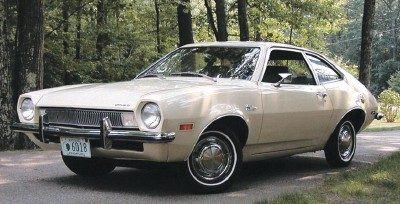
It sat on a 94.2-inch wheelbase. Total length? Just 163 inches. The design leaned into a longer hood and a fastback rear. The short decklid started right at the base of the rear window. Stock shoes were 6.00×13 black-sidewall bias-ply tires. You could swap those for whitewalls or radials. Rear passengers got extra air via flipper-type quarter windows. An extra-cost option, but welcome.
The front end was simple. Chrome-plated plastic grille with vertical slats. Combination park and turn signals sat at the ends. Cost-saving meant only two headlights. They mounted on the leading edge of the front fenders. A simple chrome blade bumper finished the face. The rear was even simpler. Flat panel. Taillights borrowed straight from the 1970 Maverick catalog.
Inside Ford, people like Henry Ford II saw the Pinto as a rebirth. The company’s original name-maker. So they named one of the colors Model T Black. If black wasn’t your vibe, there were 14 other choices. Some were wild. They borrowed vivid “Grabber” colors from the Maverick and Mustang lines, then renamed them. Grabber Blue became Pinto Blue.
Painting was a six-step process. Dipping bodies in primer first. Then an electrostatic charge applied the paint. Better adhesion. Better finish. Better durability. Inside, color-keyed all-vinyl trim covered the front buckets and rear bench.
Subcompact competition and early sales figures
Autumn 1970 brought a crowded subcompact field. AMC had dropped the Gremlin a few months prior. Chevrolet unveiled the Vega the day before the Pinto debuted. Chrysler relied on captive imports. The Mitsubishi-built Dodge Colt and the Hillman-derived Plymouth Cricket.
Still, the Pinto hit the mark. Lee Iacocca felt like a proud father. Shortly after this stellar release, Henry Ford II made Iacocca company president.
September 11, 1970. One week before the rest of the ’71 Fords launched. The public saw Dearborn’s little foal. Showrooms weren’t mobbed. But sales moved brisk. Especially considering only one model was available. By year-end, 86,680 Pintos rolled off the line. Compare that to the Chevy Vega. Only 24,295 Vegas made it off the line by December 31.
Fairness demands context. A 67-day GM strike crippled General Motors plants starting September 15. Right before new models went on sale. That hurt Vega production.
For more picture-packed articles about great cars, see:
-
Classic Cars
-
Muscle Cars
-
Sports Cars
-
Consumer Guide Automotive
-
Consumer Guide Used Car Search
1971 Ford Pinto milestone
Sales kept piling up in those early days. On January 18, 1971, the 100,000th Pinto was delivered. Less than five months after introduction. The buyer was Marco Ojeda. The dealer was S and C Motors in San Francisco.

Early sales momentum and the California import challenge
Performance beat expectations. When the Ford Pinto launched as a 1971 model, it didn’t just meet targets—it smashed them. California was ground zero for import loyalty. Toyota, Datsun, VW. The locals loved them. Yet the Pinto was eating their lunch. By January 1971, Ford dealers in California reported that the subcompact accounted for 17.8 percent of all import sales in the state. That number alone tells you something. It wasn’t just a niche play. It was a mainstream threat.
Price was the hammer. Lee Iacocca wanted a specific ceiling. The base sedan landed at $1,919. That undercut Iacocca’s target by $81. It undercut the Chevy Vega by $171. You don’t ignore that gap.
Why the Pinto’s fuel economy mattered before the crisis
Gas was cheap in 1971. No one mandated official MPG stickers yet. But Ford didn’t need regulations to sell the point. They published engineering tests for the base 1,600cc engine mated to the standard transmission. The result? 25 mpg in simulated city and suburban driving.
Customers noticed. Reviews praised the operating economy. Getting in and out was easy. The cargo area was accessible. But the performance surprised people. Many buyers were coming from V-8s or six-cylinder engines. This was the first domestic Ford passenger car with a four-cylinder since 1934. They expected a tractor. They got a usable commuter.
There were flaws. The plastic grille snapped if you slammed the hood. Worse, the interior door handles broke off in passengers’ hands. Dealers learned fast. They stocked crates of those handles. Fleet owners bought cases just to keep the cars rolling.
Comparing Pinto service intervals to VW and Toyota
Ford trained its sales force to attack the competition directly. The targets? The Vega, Volkswagen, Toyota Corona, and Datsun 1600. The pitch focused on maneuverability, stability, and serviceability.
Serviceability was the big wedge. VW manuals told owners to change oil and lube every 3,000 miles. Ford told dealers that Pinto owners could double that. Twice the distance. That’s a strong sales argument for a cost-conscious buyer.
They even sold the DIY dream. Ford marketed two tool kits. A beginner’s set for $28.75. A “master’s” kit for $44.95. The latter included wrenches, ratchets, gauges, and a torque wrench. The idea was simple. You never had to go back to the dealership. One popular promo item was a service key that doubled as a screwdriver and measured spark plug gaps and points.
It wasn’t just bare-bones utility. You could accessorize the hell out of it. Deluxe interior packages. Full wheel covers. Vinyl roofs. Radios. The 2.0-liter engine added $50. With that larger block, you could add air conditioning or the Cruise-O-Matic automatic for $175.
There was even a Rallye appearance group. Blacked-out hood, taillamp bezels, grille. Boss Mustang-style fender stripes. Rallye badges. Front disc brakes. A78X13 black sidewall tires. It looked aggressive.
The Pinto Runabout hatchback debut and production numbers
On February 20, 1971, the Pinto Runabout debuted at the Chicago Auto Show. Five days later, it went on sale. Demand was immediate.
Priced at $2,062, it stood out from the sedan. Exposed chrome hinges on the liftgate. Five decorative chrome strips on the rear door. Dimensions were nearly identical to the sedan. Pneumatic rams helped lift the hatch. Fold the back seat down, and you had 38.1 cubic feet of storage. The sedan offered the folding seat as an option too.
Building them was a grind. San Jose, California. Metuchen, New Jersey. St. Thomas, Ontario. Three plants. Two shifts running constantly to keep up with orders.
The first-year numbers were staggering. 288,606 sedans. 63,796 Runabouts. Only the 1965 Mustang and 1960 Falcon had better launches. What surprised marketing? Most buyers chose the more expensive 2.0-liter engine. And on those cars, automatic transmissions sold at better than a 2-to-1 ratio. People wanted comfort.
Even Henry Ford II liked it. He was seen driving a Candy Apple Red Runabout around Detroit and Grosse Pointe. Custom wire wheels. Black leather interior. The boss was rolling in it.
Early safety rhetoric and the shadow of regulation
But the industry wasn’t rosy. The federal government was creeping in. Two words dominated the conversation: safety and emissions.
Henry Ford II sent a special message to dealers in 1971. He listed ten commitments to the environment. He highlighted safety innovations. The 1956 safety packages. The 1967 Tot-Guard child-restraint system. Low-profile vinyl coat hooks designed to absorb impact. Safety-designed dash panels.
Yet the same publication dismissed claims about additional safety steps. Ford argued vehicles were a small contributor to air pollution. They were fighting the tide.
An early driver-side airbag system was tested on the Pinto. It never made production.
The 1972 Ford Pinto Strategy: Stagnation as a Feature?
Henry Ford II had a message for dealers and the press. Don’t expect annual facelifts. He wanted the Pinto to be the new Model T. Keep it simple. Keep it the same. Just tweak the internals and leave the sheet metal alone. It wasn’t about boredom, it was about efficiency. And honestly? It worked. The 1971 launch was a hit, so Ford saw no reason to rock the boat for ’72. The cars rolled off the line looking virtually identical to their predecessors.
Minor Tweaks for the 1972 Model Year
Boring doesn’t mean static. A few ergonomic fixes happened. The seatback release moved. It used to be buried in the center, hard to reach. Now it’s on the outer edge. Much easier. Outside, changes were scarce. Maybe a new paint color. Decal options for decor packages. The sedan and Runabout got a sunroof option. The Runabout’s hatch got a larger backlight. That’s about it.
1972 Ford Pinto Wagon: The Missing Piece
The real news hit on February 24, 1972. The station wagon arrived. It completed the trio. It shared the same bones as the sedan and Runabout, but the rear was stretched. Significantly. At 172.7 inches long, the wagon was nearly 10 inches longer than its siblings. It wasn’t just a longer sedan. It was a distinct body style, finally giving the Pinto family proper utility.

The Pinto Sprint and the Shift to Net Horsepower
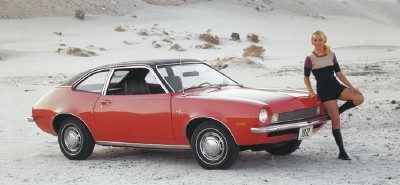
The 1972 Ford Pinto didn’t just exist in a vacuum. It joined the Ford Sprint family, a marketing trio that also included the Mustang and Maverick. This was Ford’s attempt to shake up the sluggish spring sales season, a tradition dating back to the 1930s. The Sprint packages were loud, proud, and aggressively patriotic. White paint with blue hoods and lower panels covered the body. Red pinstripes ran the length of the car. Stars-and-stripes shields slapped onto the front fenders sealed the deal. Inside, it was white vinyl with blue and red accents. It looked like a rolling flag.
Under the hood, the numbers got confusing for enthusiasts. 1972 marked the industry-wide switch from gross to net horsepower ratings. No more test-stand fantasy figures. This was power at the rear wheels, after the exhaust and accessories took their cut. The 1.6-liter engine dropped from 75 to 54 bhp. The bigger 2.0-liter four fell from 100 to 86 bhp. It looked like the cars got weaker. They didn’t. The measurement just got real.
The wagon arrived that year with 60.5 cubic feet of storage. A one-piece liftgate made access easy, borrowing engineering from the Runabout hatch. Fresh air in the back? Only if you paid extra for flip-open rear-seat windows. The 2.0-liter engine was standard, paired with a four-speed manual. Front disc brakes were also standard, which was a nice touch for a subcompact.
Production numbers told a story of growing confidence. The Runabout hatchback led with 197,920 units. Sedans followed with 181,002. The new wagon, despite a late launch, still managed 101,483 units. Prices ticked up, though. Base sedans started at $1,960. The Runabout hit $2,078. The wagon debuted at $2,265, undercutting the Chevrolet Vega Kammback wagon by twenty bucks. That tiny margin mattered.
For those who wanted status, the Squire trim was the answer. It wasn’t a separate model, just a package. Fiberglass framing held dark walnut appliqué around the windows. It gave the compact wagon an air of fake snobbery. Inside, you got plush padded bucket seats, embossed door panels, and woodgrain on the dash, shifter, and steering wheel. It was the only source of class in the back seat.
Japanese imports felt the pressure. Their market share dipped from 15.2% in 1971 to 14.8% in 1972. Almost 833,000 Pintos were on the road after just two years. The American subcompact was biting back. But the tide would turn again.
1973 Pinto Updates and the Pangra Phenomenon
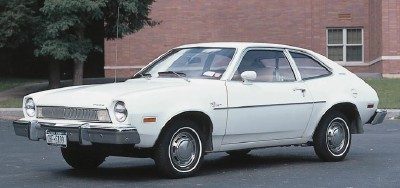
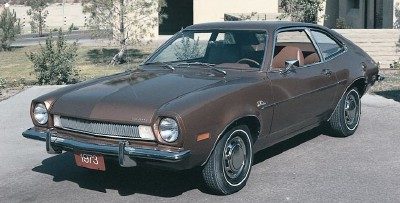
1973 brought mandatory changes. Federal law required 5-mph damage-resistant bumpers. Ford installed energy-absorbing aluminum fronts. The sedan stretched to 164.1 inches. The wagon grew to 173.9 inches. The lines got softer, the nose got heavier. Five new exterior colors joined the palette. Forged alloy wheels and a handling package appeared on the options list for those who cared about grip.
Prices kept creeping. The two-door sedan finally crossed the $2,000 threshold. But the wagon had its moment. With a full production year, it overtook the Runabout and sedan in popularity. It became the priciest and most desired body style. A pecking order was set: Wagon, Runabout, Sedan. It would stay that way for years.
Local dealers had fun with the platform. The Pangra from Huntington Ford in Arcadia, California, stands out. It was expensive, potent, and packed muscle into the subcompact chassis. Think of it as the grandfather of the modern tuner scene. Before the aftermarket explosion, this was how you got power.
The Oil Crisis Hits the Pinto
The 1974 model year started with Pinto on top. Then the world caught fire.
October 1973 brought war in the Middle East. Arab oil-producing states, angry at Western support for Israel, raised prices. Then came the OPEC embargo. Gas prices in the U.S. jumped from 30 cents a gallon to over 50 cents almost overnight. Shortages followed. Lines at fuel pumps stretched for miles. Motorists panicked. Sleeping with the gauge below three-quarters full felt like a risk.
The Pinto’s small engines suddenly looked less like a compromise and more like a necessity. The Japanese imports would surge back soon. But for a moment, the crisis made the little Ford look relevant. The market was in turmoil. The era of cheap, endless gas was over. The Pinto was right there in the middle of it.

Pinto sales surge as gas prices spike in 1974
The energy crisis hit the U.S. hard in 1974. Big V-8s died instantly. Shoppers wanted mileage, not horsepower. Ford dealers breathed a sigh of relief thanks to the Pinto.
Advertised at 20-25 mpg, the subcompact crushed the heavy Galaxies and LTDs, which barely managed 12 miles per tank. Full-size Ford sales plummeted from over 854,000 in 1973 to just 461,000. The Pinto filled the void.
President Nixon signed the national 55 mph speed limit law early that year. A fuel-saving move. For Pinto owners, it was a bonus. The little car couldn’t really go much faster anyway, but it thrived at the lower highway speeds.
Ironically, the gas crunch brought a bigger engine.
1974 Pinto engine changes and weight gain
Ford dropped the slow-selling 1.6-liter four. The 2.0-liter became standard. But the headline was the new optional engine. A 2.3-liter overhead-cam four-cylinder.
Designed and built in America at Ford’s Lima, Ohio plant. It was an all-new design. Rated at 85 horsepower. That’s one less hp than the base 2.0-liter. Strange. But Ford claimed more torque. And better gas mileage. By year’s end, most Pintos came with the 2.3. It cost an extra $52.
The exterior got heavier. Federal regulations demanded five-mph impact bumpers. New bumpers meant more steel. Plus added sound insulation. A Pinto sedan weighed 1,949 pounds in 1971. By 1974? 2,372 pounds. A jump of 21 percent. Prices rose too.
Despite the weight, sales soared. 544,209 Pintos rolled off the line. Total production neared 2 million. The subcompact was king.
But shadows lengthened.
Reports trickled in. Company memos. Press leaks. Rear-end collisions were causing fiery explosions. Deaths followed. Lawsuits loomed. Ford launched secret research to assess corporate liability. The rosy picture cracked.
1975 Ford Pinto introduces V-6 and MPG trim
The 1975 model went on sale September 27, 1974. Externally? Almost identical. Wheelbase grew slightly to 94.7 inches for wagons, 94.4 for others. Inside, the car went “all-American.”
The 2.0-liter was gone. Replaced by the 83-horsepower 2.3-liter. But Ford added a new V-6. Patterned after a Lancia engine from Italy. It displaced 2.8 liters. Rated at 97 net horsepower.
It used an 8.0:1 compression ratio. Two-barrel Holley carburetor on top. With 60-degree banking and high-center camshaft mounting, the valvetrain was light. The operation was surprisingly smooth. This basic design would power Ford products for over 25 years.
Available only in Runabout and wagon models. It required the redesigned SelectShift Cruise-O-Matic transmission. For the first time, buyers could add power steering and brakes with the V-6.
The fuel emergency eased by summer 1974. Oil shipments returned. Gas prices dropped a few pennies. Americans felt better. But mileage still mattered.
Ford created MPG versions of the Pinto and Mustang II.
How did they do it? Four-cylinder engine. Manual transmission. New catalytic converter allowed retuning for efficiency. Axle ratio changed from 3.40 to 3.18:1. The result? Government-rated 34 mpg highway, 23 city. Swap the stick for an auto? You dropped to 30 highway, 21 city.
Ads highlighted those numbers against foreign rivals. All three body styles offered the MPG package.
Prices climbed. The sedan started at $2,769. Runabout at $2,984. Wagon at $3,094. The V-6 added $253. Auto transmission cost $202. In some cases, a Pinto cost more than the slightly larger Maverick.
Why the hike? Not just emissions or safety gear. Raw materials skyrocketed. One Ford official told writers in early 1975 that steel prices jumped 35 percent in less than a year. Rubber was up 43 percent. Aluminum rose 61 percent. Plastics averaged 21 percent.
The Pinto survived the crisis. It got heavier. It got pricier. And it got more powerful. But the ghost of the fuel tank controversy lingered.
Why 1975 Pinto Sales Crashed Hard
The economy was bleeding. The 1973-74 fuel crisis wasn’t just a headline. It was a sledgehammer to domestic automakers. Ford took the hit. Even the Pinto, that scrappy little survivor, couldn’t dodge the fallout.
Just 223,763 1975 Pintos rolled off the line. A 59 percent drop from the year before. Fifty-nine percent. To put that in perspective, Ford built more 1974 Pinto wagons than it did total 1975 Pintos. The market didn’t just shrink. It evaporated.
What Was the Mercury Bobcat Anyway?
While Ford panicked, Mercury found a weird niche. Enter the Bobcat. It hit US shores in 1975. Technically, it was just a Pinto with a different badge and a slightly more upscale attitude. It borrowed the Runabout and wagon bodies. Originally, it was a Canadian dealer stopgap. But Lincoln-Mercury dealers loved it. Their luxury liners were gas-guzzling relics nobody wanted. The Bobcat sold. It wasn’t a volume mover, but it was a lifeline for dealers drowning in inventory of cars that got terrible mileage.
1976 Ford Pinto Gets a Face Lift
By 1976, the Pinto needed to look different. It also needed a new marketing spin. This was the first time since launch that you could actually tell the year by looking at the front end.
The old vertical slats? Gone. Replaced by a fine grid grille. It looked sharper. Rectangular parking and turn-signal lights hovered near the outer edges. It was subtle, sure. But it was a change. After years of stagnation, Ford finally admitted the car needed to evolve.
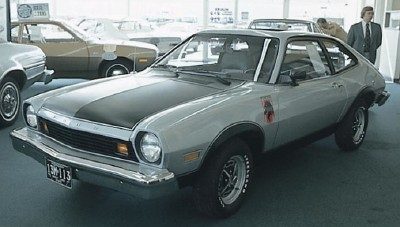

Why the 1976 Ford Pinto broke the mold with extreme trim packages
The 1976 model year marked the first time the Ford Pinto stepped away from the visual language established back in 1971. It wasn’t just a tweak. It was a shift toward more chrome, more contrast, and a harder sell on the import front.
Dealers started pushing the Pinto as an “import fighter.” This wasn’t just marketing fluff. It reflected a strategic pivot. The front end got brighter. New chrome-plated headlight bezels joined a strip of polished aluminum running between them at the hood’s forward edge. Block letters on the hood didn’t just say Ford. They announced it.
How to get the cheapest 1976 Ford Pinto Pony MPG
For buyers who wanted to drive on the absolute cheapest dollar possible, Ford introduced the Pony MPG sedan. This was bare-bones. Stripped down to what the government would legally allow.
The base four-cylinder sedan sat at $3,025. The Pony MPG shaved $130 off that. You got inexpensive cloth seats. Black rubber floor mats. A more economical 3.00:1 axle ratio. If you didn’t get the Pony, every other four-cylinder Pinto came with a 3.18 axle and carried the MPG badge.
Which 1976 Ford Pinto Stallion edition looks like a Mustang?
On the other end of the spectrum, Ford offered the Stallion edition. It looked nothing like the Pony. It looked like a smaller Mustang or Maverick. The package was attractive, arguably the best-looking Pinto trim of the era.
The Stallion came in silver paint with blacked-out details. The grille, window frames, and headlight surrounds were all black. Even the hood and cowl got a matte-black finish. It wasn’t just paint. The hardware changed too.
- Black sport mirrors
- Special logo decals on the fenders
- Forged aluminum wheels
- A73313 raised-white-letter, wide-oval tires
- Special handling suspension
This package added $283 to the base hatchback’s $3,200 price. A lot of car for a few hundred bucks.
What changed mechanically and in production for the 1976 Ford Pinto?
Mechanically, the 1976 Pinto stayed mostly the same. No major innovations. But the engines got a bump. The base four-cylinder rose to 92 horsepower at 5,000 rpm. The optional V-6 jumped to 103 horsepower at 4,400 rpm.
There were minor body style shifts. The V-6 became available in the two-door sedan. A Squire version of the Runabout appeared, featuring imitation-wood trim on the bodysides and bright trim on the side windows and drip rails.
Interiors were where the Pinto shined. Ford-exclusive vinyl-weave fabric came in four colors. Nylon-based plaid patterns were also an option. The weirdest interior feature? A vinyl half-top. It covered only the area ahead of the rear roof pillar. Strange. Effective for light protection.
Production numbers reflected a recovering market. Ford built 290,132 Pintos for 1976. That was a nearly 30 percent increase. The subcompact was selling again.
How the 1977 Ford Pinto facelift changed the front end
Henry Ford II had promised no annual changes just for the sake of change. He lied. Or maybe he changed his mind. The 1977 Ford Pinto got a facelift. An attractive one.
The front end looked different. The grille narrowed. It was plastic, chrome-plated, and composed of six rows of rectangles. It sat between vertically bisected parking and turn-signal lamps. The whole grille ensemble was canted back toward the top.
The headlight buckets were body-colored and angled similarly. They looked almost like “frenched” lights on customized cars from the Fifties. A retro nod in a modern package.
The rear changed too. Sedan and Runabout taillights were redone for the first time. They were enlarged. A sectioned red plastic lens dominated the view. A white inset lens handled the back-up lights. It was cleaner. More distinct. The Pinto was no longer trying to hide its size. It was owning its shape.
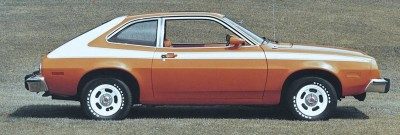

The 1977 Ford Pinto: Style Over Substance, Price Over Power
The 1977 facelift looked sharper. It also cost more. Ford swapped in the DuraSpark electronic ignition system to get the engines firing, a tech upgrade that mattered less than the dip in output. The four-cylinder now managed 89 horsepower at 4,800 rpm. The inline-six produced 93 horsepower at 4,200 rpm. Power went down. Prices went up.
Lee Iacocca wanted this car to sell for $2,000. That era was dead. A stripped-down Pony sedan started at $3,099. The high end? A four-cylinder station wagon kicked off at $3,548. Add the Squire package and you’re out another $343.
What was the Ford Pinto Cruising Wagon package?
Ford tried to pivot the wagon into a mini custom van with the $416 Cruising Wagon package. It included filler panels for the rear side windows and porthole-style “bubble” windows near the back. Exterior flair involved colorful bodyside tape stripes, color-keyed racing mirrors, a front spoiler, and polished aluminum wheels. Inside, the cargo area got carpeted sidewalls. It was a attempt to catch the custom van wave of the Seventies.
Buyers still wanted extras. Sound systems ranged from AM/FM to eight-track players. Air conditioning was available. For sedans and Runabouts, a pop-up glass sunroof arrived this year. You could remove it entirely. Runabouts could get a solid-glass rear hatch for just $13. The Squire trim option dropped for the Runabout, though.
Interiors got snazzy. Plaid cloth. Striking vinyl color combos. Ruffino leather-like graining with plush textures. Special stitching patterns. Accent stripes were bold, with one set mimicking the red-and-white Ford Torino from Starsky and Hutch.
TV exposure helped. Kate Jackson’s orange and white Runabout in Charlie’s Angels stuck in viewers’ minds.
But the image was cracking. Reports of explosive rear-end collisions were growing. Ford touts improved fuel tank cushioning and massive recall efforts. It didn’t build confidence. Resale values plummeted, falling below the curve for other subcompacts. Production hit a low of 202,549 units. The lowest number yet.
1978 Ford Pinto: The Same Car, Same Photos
The 1978 model looked identical to the ’77. Ford’s sales literature actually recycled photos from the previous year. Cosmetic changes were minimal. Just a shuffle of exterior colors and tweaks to appearance packages. Nothing new under the hood. Nothing new on the sheet metal. The same car. The same problems.
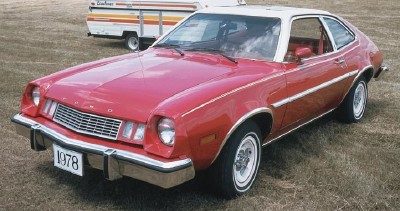

1978 Ford Pinto Rallye and the Slow Decline
The 1978 Ford Pinto wasn’t really new. Not by much. It was essentially the 1977 model wearing a slightly different badge. The big draw? The Rallye edition. Ford slapped it on sedans and Runabouts. You got black window trim, gold tape striping, a front spoiler, sports mirrors, and those four-spoke styled-steel wheels with trim rings. It looked like something. A sedan delivery version of the wagon also joined the lineup. Flat cargo floor between metal side panels. Rear window security screen available if you wanted to keep the thieves out.
Under the hood? Same engines. Different numbers. The four-cylinder dropped one horsepower to 88. The V-6 lost three, settling at 90. Why the drop? Emissions tweaks. Always emissions tweaks.
Pricing was the real shocker. Entry-level Pony sedans only went up $40. Other models? Jumped $400 or more. In 1978 dollars, that hurt.
Sales reflected the mood. Bad press still lingered from the fire lawsuits. Imports were eating their lunch. Production slumped below 190,000 units. Sedans actually saw a tiny bump in demand. Wagons? Down 34 percent. The Runabout became the most popular Pinto for the first time since 1972. People wanted the style. They didn’t want the wagon.
1979 Ford Pinto Front-End Redesign
By 1979, the Pinto was dying. Everyone knew it. The design was eight years old. Ford needed a fix. A cosmetic one. They mandated a front-end redo. It was a band-aid on a bruise. The goal was simple: keep it on the lot a little longer. The grille changed. The headlights shifted. The look was sharper, trying to mimic the newer Fiestas and Escorts coming from Mexico and Spain.
Was it enough? Probably not. The platform was exhausted. The market wanted newer tech, better safety, and less scandal. The Pinto was running on fumes. Literally and figuratively.
“The 1979 front-end change was less an evolution and more a desperate attempt to look modern.”
The Rallye package returned, but the excitement was gone. The sedan delivery remained. The wagon kept shrinking in sales. Ford was preparing to kill the nameplate. It just hadn’t pulled the plug yet.
The end was closer than anyone admitted.
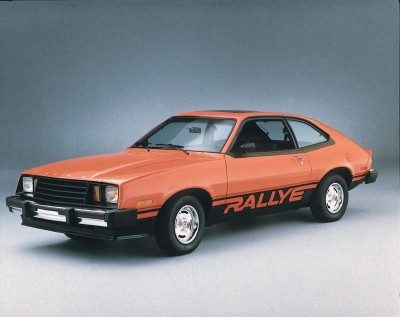

The 1979 Ford Pinto Gets a Face Lift That Doesn’t Save It
The 1979 model year brought a front-end redesign to the Ford Pinto. Rectangular headlights, a trend gaining traction on American streets since the mid-Seventies, finally landed on the compact. A wide grille of chrome-plated plastic filled with four rows of fine squares dominated the center. New bumpers featured black-plastic rub strips and cushioning vinyl guards at the ends. The hood and front fenders were reshaped. Sedan and Runabout models received large, unframed red plastic taillight lenses on the back panel.
Inside, the dashboard saw a change. The two round gauge pods that had housed instruments since 1971 were gone. Square gauges took their place. The speedometer sat on the right. The fuel gauge and engine-monitoring warning lights moved to the left.
Entry-level buyers got more choices. A Pony edition of the station wagon joined the lineup. Those with extra cash had options.
A new “European-inspired” ESS package arrived for the sedan and Runabout. It included silver paint, black accents around window trim, dual racing mirrors, and bodyside moldings. The grille and headlamp buckets were charcoal. Styled steel wheels and a front stabilizer bar completed the exterior. Runabouts also kept the all-glass hatch.
The interior matched the performance theme. A leather-wrapped steering wheel and shift knob came standard. The instrument cluster added a tachometer, ammeter, and coolant-temperature gauge.
The Cruising Wagon continued with various stripe kits. Ford applied a similar look to the Runabout. The $330 hatchback package included blackout trim, multicolor bodyside stripes, white-painted styled-steel wheels, a sport steering wheel, and the gauge package.
Marketing targeted young buyers. Ads showed models under 30. Even the Squire wagon featured young couples with toddlers.
But marketing couldn’t fix external problems. Civil juries handed out hefty awards. Internal memos suggested Ford prioritized financial decisions over human life. Prices kept rising.
Production actually increased slightly in 1979, reaching 199,018 units. For the first time since 1971, the basic two-door sedan outsold the Runabout.
Why the Ford Pinto Struggled in Late 1970s America
The Seventies ended with America in turmoil. Inflation ran rampant. A fuel crisis in late 1979 pushed gasoline past a dollar a gallon. Gold hit $800 an ounce. Iranian militants stormed the U.S. embassy in Tehran, holding hostages for over a year.
Cold War tensions persisted. President Jimmy Carter announced a boycott of the 1980 Moscow Olympics to protest the Soviet invasion of Afghanistan.
Detroit felt no joy. Henry Ford II called it an “economic Pearl Harbor.” Japanese manufacturers were eating into the market. Their cars held 26.7 percent of the total market share. American carmakers faced combined losses of $40 billion.
Lee Iacocca was fired from Ford in late 1978. The Pinto gas-tank debacle memos landed on his desk. Henry Ford II was unhappy with the fines and punitive damages. He knew the negative press hurt the family business. Henry and Lee didn’t agree on much. The man with the name on the building won.
The 1980 Ford Pinto Is Basically Unchanged
The 1980 Ford Pinto was still around when Ford unveiled the lineup in fall 1979. The front-wheel-drive Escort was coming. The Pinto was on its last legs. Ford allocated almost no money for updates. The biggest technical change was deleting the V-6 from the options list. The 2.3-liter four-cylinder engine went it alone for ’80.
Marketing tried to spruce up the dying car. Appearance packages were still available. Runabouts could get the striped and spoiler-equipped Rallye Pack, the Cruising package, or the ESS option group. The Cruising Wagon returned with a Rallye variant. Price-conscious buyers could still get Pony versions of the sedan and station wagon.
Inflation hit the window stickers hard. Base prices had more than doubled in the car’s ten-year run. A Pony sedan started at $4,117. The Squire station wagon was $5,320 before extras. And there were always extras.
Why the Pinto Wagon Vanished and the Fire Controversy Boiled Over
The sedan dominated order sheets. It makes sense. The wagon? It hit a production low, just 39,159 units. A historical bottom. By the time the 1980 model year wrapped up with 185,054 final units rolling off the line, the little pony had clocked over 3.1 million total. A massive run for a subcompact that never quite shook the stigma.
But the sales figures don’t tell the whole story. The noise did.
Was the Pinto Fire Controversy Hype or Corporate Negligence?
The late Seventies automotive news cycle was defined by one thing: exploding Ford Pintos. Civil courts handed down massive awards to victims. The public wondered if Ford had literally put a price tag on human life to save a few bucks. Was it media hype? Or was it a calculated risk by Dearborn?
The clock started ticking in 1972. Reports flooded the National Highway Safety and Transportation Administration. Low-speed rear-end collisions. The fuel tank ruptured. The car became a fireball.
Here’s the grim detail that stuck with investigators. Victims often survived the impact. No major trauma from the crash itself. They died from the burns. Some were trapped. The body buckled. Doors jammed shut. The exit was gone.
The car didn’t just break. It burned.
This wasn’t a high-speed pileup. It was a fender-bender scenario. Rear-ended at low speeds. The fuel tank, located behind the rear axle, was vulnerable. The bolts sheared off. The tank punctured. Gas spilled. Sparks followed.
Ford defended the design. They pointed to federal safety standards. The Pinto met them. Barely. But meeting the minimum isn’t the same as being safe. The controversy raged because it felt like the company knew. They had the data. They saw the reports. And yet, the design stayed.
Why did the rear impact fuel tank placement matter so much? Because the differential housing and axle shafts created a spike. In a rear collision, that spike pierced the tank. It was a mechanical certainty waiting for the right angle of impact.
The jury didn’t care about engineering specs. They cared about the bodies. The victims. The preventable nature of the disaster. The “cost-benefit analysis” that later surfaced in internal memos—suggesting Ford had weighed the cost of recalls against the cost of lawsuits—turned public opinion into a weapon.
It wasn’t just a defect. It was a moral failure in the eyes of the court. And the media loved it. The Pinto became the symbol of corporate indifference. A badge of shame that no amount of marketing could wash off.

The $5.08 Fix Ford Ignored
By the time the 1973 model year rolled around, Ford likely already knew the Pinto was a fire hazard. The seeds of this crisis were planted years earlier, in the mid-1960s. Arjay Miller, then Ford’s president, survived a fiery crash in his 1965 Lincoln Continental. Rear-ended in slow traffic, his luxury cruiser’s fuel tank ruptured and sparked a blaze. Miller escaped through an undamaged door, but the trauma sparked a corporate crusade. He pushed suppliers for better fuel containment and even testified before Congress about Ford’s commitment to safety.
So what went wrong with the Pinto?
The timeline is damning. Ford began rear-end collision testing on the Pinto in December 1970. This was months after production had already started. Of the initial 11 test crashes, eight resulted in ruptured tanks and fires. The three that didn’t burn? They used prototype safety devices.
One solution was a rubber bladder liner from Goodyear. It kept fuel inside even when the outer tank burst. The cost? $5.08 per car. Another option was a steel plate behind the bumper to shield the tank from 30 mph impacts. Estimates put that part at up to $11 per car. A third, simpler fix involved a plastic insulator on the differential to prevent bolts from piercing the tank. That cost less than $1.
Engineers identified two main failure points: the filler neck breaking off and spilling gas, and the tank being punctured by the differential mounting bolts and the right shock absorber. All three fixes addressed these issues.
The Infamous Cost-Benefit Analysis
Internal memos revealed during civil trials showed Ford discussed these remedies. The decision to skip them wasn’t based on engineering feasibility. It was economics. Shutting down production and retooling was deemed too expensive.
The most damaging evidence came from memos published by researcher Mark Dowie in Mother Jones. These documents detailed a cold, calculated cost-benefit analysis of corporate liability. Ford’s experts put a price tag on human life: $200,000 for a death, $67,000 for a serious burn.
Using estimates of 180 deaths and 180 serious burns, the math was stark. Redesigning the tank would cost roughly $137 million. Paying out liabilities would cost only $49 million. The cheaper option was to do nothing.
Ford engineers defended the design by comparing the Pinto to the imported Ford Capri. Both cars were similar in size, but the Capri’s fuel tank was positioned higher, away from the bumper. Ford argued that raising the Pinto’s tank would sacrifice trunk space. They claimed even a set of golf clubs wouldn’t fit in the remaining void.
“To place the tank any higher… would rob the trunk of already meager storage space.”
Legal Reckoning and Criminal Charges
The human cost of that calculation became undeniable. Ultimately, 27 people died in rear-end explosion crashes involving Pintos. In one notable California case, a jury awarded $126 million to a boy severely burned and disfigured in a crash. The driver had died days later.
When the liability memos were introduced as evidence, the case was effectively over. The judge later reduced the award to $3.5 million on appeal, but it was still far above Ford’s internal projections. It was a wake-up call. Ford’s legal team scrambled to settle pending cases out of court.
The situation escalated in 1978. Elkhart County, Indiana, Prosecutor Michael Cosentino called for a grand jury hearing after three girls died in a Pinto fire. The grand jury’s findings led Cosentino to file criminal charges of negligent homicide against Ford officials.
Ford’s legal machine shifted gears again. They argued the accident occurred on a notoriously dangerous stretch of road. They also highlighted that the driver of the van that rear-ended the Pinto was under the influence of alcohol and drugs, arguing this contributed more to the crash than any vehicle defect.
The trial judge dismissed the criminal charges. But the threat lingered. It served as a stern warning to Ford and American industry alike about product safety responsibilities.
The Recall That Came Too Late
Ford finally acted in September 1978. The company issued a recall for 1.5 million 1971-76 Pinto sedans and Runabouts, plus 1975-76 Mercury Bobcats. The repair included a new, reinforced fuel-tank filler neck that extended deeper into the tank. It also added a plastic shield between the differential and the tank, plus another shield to deflect contact with the right-rear shock absorber.
The fixes were simple. Cheap. Available years earlier.
The Pinto remains a case study in ethical engineering failures. Not because the technology didn’t exist, but because the cost-benefit analysis had a fatal flaw. It priced human life in dollars and cents, and found it too expensive to save.
Was it negligence? Or just capitalism run amok? The legal system said one thing, public opinion another. The cars drove on, the memos stayed classified for a while, and the debate over how much safety is “reasonable” continues to this day. 🚗💨
The Ford Pinto Recall Exemption and the Legal Silence
Station wagons escaped the recall entirely. Not because they were immune to physics, but because their design offered a buffer. Ten extra inches of sheetmetal at the rear, combined with a differently positioned fuel filler, changed the damage dynamics enough for Ford to deem them safe. That structural difference kept the wagons off the notice list.
The legal fallout, however, was universal. Lee Iacocca later dissected the company’s strategy in Talking Straight. He described a climate of enforced silence. Ford was bombarded with litigation over the Pinto’s gas tank fires. The suits threatened to bankrupt the company. So executives clammed up.
“Winning in court was our top priority; nothing else mattered.”
Iacocca admitted that this silence fed public suspicion. It was a calculated risk to protect the bottom line, sacrificing image for survival. The strategy worked in the courtroom, perhaps, but it left a stain on the brand’s reputation that no amount of marketing could scrub away.
How to Build the Ultimate Ford Pinto
Some people just can’t leave a bad reputation alone. They see a tame subcompact and imagine a monster. This is the same energy that drove Carroll Shelby to modify the Mustang or Bill Stroppe to tune the Bronco. The Pinto, with its simple, economical four-cylinder, seemed like an unlikely candidate for high performance. Yet, the quest for the ultimate Ford Pinto began in California.
Huntington Ford in Arcadia was a powerhouse for Pinto sales. They moved over 400 units in the first year and nearly 550 in the second. Sales manager Jack Stratton saw an opportunity to make his dealership the global hub for Pinto performance. He recruited Ak Miller, a known Ford performance specialist, to lead the project.
Months of secret design work culminated in the Pangra.
The Pangra was immediately recognizable. It featured a fiberglass front clip that added 10 inches to the car’s length. Huntington offered four distinct kit levels:
- Kit 1: The fiberglass body kit only. Hood, fenders, cowl, and pop-up headlights.
- Kit 2: Added Recaro bucket seats, Stewart-Warner gauges, custom dash trim, and “mag-shot” wheels. Tires were 175HR13s in front and 185HR13s in the rear.
- Kit 3: Included a Spearco “Can-Am” suspension kit. Shortened coil springs, heavy-duty sway bars, and Koni shocks.
- Kit 4: The full package. Added a Spearco turbocharger to the standard 2.0-liter OHC four-cylinder engine.
Pangra vs. Porsche 914: The Performance Breakdown
How did this turbocharged Pinto compare to the competition? Motor Trend tested the Pangra against a base Porsche 914 (1.7-liter flat-four) and a 914-S (2.0-liter). The results were shocking.
The Pangra hit 60 mph in 7.5 seconds. The faster Porsche 914-S took 10.5 seconds.
The power difference was drastic. The stock Pinto engine produced about 86 horsepower. The turbocharged Pangra was estimated to output 285 horsepower. The Porsche 914-S managed 91 gross SAE horsepower from the factory. The Pangra’s upgraded suspension and wide tires provided grip that Motor Trend writers described as clinging “like Saranwrap.”
Price-wise, the Pangra was also a bargain. Delivered in Arcadia, it cost approximately $4,600. A basic Porsche 914 listed for $5,300, with the S model costing another $288 more.
By late 1974, stricter emissions regulations and stronger factory engines made the Pangra obsolete. Production numbers remain unknown, leaving the Pangra as a rare footnote in Pinto history.
1971-1974 Ford Pinto Production and Pricing Specifications
Despite the controversies, the Pinto sold in volume. Here is the data for the first four model years.
1971 Ford Pinto
– Sedan: 1,949 lbs | $1,919 | 288,606 built
– Runabout: 1,933 lbs | $2,062 | 63,796 built
– Total: 352,402 units
1972 Ford Pinto
– Sedan: 2,061 lbs | $1,960 | 181,002 built
– Runabout: 2,099 lbs | $2,078 | 197,920 built
– Station Wagon: 2,283 lbs | $2,265 | 101,483 built
– Total: 480,405 units
1973 Ford Pinto
– Sedan: 2,115 lbs | $2,021 | 116,146 built
– Runabout: 2,145 lbs | $2,144 | 150,603 built
– Station Wagon: 2,386 lbs | $2,343 | 217,763 built
– Total: 484,512 units
1974 Ford Pinto
– Sedan: 2,372 lbs | $2,527 | 132,061 built
– Runabout: 2,406 lbs | $2,676 | 174,754 built
– Station Wagon: 2,386 lbs | $2,343 | 237,394 built
How Ford Pinto production numbers and prices shifted from 1975 to 1980
The raw data tells a story of creeping weight and soaring sticker prices. By 1975 the Pinto was no longer the featherweight it launched as. The base sedan weighed in at 2,495 lbs and carried a new price tag of $2,769. Ford built 64,081 of them. The two-door Runabout was heavier at 2,528 lbs and cost $2.984. It sold better. 68,919 units. The station wagon was the heaviest body style at 2,692 lbs. It also commanded the highest price in the lineup at $3,153. Ford cranked out 90,763 wagons that year. The total production run for 1975 hit 223,763 vehicles.
Things got more complex in 1976. Ford introduced MPG badging for the fuel-efficiency conscious. The Pony MPG sedan tipped the scales at 2,450 lbs and cost $2,895. The standard MPG sedan was nearly identical in weight at 2,452 lbs but cost more at $3,025. The V-6 sedan sat at 2.590 lbs with a price of $3,472. Ford grouped all sedan production together. They built 92,264 sedans in total that year.
The Runabout lineup followed the same pattern. MPG version at 2,482 lbs for $3,200. The Squire MPG trim added weight and cost. It weighed 2,518 lbs and priced at $3,505. The V-6 Runabouts were heavier still. The base V-6 runabout weighed 2,620 lbs at $3,647. The top-trim Squire V-6 runabout hit 2,656 lbs and cost $3,952. Total Runabout production matched the previous year’s total exactly. 68,919 units.
Station wagons continued to be the heavy haulers. The MPG wagon weighed 2,635 lbs and cost $3,365. The Squire MPG wagon added another 37 lbs and $306. It cost $3,671. The V-6 wagons were the true weight gainers. The base V-6 wagon weighed 2,773 lbs and cost $3,865. The Squire V-6 wagon topped out at 2,810 lbs. It carried a $4,171 price tag. Ford built 105,328 wagons in 1976. Total production jumped to 266,511.
By 1977 the names simplified. The MPG tags disappeared. The Pony sedan weighed 2,313 lbs and cost $3,099. The standard sedan weighed 2,376 lbs and cost $3,237. Ford built 48,863 sedans. The Runabout weighed 2,412 lbs and cost $3,353. Production for that body style was 74,237. The station wagon weighed 2,576 lbs at $3,548. The Squire wagon weighed 2,614 lbs and cost $3,891. Ford built 79,449 wagons. The reported total was 202,549. There is a footnote here. That number includes 22,548 cars produced as 1978 models but sold as 1977s.
The 1978 model year saw prices climb again. The Pony sedan weighed