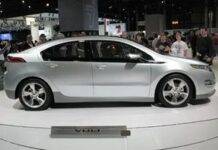
Hydrogen is an element with a notoriously low ignition point. That chemical reality creates a specific set of safety concerns that won’t go away just because engineers want fuel cells to dominate the automotive market. Before you can even talk about widespread adoption, there is a massive infrastructure gap to bridge. We aren’t just swapping gas tanks for hydrogen tanks; we are talking about building an entirely new logistics web.
This requires a network of pipelines, truck transport systems, generation plants, and fueling stations across the United States. Every single node in this chain—from the plant to the pump—must be physically, chemically, and mechanically secure. One weak link compromises the whole system.
The Weight Problem and Vehicle Design
Even the storage system inside the car itself presents unique engineering headaches. Hydrogen is surprisingly heavy compared to liquid gasoline. To achieve a conventional driving range of 300 miles (roughly 480 kilometers), the vehicle needs a substantial amount of stored fuel.
This mass creates a dilemma. Car frames need to be significantly sturdier to handle the weight, or scientists need to find a way to make the entire hydrogen fuel cell system lighter. Current materials and designs struggle to hit both targets simultaneously. You can have range, or you can have efficiency, but getting both without compromising safety or cost is still an unsolved puzzle.
Emergency Response and System Security
The safety implications extend far beyond the driveway. Firefighters, emergency medical personnel, and police will all have to develop new processes for accidents involving hydrogen fuel cell vehicles. Standard protocols for gasoline fires don’t apply here.
Any incident in the hydrogen network—whether it’s a crash, a pipeline leak, or an issue at a generation plant—requires a specific safety plan designed to handle hydrogen explosions. The risk profile is different. The ignition energy is lower. The flame is invisible.
The onus is really on the engineers of hydrogen fuel cells to ensure they’re designing a safe and reliable system.
Until that system is proven robust at every point in the supply chain, hydrogen remains a promising but precarious alternative. The technology exists. The cars exist. The infrastructure does not. And fixing it requires more than just better batteries; it requires a complete rethink of how we store, transport, and handle one of the universe’s most volatile elements.