Gas prices are climbing. Geopolitics are messy. And your local pump just hit another record high. Naturally, people are looking for an out. They’re eyeing hybrids. But here’s the snag. Those stickers hurt more than usual. The question isn’t if hybrids are efficient. It’s if you can justify the upfront hit.
The answer isn’t a simple yes or no. It hinges on three things. Your model choice. Your zip code. Your driving habits.
How Hybrid Systems Actually Work
Confusion reigns when shoppers talk about “hybrids.” They aren’t all the same. Understanding the difference matters for your wallet.
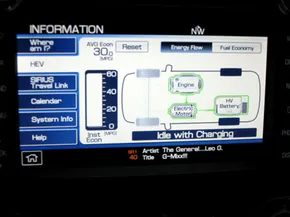
A full hybrid packs two distinct power sources. You’ve got the standard internal combustion engine. Plus an electric motor fed by a battery pack. This setup allows the car to run on electricity alone for short bursts. Think city speeds. Usually up to 40 mph (64 km/h). Once you push harder, the gas engine wakes up to help.
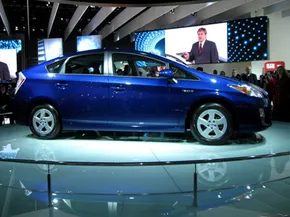
Popular examples? The Toyota Prius. The Ford Escape Hybrid. These cars can coast on electric power. They optimize energy use in stop-and-go traffic.
Then there’s the mild hybrid. Or “assist” hybrid. It has both an engine and a motor. But they work together. Always. The electric motor adds torque. It helps the engine save fuel. It cannot drive the car on its own. No electric-only mode.
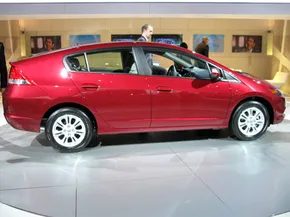
Think of the Chevrolet Malibu Hybrid. Or the Honda Insight. The electric system is there to assist. Not to take over.
The Price Gap is Real
You pay for technology. That’s basic economics.
A Lexus full hybrid luxury sedan costs significantly more than a base model gas car. A Honda Insight with a mild hybrid system? That’s priced closer to its non-hybrid cousins. The gap varies wildly by brand and system complexity.
Luxury brands charge a premium for eco-tech. Economists call it the “green premium.” Shoppers feel the pinch at the dealership.
Fuel Economy: The Math That Matters
Hybrids beat non-hybrids on mileage. Period.
Look at the 2009 Ford Escape. It’s a good case study.
- Standard Gas Model: 20 mpg city. 28 mpg highway.
- Hybrid Model: 34 mpg city. 31 mpg highway.
The difference is stark. Especially in the city. Stoplights kill gas efficiency. Hybrids recapture energy during braking. They run on electricity at idle. The numbers prove it.
Even large trucks benefit. A mild hybrid with start-stop technology can boost fuel economy where it matters most. Idling in traffic. Heavy loads.
When Does the Savings Kick In?
The sticker price is higher. So when does it break even?
It depends on how much you drive. And what you pay for gas.
If you’re a commuter. If you drive in cities. You’ll see savings fast. The electric motor does the heavy lifting at low speeds. That’s where gas guzzlers struggle.
Highway driving tells a different story. Aerodynamics dominate. Hybrid benefits shrink. You still get better numbers than a gas-only car. But the gap narrows.
Lifestyle plays a role. Where you live affects electricity costs. And gas prices. A hybrid makes sense in California. Maybe less so in a state with cheap fuel and mild weather.
The Bottom Line
Eco-friendly driving doesn’t always equal economic sense. Not immediately.
You’re betting on future gas prices. And your annual mileage.
If you buy a mild hybrid. The cost is lower. The savings are modest. It’s a safer bet for budget-conscious buyers.
Full hybrids offer bigger fuel savings. But the premium is steep. You need high mileage to recoup that cost.
Check your driving patterns. Look at local gas prices. Do the math before you sign.
The green craze isn’t cooling. But it’s getting selective. Smart shoppers are weighing every variable.
Hybrid In
Buying a hybrid makes sense on paper. Lower fuel bills. Fewer emissions. Some cash back from the government. But the sticker shock doesn’t end at the dealership. The upfront cost of the technology is steep, and while incentives help, they don’t cover the full picture.
Federal tax credits offer a lifeline. You’re looking at up to $3,000 off the bat. It’s not a blank check. The amount depends on the specific model and when you buy it. The government built in a sunset clause. They want to jumpstart the market. Once hybrids hit mainstream popularity, those credits vanish. It’s a temporary push to get you to the door.
Then there’s the state level. The map is patchy. Oregon throws in up to $1,500 for eligible buys. California goes heavier, offering rebates up to $5,000 for hybrid purchases. Some places don’t give you cash. They give you time. Georgia lets you skip the traffic jam by granting free access to HOV lanes. No passenger requirement. You’re just driving in the fast lane because your engine runs on two sources of power.
The savings stack up at the pump. Especially when gas spikes. Remember the summer of 2008? Prices were astronomical. Hybrids ate that up. But the savings aren’t just about liquid fuel.
Look at the brakes. Hybrid braking systems use regenerative technology. The electric motor fights the momentum of the car. It slows the vehicle down before the physical brake pads even kiss the rotors. The result? Minimal wear. A traditional car might demand new pads every 10,000 miles. A hybrid? You might not touch them for 50,000 miles. That’s a significant chunk of maintenance cost erased.
But here’s the thing. Those savings are long-term. The initial buy-in is heavy.
So, where does that leave you? The incentives are real. The fuel savings are proven. The brake pads last longer. But the hardware is complex. And complex hardware costs money to fix.
Repair Realities
The Hybrid Premium and Real-World Savings
Buying a hybrid isn’t a free lunch. You pay an upfront premium. It’s not the sky-high markup from the late nineties anymore, but it still stings. Thousands of dollars separate the base gas model from the hybrid variant. Financial incentives help, sure. They chip away at the sticker shock. But the gap remains a real factor in your buying decision.
Fuel costs are the second variable. When gas is cheap, your break-even point drags out. You might drive ten years and never recover that initial extra cost. When gas spikes, the math flips. The premium gets recouped faster. But let’s be honest. High prices hurt everyone. Your wallet bleeds regardless of whether you’re running on gasoline or a combo of gas and electricity.
Then there’s the battery anxiety.
People worry about the pack dying. They assume replacement costs will be prohibitive. The fear isn’t entirely baseless. These batteries are expensive. You’re looking at high-tech chemistry. Nickel-metal hydride (NiMH) or lithium-ion. Both cost a pretty penny to replace if they fail.
Car makers know this worry. That’s why they test relentlessly. In the lab. On the street. They want to prove durability. We’re talking about longevity here. Some original Honda Insights hit 200,000 miles with their original battery packs. That’s 321,869 kilometers. Ford guarantees their packs for 10 years or 150,000 miles. Their test fleets? They’ve never needed a battery swap. The data suggests these things last.
Pricing a 2009 Honda Civic Hybrid
Let’s run the numbers. It’s 2009. You’re standing in front of a Honda Civic. You want to save the planet. Your bank account says maybe later.
We’re looking at the base models. The conventional sedan costs $15,505. The hybrid version? $23,650. That’s a premium of $8,145. Roughly five thousand dollars for the green badge.
Incentives matter. The federal tax credit for the Civic hybrid has already been phased out. It was popular. Too popular. But you live in Oregon. The state offers a $1,500 credit. That brings your out-of-pocket premium down to $6,645.
Now look at the efficiency.
The regular Civic gets 25 mpg in the city. 36 mpg on the highway.
The hybrid? 40 mpg city. 45 mpg highway.
The EPA estimates $300 in annual fuel savings. You plan to keep the car for seven years. That’s $2,100 total. The premium shrinks to $4,545.
But what if gas stays high? We saw $4 a gallon regularly in 2008. At those prices, savings jump to $650 a year. Over seven years, you’re looking at $4,550 in savings. The premium drops to $2,095.
Is it cheaper? Maybe not immediately. But it’s not a money pit.
Some hybrids are cheaper. Smaller premiums. Better incentives. Others are luxury machines. They might never pay you back in fuel savings. But they still reduce your carbon footprint. The environment wins even if your ledger doesn’t.
You can also influence the cost. Drive carefully. Use the electric motor. Squeeze every mile out of a gallon. Some buyers treat hybrids as a hedge against future gas spikes. It works best if you hold the car for five years or more.
The market has changed. Hybrids are everywhere now. Some models break $20,000. Most people find a car they like at a price they can manage. The question isn’t just about money. It’s about what you’re willing to pay for peace of mind.