


The electric vehicle is here. It stays put.
Fleets have moved past the “can this car do the job?” phase. That ship has sailed. Ore Oluwatudimu at ChargePoint sees a different problem emerging. One that eats into margins and sanity.
Volume.
It is no longer a pilot project. It is mainstream chaos. Home charging. Work chargers. Public networks. A scattered mess of sessions that fleet managers are trying to corral. Who is plugging in? Where? How much power was drawn? Which provider charged what rate? It is a nightmare of variables.
Strategy shifts when you realize the hardware isn’t the issue.
The issue is data.
Look at the spread. Home overnight charging can hit as low as 7p per kilowatt-hour. A rapid public DC charger? 92p.
That gap is not trivial.
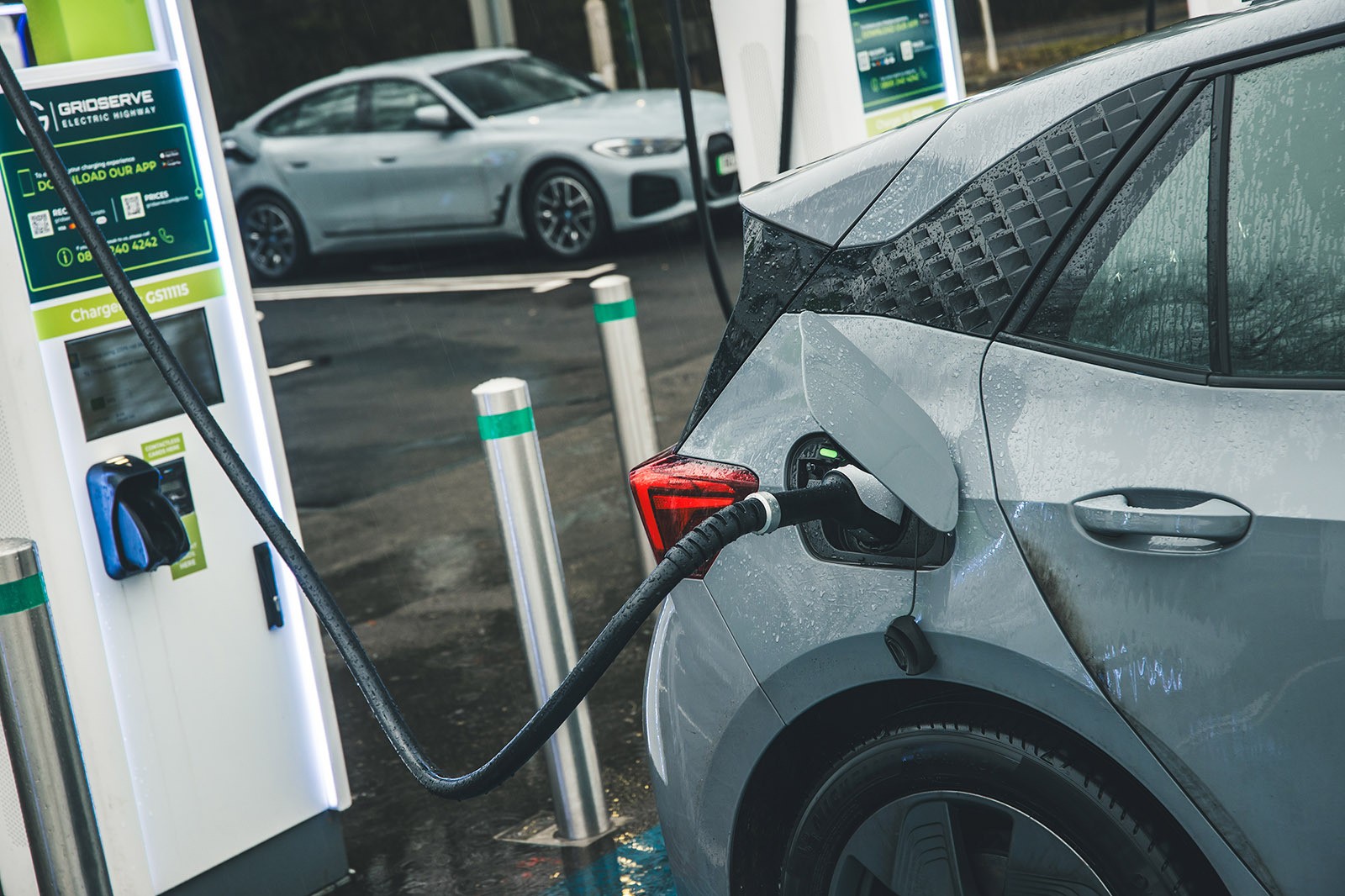
For a Volkswagen ID 3 Pro Match, the cost per mile swings wildly. It sits at 2p if you’re lucky and have a domestic socket. It jumps to 23p if you rely on rapid DC hubs. Compare that to a petrol VW Golf eTSI. Suddenly, the petrol car looks cheaper. Actually, it is cheaper, provided you charge on DC for more than half your miles.
Do the math. The electric dream evaporates.
“Electrification strategies are becoming data-driven,” Oluwatudimu noted. “It’s about efficiency and controlling total cost of ownership while keeping drivers powered.”
ChargePoint is pivoting to match this anxiety. They own 927 public UK chargers. Good. But they are locking down the app and RFID access. As of late June, unless you work for a company on the roster, you don’t get easy entry. Contactless payments work for the public. But ChargePoint wants the B2B relationship. They want to sell software. Not just hardware.
Why? Because fleet managers have enough plates spinning.
They want tools, not infrastructure headaches.
Enter the Driver Management Solution. It tracks energy. It consolidates costs. It automates expense claims. No more guessing games.
The alternative is manual. You use the HMRC-approved rates. 7p for home. 15p for public. You apportion the journey yourself. You hope you did the fractions right. Or you set your own rates. And prove they are accurate. Auditors love that stuff.
Hardware tweaks help too. “Dynamic load management” shunts energy use to cheaper windows. Centralised AC-to-DC conversion cuts the loss at the depot. Efficiency gains, sure. But small ones in a large problem.
Integration remains the holy grail. Telematics. Energy grids. Fleet platforms. All talking to each other. Maybe.
It’s a slow build. The data trail is still being forged. Fleets are swimming in information. Most are drowning in it. The cars are fine. It is everything else that breaks down.
Someone needs to sort out the plug. Eventually.


