The 80s broke everything. Sport bikes grew faster, sharper, and louder than anything engineers thought two wheels could handle. The big four Japanese makers didn’t just chase speed. They worshipped it. By the 2000s, though, reality kicked in. The 186 MPH self-imposed ceiling forced them to stop making fast rockets and start building fast handlers.
You can buy these machines used today. There’s always a risk with older high-strung machines, obviously. Do your homework. Check the service logs. But if you find them right? They’re better than the shiny new plastic boxes rolling off the lot now. Here’s the list, from old money to new obsession.
1992 Honda NR720: The Engineering White Elephant
Price: $90,000 – $100,00+
Honda likes weird. The NR750 (often called NR720) had an engine that defied logic. Oval pistons. It looked like a V8 squeezed into a V4. It worked, technically, but the cost was astronomical. Only made to meet homologation rules for World Superbike.
Look at the tank. The tail section. That design? That was Massimo Tamburini’s notebook before he drew the Ducati 916. This bike is a museum piece with a price tag to match. Why does it cost more than a luxury sedan? Scarcity. History. The fact that it’s one of only ~900 ever made for the street. It’s not a tool. It’s an artifact.
2005 Suzuki GSXR1000: The Late Bloomer
Price: $5,000 – $7,000
Suzuki slept on the liter-class game while Yamaha ruled with the R1. By 2005, though, they woke up angry. The K5 GSX-R100 wasn’t just competitive. It was dangerously fast. Track guys still run these. In good shape? They out-handle half the modern lineup. You don’t need traction control to know how much rear tire grip this thing has.
2006 Yamaha YZR-R6: The Tech Leap
Price: $4,000 – $6,00
Everyone copied the R1’s bulk. Yamaha ignored them and made the R6 rev to infinity. The 2006 model dropped a bombshell on the industry. It was the first mass-market bike with ride-by-wire throttle. No mechanical cables pulling the fuel injection open. Sensors and wires only.
For four grand, you get tech that took years for European rivals to adopt. It’s twitchy. It’s sharp. It screams at 17,500 RPMs and laughs at physics. Is it comfortable? No. But is it a better track tool than most current mid-displacement bikes? Probably.
2008 Suzuki Haybusa (Gen 2): The Speed Queen’s Prime
Price: $7,000 – 9,000**
The first-gen Hayabusa scared people. It was too fast. Too heavy. Ugly. The second gen, debuting in 2008, fixed the look and added 194 ponies. Yes, it has the limiter. Yes, it stops at 186 MPH. But the torque delivery? Effortless.
The chassis is plush. It swallows bad roads. Third-gen Hayabasas exist, sure, but they lost some of the soul. The Gen 2 hits a sweet spot where power feels usable. It’s a monster in a suit. And no, modern sports bikes with complex electronics won’t beat it in a straight drag. They might turn better.
200 Kawasaki Ninja ZX10R: Analog Brutality
Price: $5,000 – 7,000**
Forget the slick digital dashboards. The 2008 ZX-10R was pure mechanical fury. Add the optional ram-air kit? You’re looking at 200 HP from an inline-four that weighs 459 pounds dry-ish. No traction control. No cornering ABS. Just you and the throttle.
This is where things get dangerous. Wrong rider? Hospital visit. Right rider? A feeling few bikes today can replicate. It’s raw. Unfiltered. Terrifying? Only if you let your imagination run ahead of your braking point. It’s the last great analog liter bike. Treat it accordingly.
2011 Suzuki Gsxr75: The End of an Era
Price: $6,000 – 8,00**
Suzuki let the GSX-R75 slide into obsolescence by 2011. Critics called it lazy. The chassis argued otherwise. Razor-light. Stiff. That high-revving 4-cylinder still makes power like nothing else in its class. You can buy new mid-weight bikes. Sure. Do they sound like a banshee in heatstroke? Do they feel as direct?
For half the cost of a new CBR600R or similar, you get a refined, nearly perfect motorcycle. The platform hadn’t aged; it had settled. It’s cheap insurance on pure fun. Why wait for perfection when it’s already there?
201 Kawasaki Ninja ZX14R: Quarter Mile King
Price: $6,000$ 8,000**
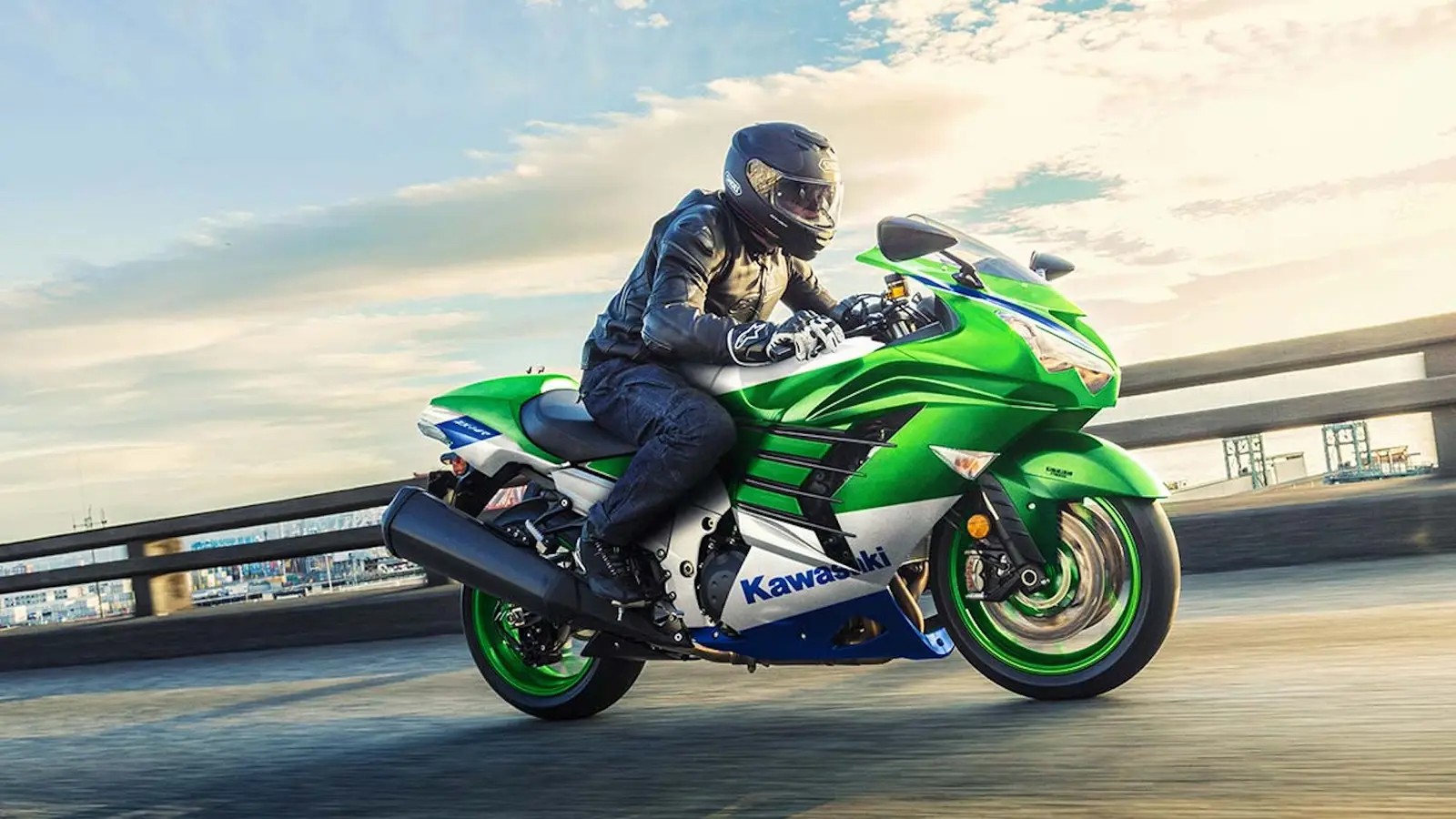
Don’t call this a sport bike. Call it a missile with a seat. The 2012 ZX-14R got its final update here. 200+ HP. Ram air included? It runs a 9.5-second quarter-mile. Few production motorcycles touch that. Modern liter bikes might corner harder, but try putting their backs into this thing and keeping the pegs off the pavement. You won’t.
It’s heavy. It’s loud. It makes V8s nervous. If you want to burn rubber on B-roads with nothing between you and pure forward motion, this is it. Is it nimble? No. Does it matter when the throttle opens? Absolutely not.
20 Yamaha YzfR1: The Benchmark
Price: $12,00 – 14,0**
The 1998 R1 started the modern sport bike wars. The 20 model continues them, quietly dominating the reliability charts. It keeps the legendary CP4 engine. Same crank angle. Same cross-plane firing order. That distinctive rumble? That’s the sound of Yamaha refusing to compromise for trendiness.
Electronics improved over the years. The chassis stiffened. But the heart is unchanged. It’s bulletproof. Find a clean 2015. It’ll run faster and last longer than 90% of its current competition. You don’t just ride an R1; you inherit its legacy. And the repair bills stay predictably low.
207 Honda CBRR Fireblade: Usability Redefines Performance
Price: $9,00$ 11,0**
Forget the current Fireblade. It’s compact, aggressive, almost alien. The 207 model? It’s a bike. The ergonomics won’t fold your spine after an hour of riding. The weight? 432 lbs. That’s lighter than many modern naked bikes. The 189 HP feels punchy, not explosive.
This generation bridged the gap between track weapon and weekend cruiser. It doesn’t try too hard. The result? A motorcycle you actually want to ride daily. The new bikes are better on the clock. This one? Better for humans.
Kawasaki Ninja H2r: The Niche That Broke Physics
MSRP: $62,00 (Track Only)
Should this even be here? Maybe not. The H2R makes 300+ horses thanks to a supercharger. It hits 249 MPH. It shreds tires and records alike. But here’s the kicker: You can’t license it. It’s track only. And ironically? It’s not much of a track bike for anyone but professionals. Too heavy. Too much power. Too narrow margin for error.
It moved the needle so far that no one bothered trying to beat it on stock components. It exists to shock the system. A masterpiece of excess. A niche so tight it barely qualifies as a category. You don’t ride the H2R. You survive it. Or you just admire it from across the pit wall.