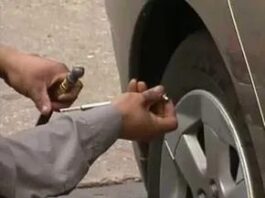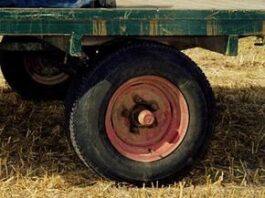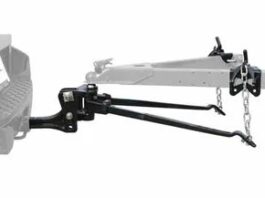
You know that feeling. You are loading up for a weekend trip. The backseat is buried under soccer gear, the trunk is a Tetris puzzle of duffel bags, and you realize you have zero room for a spare tire.
Donut spares are annoying. They are dirty, they take up space like nobody’s business, and they feel like a compromise. Full-size spares are better but even worse for storage. If you are towing a trailer, a flat tire is a catastrophe. You do not want to be stranded without a replacement.
Most vehicles and trailers have external mounts. Locking bars or bolts hold the tire in place. But what if you do not have one? Or what if your current mount is broken, or you just need a second spare?
You can install a spare tire mount on your vehicle or trailer. It is not that hard. This guide covers the different types of mounts, how to pick the right one, and how to install it.
Why you need a dedicated spare tire mount
Storage is the main issue. If your trunk is full, a spare tire is a liability. You need a place that does not eat into passenger or cargo space.
External mounts solve this. They keep the tire accessible and out of the way.
Types of mounts
- Tongue-mounted: Bolts to the trailer tongue. Good for trailers.
- Frame-mounted: Clamps or bolts to the vehicle frame. Common for trucks and SUVs.
- Bumper-mounted: Attaches to the bumper. Good for passenger cars.
- Hitch-mounted: Hooks onto the trailer hitch. Flexible placement.
Each has pros and cons. Tongue mounts are stable but limited to trailers. Frame mounts are strong but require drilling. Bumper mounts are easy to install but may not handle heavy loads.
How to choose the best spare tire mount
Start with your tire size. Measure the diameter and width. The mount must support the weight.
Check your vehicle’s payload capacity. Do not overload the frame or bumper. A 35-inch off-road tire weighs more than a standard highway tire.
Consider the material. Steel is durable. Aluminum is lighter. For heavy-duty use, steel is better.
Look at the locking mechanism. A quick-release lever is convenient. A bolt-and-nut system is more secure.
Where to install the mount on your vehicle
Placement matters. You want the tire to swing freely. It should not hit the ground or other parts when turning.
For trucks, the frame rail is a common spot. For SUVs, the rear bumper or spare tire carrier area works well.
For trailers, the tongue or side brackets are standard. Make sure the mount does not interfere with the jack or lights.
How to install a spare tire mount
Tools needed:
– Drill
– Holesaw or hole saw
– Bolts and nuts
– Wrench
– Level
Steps:
1. Mark the mounting location.
2. Drill holes according to the template.
3. Secure the bracket with bolts.
4. Attach the tire holder.
5. Test the swing.
Use washers to prevent damage. Torque bolts to specification.
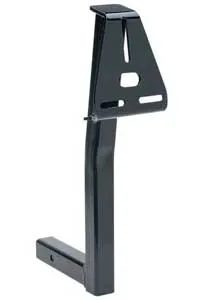
Spare Tire Mount Placement for Trucks and Trailers
Manufacturers love hiding spares. Trunk, roof, engine bay, underbody. They find a spot. But when you go DIY, the constraints hit hard. You are not limited to the same creative freedom.
If you bolt a carrier to the rear, does the trunk still open? What about the truck bed? Cargo space disappears the moment that tire takes up real estate. Offset and extra-offset trailer mounts solve this. They push the spare away from the mounting point, clearing space where you actually need it.
Trailers have their own headache. A spare tire is a lifesaver against flats, sure. But dead weight on the axle eats into your payload capacity. You do not want a tire hanging there forever. Some designs mount the spare on a rotating axle under the trailer tongue. That little extension connects the payload to the tow vehicle. Here, the spare doubles as a dolly wheel. When you unhitch, the tire rolls. It pulls the trailer. No extra gear required.
Matching Bolt Patterns for Your Spare
Picking the mount is only half the job. The tire itself must match. Not all tires play well together. The first thing to check is the bolt pattern. Your wheel might have four, five, or even eight holes.
Next, calculate the bolt circle. This is the diameter of the imaginary circle the bolts trace. Even numbers are easy. Measure hole to opposing hole. Odd numbers get trickier. Measure from one hole to the midpoint between the two opposing holes. A five-hole wheel with a 4.5-inch (114.3 mm) circle is written as 5 on 4.5.
Some mounts are universal. They accept most patterns. Others are picky. If your mount only fits specific measurements, you are stuck with that size. Know your numbers before you buy.
Securing Your Spare Tire
What happens when someone swipes that expensive spare off your roof or rear bumper? It happens. More often than you think.
Tire carrier locks exist for exactly this reason. They keep the externally mounted tire under lock and key. Simple, but effective. You choose the mount, you match the bolt pattern, and you secure it. Then you install it. The next section covers how that spare actually becomes part of your vehicle or trailer setup.
How to Install a Spare Tire Mount Without Welding
That bracket isn’t going to bolt itself onto your bumper. If the task feels like more than you want to deal with, a local garage will handle it for a fee. Otherwise, grab your socket wrench.
The difficulty swings wildly depending on which mount you picked. Some jobs are a ten-minute bolt tightening session. Others require a welding torch, and maybe a spotter.
Trailer hitch mounts are the low-hanging fruit. Remove the drawbar or hitch cover. Slide the mount into the receiver tube. Lock it down with a hitch pin. If it rattles, add a hitch stabilizer. Check that the mount matches your hitch size first.
Bumper mounts use U-bolts. These long, two-headed bolts wrap around the bumper and screw into the mount. They lock everything firmly in place. No welding required.
Tongue and frame mounts work best on trailers that are essentially metal skeletons. Boat haulers are a prime example. You can latch the mount to almost any part of the frame, provided it doesn’t block the payload or interfere with towing. Most designs sandwich the trailer beam. One piece goes on one side, a pair of long, narrow clamps go on the other. Four bolts hold it together. Some models use U-bolts instead.
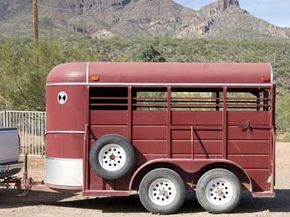
Horse trailer mounts are different. These are usually a single rectangular piece with legs bent down at the ends. Installation typically involves welding the legs to the trailer. The gooseneck area between the trailer and hitch is the common spot.
Truck bed mounts keep the spare off the floor. Throwing a tire in the back unsecured invites theft and damage. Bed mounts bolt to the side near the wheel well, or to the center of the bed on an angled tripod. Some even tuck the spare under the bed. It comes down to how you actually use the truck.
Need something specific? RVs and Jeeps have their own dedicated mount designs. Roof rack mounts exist, too. If you have a weird vehicle, someone has already designed a solution for it.
Check your inventory before you start. Make sure you have the right hardware for the specific mount type you chose.
Why spare tire mount kits come with different hardware
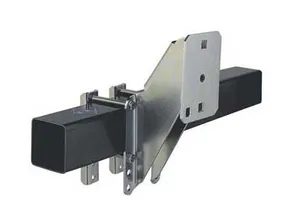
The contents of a spare tire mount kit vary by design. A tongue mount or frame mount kit might include the carrier itself plus the specific bolts, screws, and backing pieces needed for assembly. However, manufacturers do not standardize what is included. One brand might hand you a complete hardware pack; another might sell the bracket alone, leaving you to source your own fasteners and tools.
This is similar to buying a snack pack. A cracker, cheese, and paddle combo gets you a sandwich. If you want peanut butter, you need a different product. The logic is the same here. You need to verify that the kit matches your specific mounting scenario.
How to avoid a second trip to the auto parts store
You have already evaluated your vehicle or trailer and researched the installation process. Do not assume the “kit” covers everything. If you are missing even one bolt or the correct wrench, you are making another trip.
- Check the fitment: Determine if the kit is general-purpose or specific to your vehicle model.
- Verify the hardware list: Ensure the package includes all necessary bolts, screws, and backing pieces for your chosen mount type.
- Consult a professional: If you are unsure whether your tooling is sufficient, ask a shop employee before paying.
“Make sure you know what you need, ask a professional if necessary and check to make sure the spare tire mount kit has all the necessary pieces.”
What else can you tow with these mounts?
Spare tires are just one item you can haul. Vehicles and trailers accommodate a wide range of cargo. Understanding the broader context of towing helps you make better decisions about load distribution and safety.
The ecosystem around towing involves more than just securing a tire. It includes:
– Evaluating towing risks
– Managing trailer safety protocols
– Loading and unloading towed vehicles
– Backing up with a trailer
– Boat towing and launching procedures
– Braking, shifting, turning, and passing techniques while towing
Resources like Etrailer.com, StreetSideAuto.com, and the U-Haul Towing Glossary provide deeper technical details on these topics. Tire Rack’s Wheel Tech Information also offers data on wheel specifications. Whether you are hauling a boat or just a spare, the principles of safe loading and vehicle handling remain consistent. The hardware might differ, but the goal is the same: getting to your destination without losing parts or control on the highway.