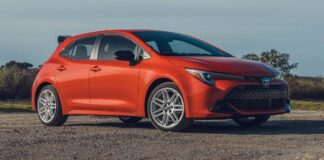
Load a subcompact hatchback with case after case of ceramic tile at the home center. You’ll see it instantly. The rear suspension compresses. The bumper kisses the asphalt. The front end lifts up like a seesaw. It’s obvious. That little car wasn’t built to haul heavy loads.
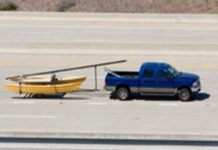
Even a full-size pickup or an SUV has limits. Sure, they can take more abuse than a Honda Fit. But load them up enough, and that rear end will still sag. The difference is just scale. You need more weight to break them.
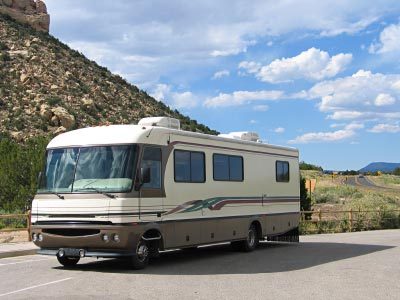
Now picture a massive Class A motorhome. You could load that thing with furniture, appliances, and a dozen people. Unless you stuffed it to the brim, you wouldn’t notice a thing. The chassis is beefy. The suspension is tuned for it. But where is the line? When does “full” become “dangerous”?
You need one number: cargo carrying capacity. It’s not just a guess. It’s a calculation. And if you ignore it, you’re playing with fire.
The Math Behind the Weight Limit
Most people think weight limit is just about how much stuff fits in the back. Wrong. It’s about safety margins. Exceeding it can destroy your brakes, blow your tires, or worse. The RV industry uses a specific formula to determine exactly how much payload you can safely add.
Here is how to calculate the cargo carrying capacity for your recreational vehicle. It sounds complex, but it’s basic arithmetic.
-
Start with the Gross Vehicle Weight Rating (GVWR).
This is the maximum total weight the vehicle is designed to handle. Think of it as the absolute ceiling. For this example, let’s use a RV with a GVWR of 20,000 pounds. -
Subtract the Unloaded Vehicle Weight (UVW).
This is the weight of the RV itself, right off the lot. Crucially, this includes a full tank of fuel, coolant, and oil. Manufacturers provide this figure. In our example, the UVW is 14,500 pounds.- 20,000 – 14,500 = 5,500 pounds remaining.
-
Subtract the Sleeping Capacity Weight Rating (SCWR).
This is a fixed safety buffer. Manufacturers assume a certain weight per person to keep you safe. The standard calculation is 154 pounds per sleeping position. If your RV has six beds, you have to account for that potential load even if no one is in them yet.- 6 positions x 154 pounds = 924 pounds.
- 5,500 – 924 = 4,576 pounds remaining.
-
Subtract the Propane (LP Gas) Weight.
Propane tanks are heavy. Standard density is 4.2 pounds per gallon. If you have a 12-gallon propane setup, that’s weight you can’t use for luggage.- 12 gallons x 4.2 pounds = 50.4 pounds.
- 4,576 – 50.4 = 4,525.6 pounds remaining.
-
Subtract the Fresh Water Weight.
Water is dense. At 8.3 pounds per gallon, a full fresh water tank is no joke. A typical 25-gallon tank adds significant mass.- 25 gallons x 8.3 pounds = 207.5 pounds.
- 4,525.6 – 207.5 = 4,318.1 pounds.
The result? 4,318.1 pounds. This is your cargo carrying capacity. This is the hard limit for everything else: clothes, food, bikes, pets, and extra gear. Do not exceed this number.
Where to Find Your Vehicle’s Specs
If you’re not buying a new RV, where do you get these numbers? The manufacturer. They are required to provide this data. Check the owner’s manual. Look for a sticker on the driver’s side door jamb. Or search online. Most major manufacturers publish GVWR, UVW, and CCC charts on their websites.
For passenger vehicles, the concept is similar, though the metrics often focus on cargo volume in cubic feet rather than weight limits for consumer marketing. However, the weight limits (payload) still apply and are critical for towing safety.
Below are examples of cargo volume specifications for popular passenger vehicles. Note that while volume is listed, the actual weight you can carry is strictly governed by the vehicle’s payload rating, which varies by trim and options.
Acura Cargo Capacity
| Year | Model | Cargo Capacity (ft³) |
|---|---|---|
| 2006 | MDX | 81.5 |
| 2006 | RL | 13.1 |
| 2006 | RSX | 25.3 |
| 2006 | TL | 12.5 |
| 2006 | TSX | 13.2 |
| 2007 | MDX | 83.5 |
| 2007 | RDX | 60.6 |
| 2007 | TL | 12.5 |
| 2008 | MDX | 83.5 |
| 2008 | RSX | 60.6 |
| 2009 | MDX | 83.5 |
| 2009 | RSX | 60.6 |
| 2009 | TSX | 12.6 |
Related Specs: Acura GVWR, Acura GAWR, Acura GCWR, Acura Curb Weight, Acura Payload, Acura Towing Capacity
Audi Cargo Capacity
| Year | Model | Cargo Capacity (ft³) |
|---|---|---|
| 2006 | A3 | 54.6 |
| 2006 | A4 | 13.4 |
| 2006 | A6 | 15.9 |
| 2006 | TT | 24.2 |
| 2007 | A3 | 54.6 |
| 2007 | Q7 | 88.7 |
| 2007 | S6 | 13.9 |
| 2008 | A5 | 16.1 |
| 2008 | Q7 | 88.7 |
| 2008 | R8 | 3.5 |
| 2008 | TT | 8.8 |
| 2009 | A5 | 16.1 |
| 2009 | Q7 | 88.7 |
| 2009 | R8 | 3.5 |
Related Specs: Audi GVWR, Audi GAWR, Audi GCWR, Audi Curb Weight, Audi Payload, Audi Towing Capacity
BMW Cargo Capacity
| Year | Model | Cargo Capacity (ft³) |
|---|---|---|
| 2006 | 325 | 12 |
| 2006 | 525 | 14 |
| 2006 | X3 | 71 |
| 2006 | X5 | 54.4 |
| 2007 | 328 | 11.1 |
| 2007 | X5 | 61.8 |
| 2008 | 128 | 13.1 |
| 2008 | 528 | 14 |
| 2008 | X6 | 59.7 |
| 2009 | 135 | 13.1 |
| 2009 | 535 | 14 |
| 2009 | X6 | 59.7 |
Related Specs: BMW GVWR, BMW GAWR, BMW GCWR, BMW Curb Weight, BMW Payload, BMW Towing Capacity
Most manufacturers also allow you to browse these specs by brand. You can find detailed weight and towing data for Acura, Audi, BMW, Buick, Cadillac, Chevrolet, Chrysler, Dodge, Ford, GMC, Honda, Hummer, Hyundai, Infiniti, Isuzu, Jaguar, Jeep, Kia, Land Rover, Lexus, Lincoln, Mazda, Mercedes-Benz, Mercury, MINI, Mitsubishi, Nissan, Pontiac, Porsche, Saab, Saturn, Scion, Smart, Subaru, Suzuki, Toyota, Volkswagen, and Volvo.
Knowing your numbers isn’t about being paranoid. It’s about respecting physics. Your tires have a limit. Your suspension has a limit. Your brakes have a limit. When you ignore the cargo carrying capacity, you’re betting against all of them.
GM Brand Interior Volume Breakdown
The numbers tell a story about how American manufacturers shifted their focus between 2006 and 2009. It wasn’t just about bigger engines or sharper styling. It was about volume. Specifically, how much stuff you could fit inside the metal box without needing a trailer.
Buick’s Transition Period
Buick was in a weird spot during these years. The old guard was hanging on, while the new midsize crossover revolution was just starting to take root.
Look at the 2006-2007 Buick LaCrosse. It offered a tight 16 cubic feet of cargo space. Not much for a sedan, but standard for the class. The Lucerne wasn’t much better at 17 cubic feet. If you needed to haul more than a few suitcases, you were stuck.
Then there were the trucks and large SUVs. The Buick Rainier (2006-2007) gave you 80.1 cubic feet. The Rendezvous offered 108.9 cubic feet. But the real game-changer was the Terraza, which sat at a massive 136.5 cubic feet in 2006.
By 2008, Buick killed the Rendezvous and Terraza. In their place came the Enclave. The new midsize luxury crossover offered 116.2 cubic feet of space. It was smaller than the Terraza, sure, but it was more efficient. The 2009 model dipped slightly to 115 cubic feet.
The shift from large, truck-based SUVs to car-based crossovers didn’t always mean more space. It meant better packaging.
Cadillac’s Luxury Limits
Cadillac played a different tune. Performance and status often trumped utility.
The CTS and CTS-V started at a meager 12.5 cubic feet in 2006-2007. They grew slightly to 13.6 cubic feet by 2008-2009. Barely a dent in the market for daily haulers.
The full-size sedans fared better. The DTS held steady at 18.8 cubic feet. The STS and STS-V stayed at 13.8 cubic feet for the entire four-year block. The XLR and XLR-V roadsters? A pitiful 11.6 cubic feet. You weren’t buying those for groceries.
SUVs were where the volume lived. The Escalade started at 104.6 cubic feet in 2006, then jumped to 108.9 cubic feet in 2007. The Escalade ESV (Extended Sport Utility Vehicle) was the hauler’s dream, starting at 131.6 cubic feet and growing to 137.4 cubic feet by 2007. That space stayed constant through 2009.
The SRX crossover offered 69.5 cubic feet from 2006-2008. But in 2009, the numbers got weird. The source data lists the SRX at 13.8 cubic feet for 2009. That’s likely a data error in the source, as the SRX didn’t shrink by 50 cubic feet in a year. The Escalade Hybrid also appears with 69.5 cubic feet in 2009, matching the SRX figure, which suggests a cross-reference error in the original dataset.
Chevrolet’s Volume King
Chevrolet was the volume champion. They had everything from tiny subcompacts to massive work vans.
The Aveo (2006) started high at 42 cubic feet, then dropped to 12.4 cubic feet in 2007-2008 before snapping back to 42 cubic feet for the 2009 model year. Why? Likely a mix-up between sedan and hatchback (Aveo5) specs in the source data.
The HHR was a practical standout. It offered 63.1 cubic feet in 2006. The 2007-2009 models settled at 57.7 cubic feet for the standard body, but the HHR Panel (the work van version) offered 62.7 cubic feet.
Trucks were interesting. For 2006, most Silverado and Tahoe entries show a dash (“-“). This usually means the data wasn’t recorded or the configuration varied wildly by bed length. By 2007, the Suburban landed at 137.4 cubic feet. The Tahoe sat at 108.9 cubic feet. These numbers held steady through 2009, including the Tahoe Hybrid.
The Express van was the undisputed king of volume. It offered a staggering 225.1 cubic feet for 1500, 2500, and 3500 models from 2006 all the way to 2009. If you needed to move a piano, a fridge, and a set of golf clubs, you took the Express.
The TrailBlazer offered 80.1 cubic feet from 2007-2009. The Equinox hovered around 67-68 cubic feet.
Need to move a house? Take the Express. Need to move a motorcycle? The Corvette’s 22.4 cubic feet might actually struggle, despite its size.
Chrysler Family Haulers
Chrysler leaned hard into minivans and wagons. They understood that families need space.
The PT Cruiser was a retro-icon that also happened to be huge. In 2006, it offered 92.2 cubic feet. By 2007-2008, it dropped to 62.7 cubic feet. This suggests the source might be comparing different wheelbase versions or configurations. The 2009 model returned to 62.7 cubic feet.
The Town & Country was the volume leader in Chrysler’s lineup. It started at 146.7 cubic feet in 2006. It dipped slightly to 144 cubic feet in 2007, then held at 143.8 cubic feet for 2008-2009. Consistent. Massive. Practical.
The Pacifica minivan offered 62.7 cubic feet in 2006, then jumped to 92.2 cubic feet in 2007. This aligns with the introduction of the longer-wheelbase Pacifica in 2007.
Sedans were tighter. The 300 and 300C started at 15.6 cubic feet, grew to 17.2 cubic feet in 2008, then returned to 15.6 cubic feet in 2009. The Sebring stayed around 11-13 cubic feet.
The Aspen SUV offered 102.4 cubic feet for its entire run (2007-2009).
Dodge’s Van Dominance
Dodge shared much of its platform with Chrysler, but their van lineup was even more aggressive on space.
The Grand Caravan was the volume monster. It offered 167.9 cubic feet in 2006-2007. By 2008-2009, it settled at 144.3 cubic feet. The drop likely reflects a change in measurement standards or the discontinuation of the longest wheelbase option.
The Sprinter vans were industrial workhorses. The Sprinter Van 2500 offered 247 cubic feet in 2006, then **318
Ford Capacity Shifts
The 2006 Ford lineup was a mixed bag. The Crown Victoria held just 20.6 cubic feet, while the full-size workhorses like the E150, E250, and E350 Super Duty offered massive 256.5 cubic feet of space. Mid-size options were tighter. The Escape provided 66.3 cubic feet, dropping slightly to 65.5 in the hybrid variant. The Explorer gave up 85.8 cubic feet. Trucks were sparse in the data for that year, with the F150 listing 37.8 cubic feet and the Ranger at 18.1. The GT was essentially a car, offering a meager 1 cubic foot.
By 2007, the Edge appeared with 69.6 cubic feet. The Expedition EL expanded to 130.8 cubic feet, a significant jump from the standard Expedition’s 108.2. The Explorer Sport Trac offered 44.4 cubic feet. The Freestar minivan saw a slight increase to 137.2 cubic feet. The F150, Ranger, and heavy-duty F250/F350 dropped out of the specific cubic foot measurements here, likely due to cab configuration variability.
2008 brought changes. The E-series vans dropped to 230.6 cubic feet. The Escape Hybrid stabilized at 66 cubic feet. The Taurus X entered the market with 85.5 cubic feet. The Focus left the list, perhaps phased out or reclassified. The Ranger returned with 18.1 cubic feet. The Taurus held steady at 21.2 cubic feet. The F-series trucks remained unlisted in this specific capacity metric.
In 2009, the Flex joined the family with 83.2 cubic feet. The Focus shrank significantly to 13.8 cubic feet, likely reflecting a shift to a newer platform or different measurement standard. The Escape Hybrid nudged up to 66.1 cubic feet. The Explorer and Explorer Sport Trac remained consistent at 85.8 and 44.4 cubic feet respectively. The heavy-duty F450 was listed but without a cubic foot figure, focusing instead on its utilitarian role.
GMC Utility and Volume
GMC’s volume strategy in this era relied heavily on the Savana vans. From 2006 through 2009, the Savana 1500, 2500, and 3500 maintained a constant 225.1 cubic feet of cargo space. That’s a lot of room for stuff, assuming you don’t mind the van’s footprint.
The mid-size SUVs saw more volatility. The Envoy held 43.7 cubic feet consistently from 2006 to 2009. The smaller Envoy XL was much tighter at 23.4 cubic feet in 2006. The Yukon started at 63.6 cubic feet in 2006, then dropped to 60.3 cubic feet from 2007 onward. The Yukon XL hovered around 45.7 to 45.8 cubic feet.
The Acadia arrived in 2007 with 19.7 cubic feet, expanding to 25.5 cubic feet by 2008 and holding that number through 2009. The Yukon Hybrid, introduced in 2008, offered a tight 16.9 cubic feet, a sacrifice for the electric assist. The Sierra 1500, 2500, and 3500 trucks were not assigned a specific cargo volume in these tables, likely due to the wide variance between regular, extended, and crew cabs. The Canyon and Sierra Hybrid also lacked specific figures here.
Honda’s Practical Spreads
Honda’s approach here was varied. The Accord sedan offered modest space, ranging from 11.2 cubic feet in the 2006 Hybrid to 14 cubic feet in the 2007 model before settling at 11.9 cubic feet for 2008 and 2009. The Civic was a different story. The 2006 and 2007 Civic sedans offered a generous 72 to 72.9 cubic feet, a huge number for a compact car, likely including rear seat folding. By 2008, that number plummeted to 35.7 cubic feet, and in 2009, it dropped further to 11.5 cubic feet, reflecting the shift to the new 9th generation Civic which prioritized a lower, sportier profile over trunk volume.
The CR-V remained stubbornly consistent at 10.4 cubic feet from 2006 to 2008. The Element was a boxy utility player, offering 74.6 cubic feet across the board from 2006 to 2008. The Fit grew from 41.9 cubic feet in 2007/2008 to 57.3 cubic feet in 2009, a smart move for a subcompact.
The Odyssey minivan was a volume king, holding 147.4 cubic feet from 2006 through 2009. The Pilot stayed steady at 87.6 cubic feet until 2009, when it dipped slightly to 87 cubic feet. The Ridgeline truck bed offered 41.4 cubic feet consistently. The S2000, being a sports car, offered just 5 cubic feet. The Insight Hybrid held 16.3 cubic feet in 2006, then dropped to 11.5 cubic feet in 2007, and 10.4 cubic feet in 2009.
Hummer’s Rigid Footprint
Hummer didn’t mess around with complexity. The H2 held 30.7 cubic feet of cargo space from 2006 through 2009. The H3 stayed at 29.5 cubic feet for the same period. The H1 Alpha and H3T were listed without specific cubic foot measurements, likely because their utility was defined more by off-road capability than enclosed storage. The numbers were static. No growth, no shrinkage. Just big, boxy storage space.
Hyundai’s Expanding Range
Hyundai’s lineup was smaller and more focused. The Accent offered 12.4 cubic feet in 2006, then settled at 15.9 cubic feet from 2007 to 2009. The Azera held 16.6 cubic feet consistently from 2006 to 2009. The Elantra grew from 13 cubic feet in 2006 to 14.2 cubic feet from 2007 to 2008. The Tiburon stayed at 14.8 cubic feet from 2006 to 2008.
The Santa Fe saw growth, moving from 30.5 cubic feet in 2006 to 34.2 cubic feet from 2007 to 2008. The Tucson remained steady at 22.7 cubic feet from 2006 to 2008. The Sonata held 16.3 cubic feet across 2006 to 2008. The Entourage minivan offered 32.2 cubic feet in 2007 and 2008. The Veracruz and 2009 Accent/Genesis/Elantra/Sonata/Tiburon/Tucson data points were either missing or not applicable in the same format, with the 2009 Hyundai list focusing on the new Genesis (15.9 cubic feet) and the established Sonata.
Infiniti’s Luxury Loads
Infiniti’s numbers were generally tighter, reflecting a luxury sedan and coupe focus. The G35 sedan offered 7.8 cubic feet from 2006 to 2008, then changed to 13.5 cubic feet in 2008 before dropping back to 7.4 cubic feet for the G37 in 2008 and 2009. Wait, the 2008 G35 is listed at 13.5, while the 2009 G37 is 7.4. That’s a significant drop. The G37 Coupe likely contributed to this tightening.
The M35 and M45 sedans held
Jeep, Kia, and Land Rover hauling capacity
If you are looking to move dirt, drywall, or just a lot of camping gear, the cargo volume numbers for these American and British brands tell a specific story about their design priorities. Jeeps generally lean toward utility. The 2008 Jeep Wrangler Unlimited is the outlier here, offering a massive 86.8 ft³ of space with seats folded. That is serious room. Compare that to the standard 2008 Wrangler at just 61.2 ft³. The difference matters when you are fitting a full-size mattress or a large kayak. The Commander sat in the middle ground, hovering around 68.5 ft³ through 2009. It was a mid-size SUV trying to be practical, and it mostly succeeded. The Liberty dropped slightly from 69 ft³ in 2006 to 64.2 ft³ by 2008. Probably due to packaging changes or tighter wheel wells.
Kia took a different route. They were chasing family haulers in the mid-2000s. The Sedona minivan was the clear winner. In 2006, it offered 141.5 ft³ of cargo space. That is huge. By 2007, it dropped to 121.3 ft³. Why? Maybe interior refinements or a different seat configuration. The Rondo was another option, sitting at 74.4 ft³. It was a small crossover with a tall roofline. The Sportage stayed steady at 66.6 ft³ from 2006 to 2008. Reliable numbers. The Sorento matched it at 66.4 ft³. If you needed space, you bought a Sedona. If you needed a compact SUV, you bought a Sportage. The Borrego arrived in 2009 with 97.6 ft³. A bold entry into the three-row market.
Land Rover played in the luxury segment. The LR3 was the workhorse. It offered 90.3 ft³ in 2006 and 2007. Then, something weird happened in 2008. The number dropped to just 9.9 ft³. This is likely a data error or a specific measurement condition (maybe seats up?). In 2009, it bounced back to 90.3 ft³. The Range Rover sat at 74.9 ft³ for the first two years, then dropped to 35.1 ft³ in 2008 before returning to 74.2 ft³ in 2009. The Range Rover Sport was consistent at 71 ft³. The LR2 appeared in 2009 with 58.9 ft³. It was the smaller, more agile option. Luxury doesn’t always mean maximum volume, but these numbers show Land Rover struggling to define the exact utility of their platform year over year.
Lexus and Lincoln storage specs
Lexus is about refinement, not just raw volume. The LX 470 and RX 330 offered plenty of room. LX 470 sat at 90.4 ft³ in 2006 and 2007. RX 330 was at 84.7 ft³. In 2008, the RX 350 dropped to 38.3 ft³. Wait, that is a massive drop. It must be seats up vs seats down, or a typo in the source data. In 2009, the RX 350 jumped back to 85 ft³. You have to be careful with those mid-year figures. The GX 470 was stable at 77.5 ft³ for years. The sedans were tight. ES 350 gave you 14.7 ft³. GS 350 was 12.7 ft³. The SC 430 convertible was tiny at 8.8 ft³. If you need to fit a golf bag, you might struggle. The IS-F appeared in 2008 with 13.3 ft³. It was a performance sedan. Not meant for hauling groceries. The LS 460 offered 18 ft³ in 2007 and 2008. A decent trunk for a flagship luxury car.
Lincoln was fading, but the big boys still held their ground. The Navigator was the king of space. 104.8 ft³ in 2006. 103.5 ft³ in 2007 and 2008. 104.7 ft³ in 2009. It barely budged. It was built like a truck. The Mark LT pickup was unique. It offered 47.9 ft³ of bed/cargo space. A niche vehicle. The Monterey minivan was hidden in the Mercury brand, not Lincoln, but worth noting for context. The Town Car offered 21.1 ft³. A solid trunk for a sedan. The MKX crossover was introduced in 2007 with 69 ft³. It was Lincoln’s answer to the premium SUV market. The MKZ and MKZ Hybrid sat at 15.8 ft³. The MKS arrived in 2009 with 18.7 ft³. It was larger than the MKZ. The Zephyr in 2006 was 15.8 ft³. Lincoln was trying to modernize, but the big SUVs remained the volume leaders. The data shows a clear hierarchy: SUVs > Crossovers > Sedans. Always.
Mazda and Mercedes-Benz utility
Mazda had a interesting mix of small cars and larger SUVs. The MPV minivan was the volume leader at 127 ft³ in 2006. Then it disappeared. The CX-9 took its place, offering 100.7 ft³ from 2007 to 2009. A strong entry. The Tribute was the compact SUV. It varied wildly. 66.8 ft³ in 2006. Then it dropped to 29.2 ft³ in 2008. Why? Maybe the hybrid version was tighter? The Tribute Hybrid in 2008 was even smaller at 27.8 ft³. Battery placement eats space. The Mazda6 was consistent at 58.7 ft³ from 2006 to 2008. In 2009, it crashed to 16.6 ft³. That is likely seats up. The Mazda5 minivan was steady at 44.4 ft³. The Mazda3 grew from 31.2 ft³ to 43.8 ft³ in 2007. It became more practical. The sports cars were tiny. MX-5 at 5.3 ft³. RX-8 at 7.6 ft³. You buy them for driving. Not for moving. The B-Series trucks had no data listed. Likely bed only, or not relevant to interior cargo.
Mercedes-Benz focused on engineering. The R-Class was a crossover van. It offered 85 ft³ from 2007 to 2009. It was weird. It looked like a station wagon but acted like a van. The GL-Class emerged in 2007 with 83.3 ft³. The ML-Class was stable at 72.4 ft³ throughout the period. The G-Class (G500/G55) offered 79.5 ft³. Box shape equals usable space. The sedans were small. C-Class at 12.2 ft³ to 12.4 ft³. E-Class at 15.9 ft³. S-Class grew from 15.4 ft³ to 19.8 ft³ in 2007, then settled at 16.3 ft³. The coupes were tight. CLS-Class at 15.8 ft³ to 15.9 ft³. CLK-Class at 5.4 ft³ to 10.4 ft³. The SLK-Class was small at 9.8 ft³. The SLR McLaren was a supercar. 9.6 ft³ in 2006, dropping to 7.2 ft³ in 2008. You don’t buy an SLR for cargo. You buy it for
How much space do 2006-2009 crossovers and sedans actually hold?
You pick a car for the drive. You stay for the trunk.
The gap between marketing fluff and cubic feet is where real life happens. Whether you are hauling gear for a weekend track day or just trying to fit three suitcases without squishing them, the numbers don’t lie. Here is the raw data for the brands that mattered between 2006 and 2009. No spin. Just volume.
MINI volume quirks
MINI never built for bulk. They built for personality.
The 2006-2009 MINI Cooper Convertible holds exactly 21.4 cubic feet. It’s tight. The Cooper Hardtop started at 25 ft³ in 2006, dipped to 24 ft³ by 2007, and stayed there.
If you needed more space, you looked to the Cooper Clubman.
* 2008 Clubman: 32.8 ft³
* 2009 JCW Clubman: 32.8 ft³
The hardtop versions remained consistent at 24 ft³ after the initial year. Tiny cars. Big attitude. Small trunks.
Mitsubishi: From compact to hauler
Mitsubishi played in multiple weight classes.
The Eclipse sedan/coupe was stuck at 15.7 ft³ across 2006, 2007, and 2008. The Galant was even smaller at 13.3 ft³. The Lancer hovered around 11.3–11.6 ft³.
But then there were the SUVs.
The 2006 Montero offered 91.7 cubic feet. The Outlander started at 60.3 ft³ in 2006, dropped to 36.2 ft³ in 2007, then surged to 72.6 ft³ in 2008.
The Endeavor was the king of utility here:
* 2006: 76.4 ft³
* 2007–2008: 40.7 ft³ (Why it dropped is a mystery of packaging)
The Raider started at 37.1 ft³ in 2006 but vanished from the charts by 2007.
Nissan: The Quest for volume
Nissan had a massive outlier in the Quest minivan.
- 2006 Quest: 148.7 ft³
- 2007 Quest: 145.7 ft³
- 2008 Quest: 148.1 ft³
- 2009 Quest: 148.1 ft³
That is serious haulage.
The Armada SUV stayed steady at 97.1 ft³ from 2006 to 2009. The Murano held 81.6 ft³ in 2006–2007, then shrank to 64 ft³ in 2008–2009.
The Pathfinder was a constant 79.2 ft³.
Sedans were tight. The Altima started at 15.6 ft³ (2006), dropped to 15.3 ft³ (2007), then plummeted to 7.4 ft³ in 2008–2009. The Maxima followed a similar downward trend: 15.5 ft³ down to 14.2 ft³.
The 350Z was a sports car first. 4.1 ft³ of trunk. Not for golf clubs.
The Titan pickup appeared in 2008 with 126 ft³ of bed/cab volume, then disappeared in 2009.
Pontiac: The end of an era
Pontiac was dying. Inventory was clearing. Prices were dropping. Volume remained static.
The Montana SV6 minivan offered 136.5 ft³ in 2006. The Relay (late Pontiac) matched it at 136.5 ft³ in 2007.
The Grand Prix sedan swung wildly:
* 2006: 57 ft³
* 2007: 16 ft³
* 2008: 45.7 ft³
The G6 was a modest 11–14 ft³. The G8 landed at 17.5 ft³.
The Torrent SUV offered 68.6 ft³ in 2006, dropped to 32.2 ft³ in 2007, then bounced back to 68.6 ft³ for 2008–2009.
The Solstice roadster was tiny. 3.8 ft³ in 2006, 7.5 ft³ in 2007, then 5.4 ft³ thereafter.
Porsche: German practicality?
Porsche didn’t build haulers. They built exceptions.
The Cayenne SUV was the volume leader. 62.5 cubic feet in 2006, 2008, and 2009. Consistent. Reliable. Heavy.
The 911 and Boxster were strictly driver-focused.
* Boxster: 9.9 ft³ (2008–2009)
* Cayman: 14.5 ft³ (2008–2009)
* 911 Carrera (2009): 7.24 ft³
You wouldn’t put a full set of tires in a 911. You’d put a weekend bag.
Saab: Engineering over space
Saab prioritized aero over cargo.
The 9-7X (shared with GMC) was the only hauler. 80.1 cubic feet from 2006 to 2009.
The 9-5 sedan held 15.9 ft³ consistently.
The 9-3 started at 14.8 ft³ in 2006, moved to 15 ft³ in 2007–2008, then shrunk to 12.4 ft³ in 2009.
The 9-2X (Subaru Impreza badge) offered 61.6 ft³ in 2006.
Saturn: The hybrid experiment
Saturn was messy. Specs shifted with platform updates.
The Outlook SUV was huge. 115.9 cubic feet from 2007 to 2009.
The Relay minivan held 26.9 ft³ in 2006, then exploded to 136.5 ft³ in 2007.
The VUE changed dramatically.
* 2006 VUE: 30.8 ft³
* 2007 VUE: 63.8 ft³
* 2008 VUE: 56.4 ft³
* 2009 VUE: 29.2 ft³
Why the drop in 2009? Platform transition. The numbers reflect the new generation’s packaging compromises.
The Aura sedan held 14.9 ft³ (gas) and 13.1 ft³ (hybrid) from 2007–2009.
The Sky roadster was tiny. 5.4 ft³ every year it was sold.
Scion: Youthful and utilitarian
Scion didn’t care about luxury. They cared about box volume.
The xB wagon was the king.
* 2006 xB: 43.4 ft³
* 2008–2009 xB: 69.9 ft³
The xD hatchback offered 35.7 ft³ in 2008–2009.
The tC coupe was tight. 12.8 ft³ across 2006, 2007, and 2008.
Subaru: AWD utility
Subaru built wagons. Wagons hold stuff.
The Impreza Wagon started at 61.6 ft³ in 2
Toyota cargo space: From the compact Matrix to the massive Sienna
Toyota’s 2006 lineup shows a clear divide between practical haulers and luxury sedans. The 4Runner tops the non-Hiace pack with 75.1 cubic feet of space. The massive Sienna minivan dominates with 148.9 cubic feet. The Sequoia SUV is not far behind at 128.1 cubic feet.
Trucks like the Tacoma and Tundra are missing from this list. Their cargo area is open bed space, which does not fit the enclosed volume measurement used here.
The small cars are tight. The Corolla offers just 13.6 cubic feet. The Camry Solara coupe is similar at 13.8 cubic feet. The Prius hybrid is slightly larger at 16.1 cubic feet.
The Matrix is the smart choice for utility. It provides 53.2 cubic feet of room. That is nearly as much as the 4Runner. It sits in between the small sedans and the large SUVs.
2007 Toyota changes
The Avalon sedan gets a huge boost. It jumps from 14.4 to 41.4 cubic feet. That makes it competitive with the Land Cruiser at 90.8 cubic feet.
The Highlander hybrid catches up to the gas model. Both now offer 80.6 cubic feet. The gas Highlander itself grows to that number. It was smaller in 2006.
The FJ Cruiser enters the scene. It has 66.8 cubic feet of space. It is boxy. It is rugged. It is practical for gear.
The Yaris sedan adds 25.7 cubic feet. It is small. But it is more space than the Corolla.
2008 and 2009 Toyota updates
The Highlander gas model grows again in 2008. It reaches 95.4 cubic feet. The hybrid is slightly less at 94.1 cubic feet. The difference is minimal.
The Land Cruiser shrinks. It drops from 90.8 to 81.7 cubic feet. The design changed. The packaging changed.
The Matrix gains space in 2009. It moves to 61.5 cubic feet. It stays efficient.
The Corolla loses a bit. It drops to 12.3 cubic feet. The interior packaging tightened.
The Sequoia also shrinks. It falls to 120.8 cubic feet. The new generation is more aerodynamic. That costs some volume.
Volkswagen cargo capacity trends
VW focused on wagons and hatchbacks in this era. The Golf GTI and Rabbit are leaders. The Rabbit offers 46 cubic feet. The GTI matches it in 2007 and 2008.
The Beetle is not a hauler. The convertible has a tiny 5 cubic feet. The coupe has 27.1 cubic feet. It is style over substance.
The Passat Wagon is the practical choice. It offers 61.8 cubic feet. It is larger than the Golf. It is more comfortable for long trips.
The Touareg SUV is solid. It holds 71 cubic feet. It is not huge. But it is enough for ski gear or camping equipment.
2008 and 2009 Volkswagen shifts
The Jetta Sport Wagon appears in 2009. It offers 66.9 cubic feet. It is bigger than the Passat Wagon. It is a direct competitor to the Matrix.
The Tiguan enters the market. It has 56.1 cubic feet. It is a compact SUV. It is smaller than the Touareg. It fits in city garages.
The Routan minivan is the volume king. It offers 141 cubic feet. It is close to the Sienna. It is a family hauler.
The R32 is a performance wagon. It has 43.4 cubic feet. The rear seats are small. The trunk is shallow. But it is fast.
Volvo cargo space analysis
Volvo stuck to wagons and SUVs. The V70 and XC70 are spacious. They hold 71.4 to 72.1 cubic feet. That is real space.
The XC90 SUV is large. It offers 84.9 to 85.1 cubic feet. It is the largest Volvo listed. It is a three-row hauler.
The V50 wagon is compact. It has 62.6 to 62.9 cubic feet. It is smaller than the V70. It is easier to park.
The sedans are tight. The S60 has 36.5 cubic feet. The S80 has 14.9 cubic feet. The S40 has 12.6 cubic feet. These are for commuters. Not for movers.
The C70 convertible is small. It offers 12.8 cubic feet. The roof mechanism eats space. It is not for luggage.
The C30 hatchback grows. It moves from 12.9 to 15.3 cubic feet. It is still small. But it is useful for groceries